Spring Flower Destinations in Latvia

26.03.2026

Comment (0)

© Krauze Vision

With the arrival of spring, shades of green slowly overpower the grey, and Latvian landscapes begin to reveal themselves in a new light. One only has to look at the painting Spring by Vilhelms Purvītis to see how Latvia bursts into seasonal color.

Spring is undeniably one of the most photogenic seasons to explore the country. Blossoms gradually overtake parks, countryside gardens, and historic estates week by week. From the first crocuses pushing through the soil in March to the fragrant lilacs blooming at the end of May, each month brings a new floral highlight admired not only by horticulturists but increasingly by travellers, photographers, and nature lovers alike.

Here’s where you can experience some of Latvia’s most spectacular spring blooms:

0/5 (0 Reviews)

March: Jaunrūjas — World’s Largest Crocus Collection

Every spring, all eyes turn to Jaunrūjas, a small farm in Raiskums parish near the city of Cēsis. The quiet countryside property transforms into a vibrant display of colour as early as March, when thousands of crocuses begin to bloom and create a mosaic of purple, white, and yellow blossoms.

0/5 (0 Reviews)

© Guna un Jānis Rukšāni

While the garden hosts more than 6,000 varieties of ornamental plants, plant breeder Jānis Rukšāns is best known for his unique crocus collection. With over 200 species and around 1,700 varieties, it is considered the largest crocus collection in the world. Of those, 60 species were discovered by Rukšāns himself during botanical expeditions and later described in his books Crocuses: A Complete Guide to the Genus (2011) and The World of Crocuses (2017).

0/5 (0 Reviews)

© Guna un Jānis Rukšāni

© Guna un Jānis Rukšāni

© Guna un Jānis Rukšāni

Even at 80, Rukšāns continues travelling abroad in search of new crocus species. In 2025 alone, his expeditions took him to Iran, North Macedonia, Albania, and Greece. Flower bulbs from the collection are highly sought after and often sell out well before the season begins, finding their way to gardeners as far away as the United States.

For visitors, however, the highlight is experiencing the crocuses in full bloom. During the short flowering window in March, Jaunrūjas opens its doors for Crocus Days, welcoming travellers, photographers, and flower lovers to wander among the blooms. Visits take place during daylight hours on sunny days and should be arranged in advance by contacting the farm.

0/5 (0 Reviews)

April and Early May: Daugmales Peonijas — A Tulip and Daffodil Paradise

Although the name suggests otherwise, Daugmales Peonijas offers one of Latvia’s most colourful spring flower displays even before peony season begins. Often nicknamed the “Small Holland”, the farm, located on the outskirts of Daugmale, boasts more than 300 varieties of tulips and around 250 different daffodils.

0/5 (0 Reviews)

© Jānis Dukaļskis

The collection was started about 40 years ago by plant breeder Jānis Dukaļskis as a personal hobby. Over time, the garden grew into a family business, with several generations now involved in cultivating and caring for the flowers.

Late April and early May are the best times to visit, when long rows of daffodils and tulips in different shades and styles burst into bloom. During peak flowering, tourist buses and lines of cars can often be seen on the nearby road as visitors arrive to admire the flowers and often use them as a backdrop for photoshoots. Guests can also purchase freshly cut flowers directly from the farm. By the end of the season, demand is so high that the fields are often completely cleared of blooms.

0/5 (0 Reviews)

© Jānis Dukaļskis

© Jānis Dukaļskis

© Jānis Dukaļskis

As spring fades, the garden shifts into its main act, when more than 350 varieties of peonies, including 150 international classics and over 200 locally bred selections, burst into bloom in June.

The nursery is open year-round, though visiting hours vary depending on the season and are best checked on the farm’s Facebook page.

0/5 (0 Reviews)

Late May: Fragrant Finale at the Pēteris Upītis Lilac Garden

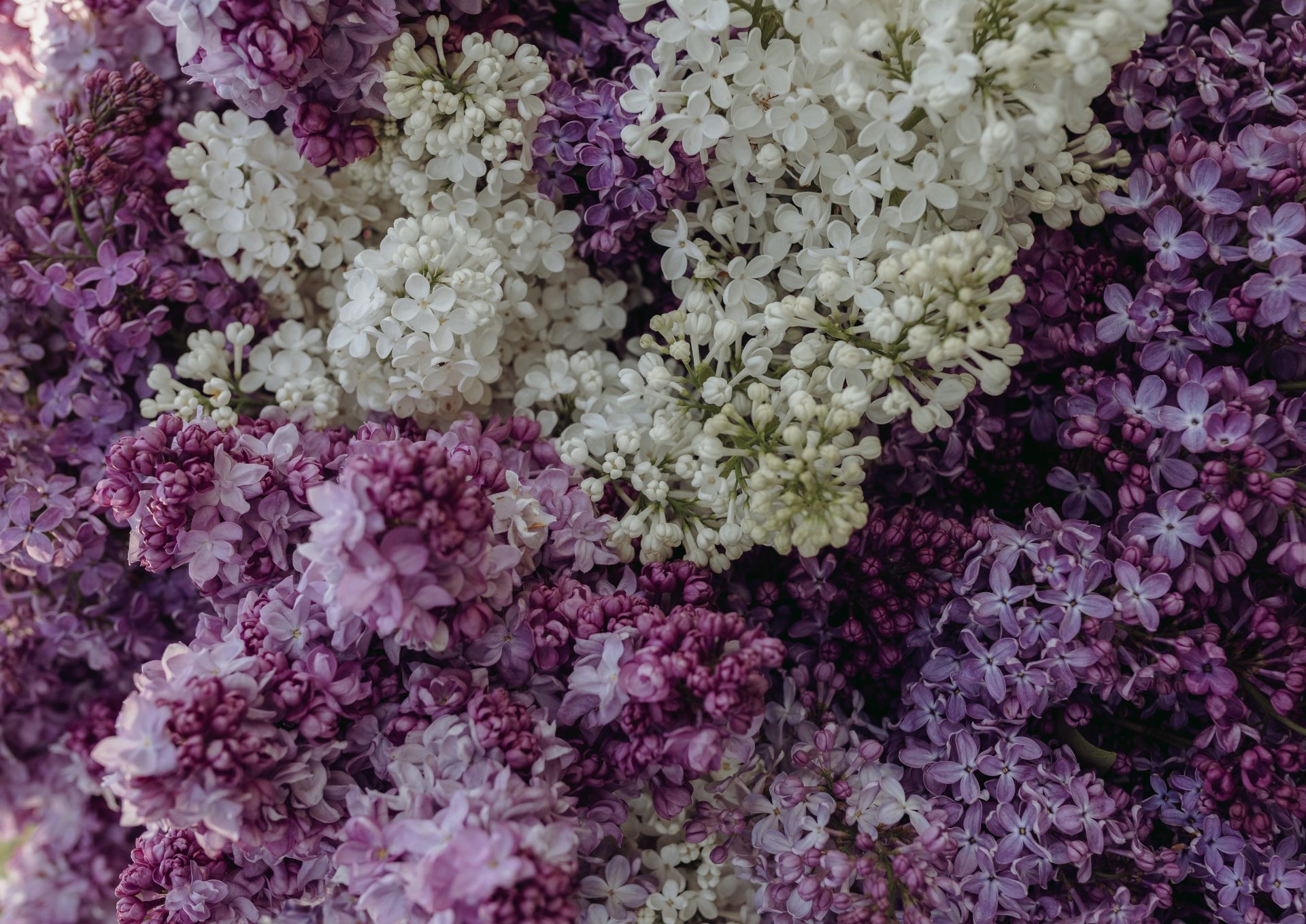
The final weeks of spring in Latvia are inseparable from the scent of lilacs. While these flowering shrubs decorate many streets and yards across the country, the town of Dobele is widely known as their true capital. It is here that the Pēteris Upītis’ Garden and Museum at the Institute of Horticulture welcomes visitors each May.

0/5 (0 Reviews)

© Krauze Vision

Spanning five hectares, the garden is home to one of Europe’s largest lilac collections, with more than 300 varieties and hybrids. The collection was started in 1956 by the renowned gardener and plant breeder Pēteris Upītis (1896–1976).

Over the decades, it has been enriched by varieties created by breeders such as Laimonis Kārkliņš, Sarmīte Strautiņa, and several internationally recognized horticulturists, while the adjacent museum tells the story of Upītis’ life and his lasting contribution to Latvian horticulture.

0/5 (0 Reviews)

© Krauze Vision

© Krauze Vision

© Krauze Vision

The garden’s mission is to continue Upītis’ work while introducing visitors to the remarkable diversity of lilacs. When the shrubs reach full bloom in late May, the garden’s pathways are covered by soft lilac clouds, and the air fills with their unmistakable perfume. A special highlight of the season is the annual classical music concert. It is no surprise that this has become one of Latvia’s most beloved spring destinations for both locals and international visitors.

In 2026, the Institute of Horticulture will celebrate 80 years alongside the 130th anniversary of Pēteris Upītis. To mark this special occasion, a series of events will take place during the final weeks of May. Visitors are encouraged to check the official website for event details and plan their visit during the blooming season.

0/5 (0 Reviews)
Comments (0)