Orienteering in Latvia

08.06.2026

Comment (0)

© Latvian Orienteering Federation / Mareks Gaļinovskis

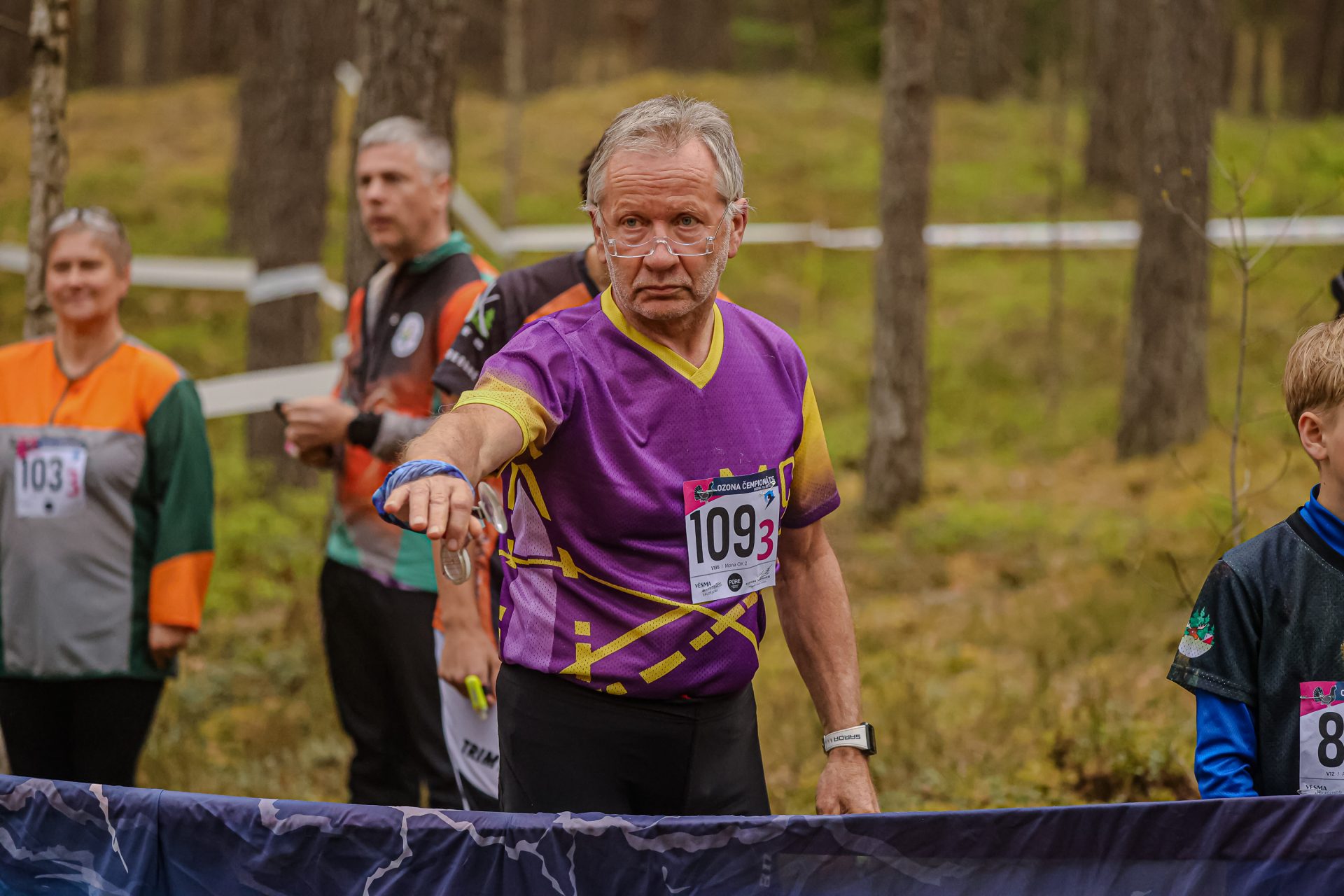
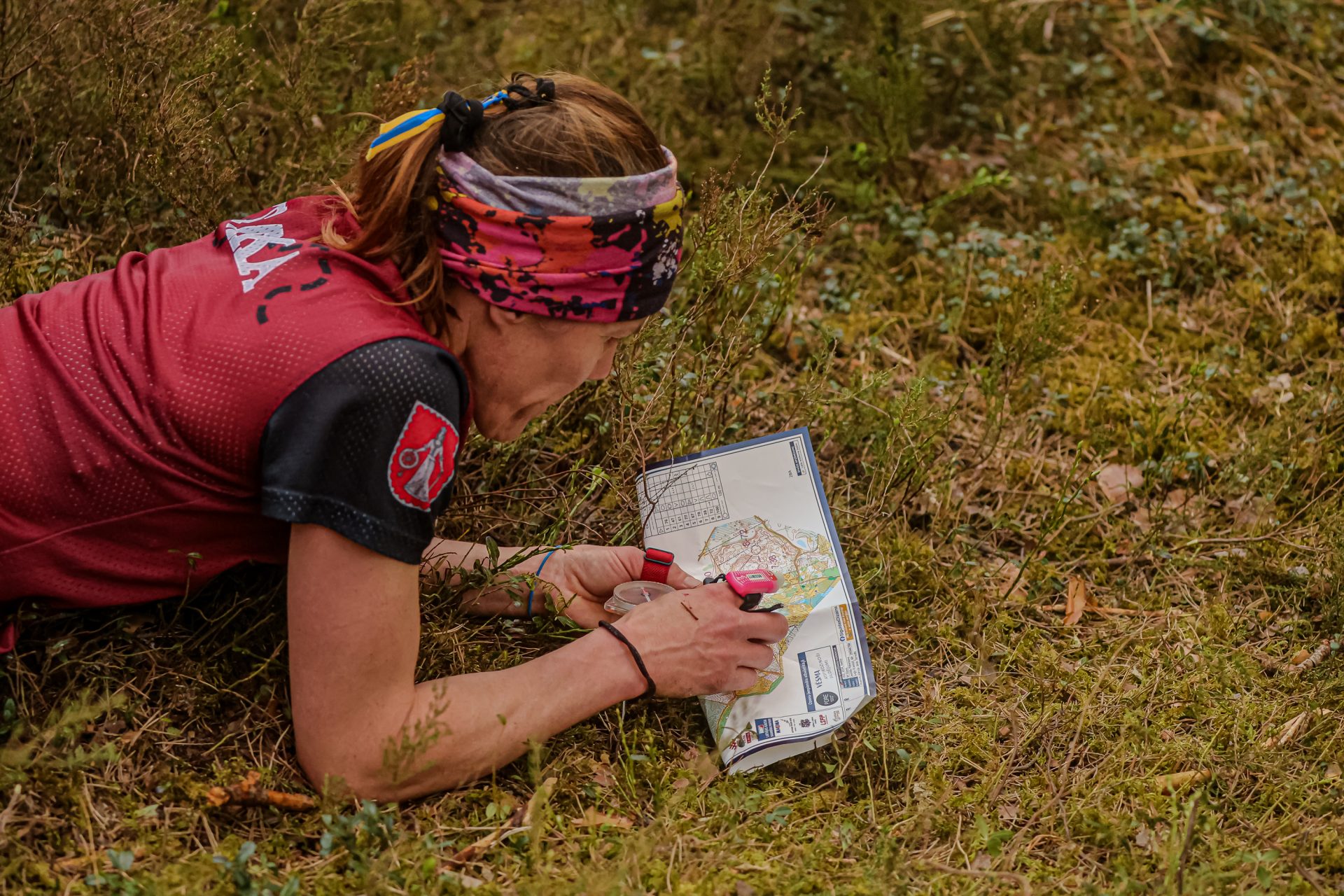
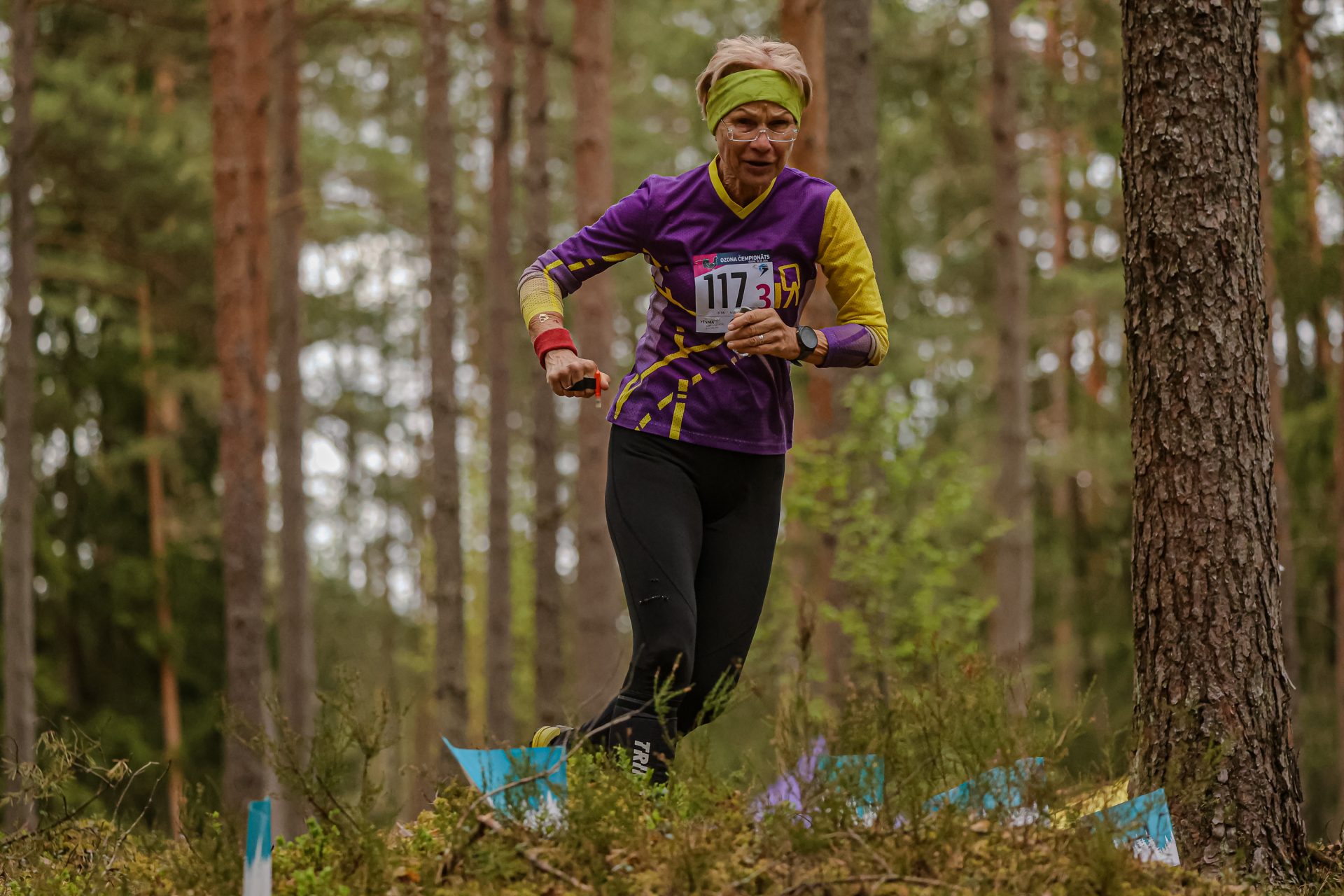
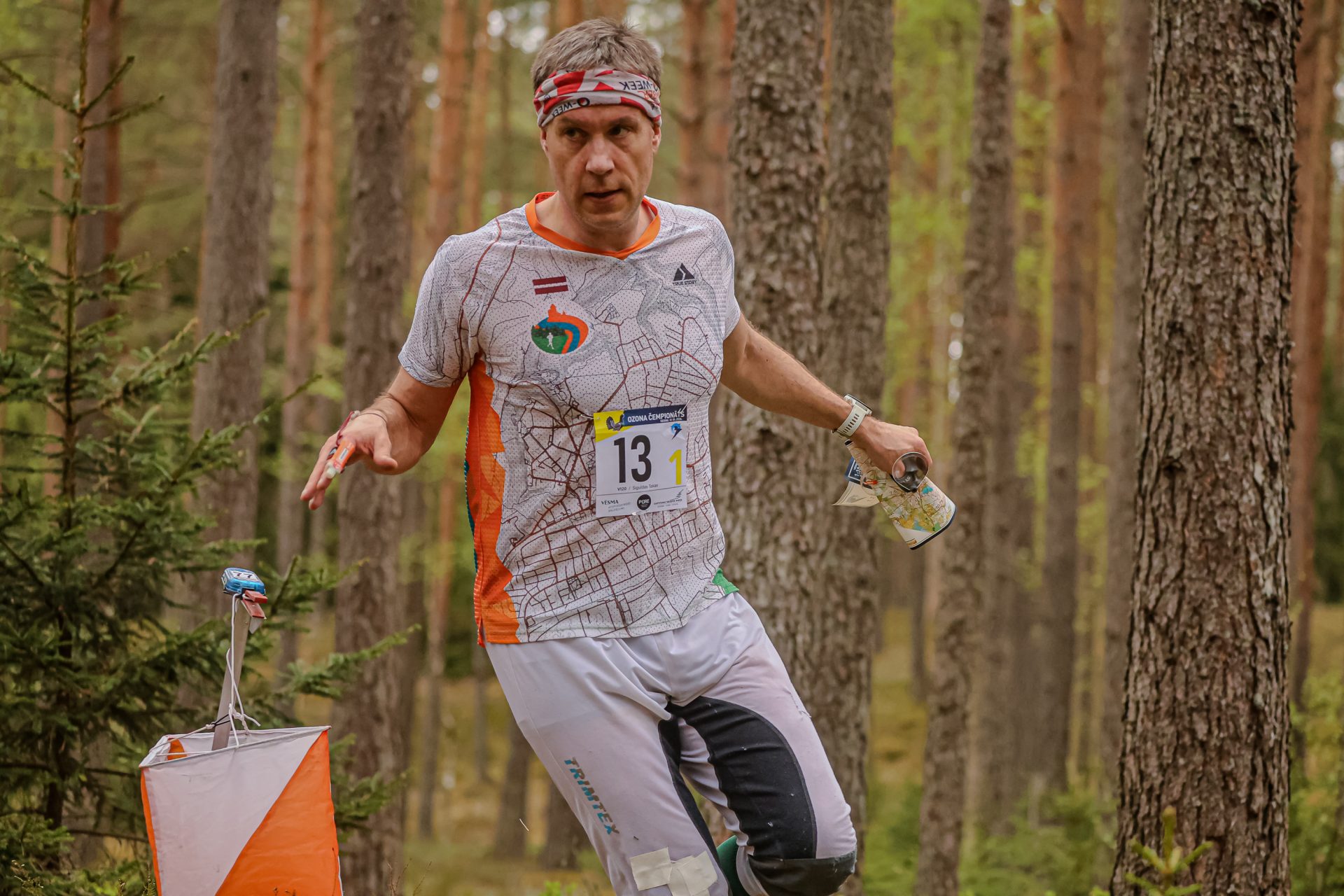
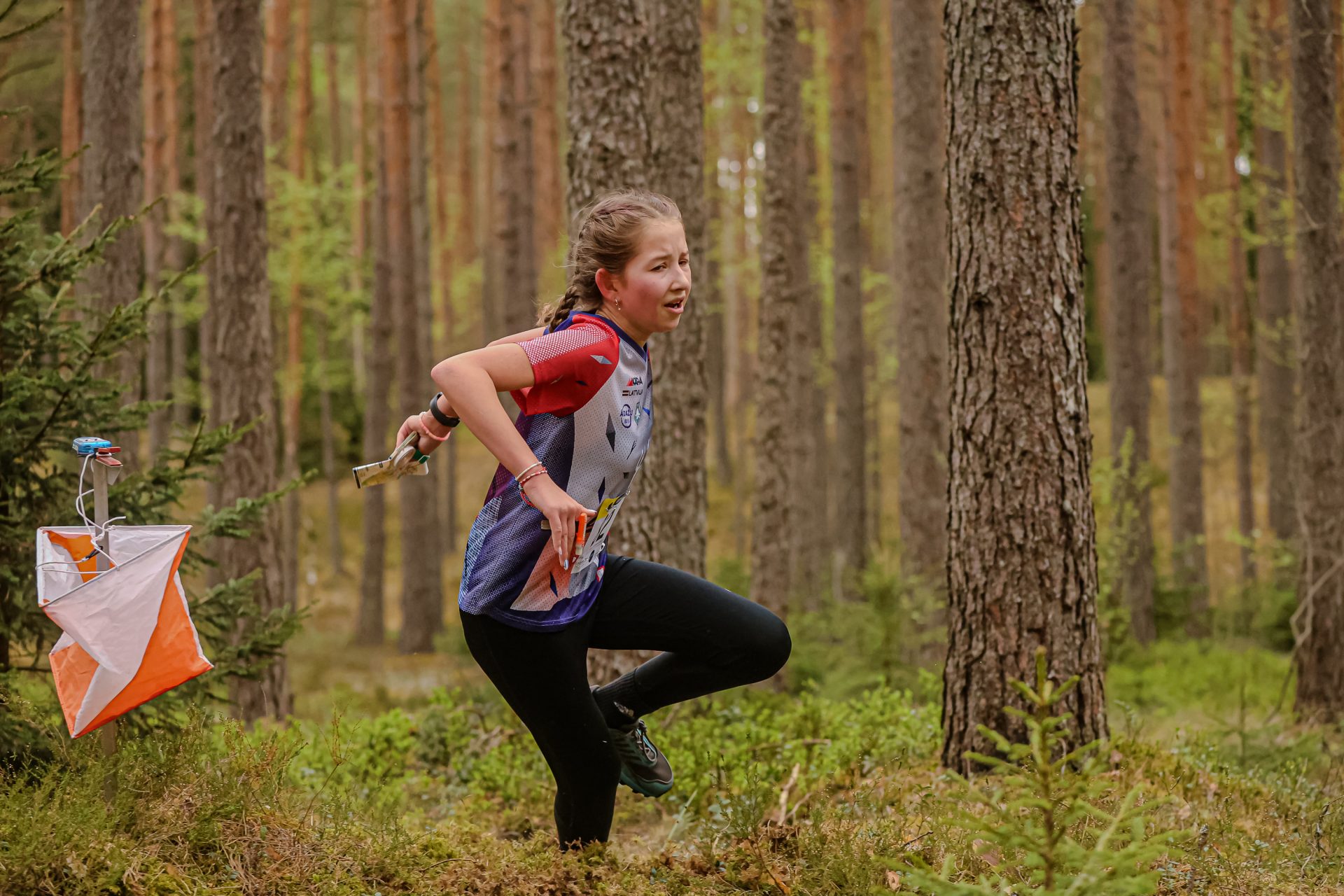
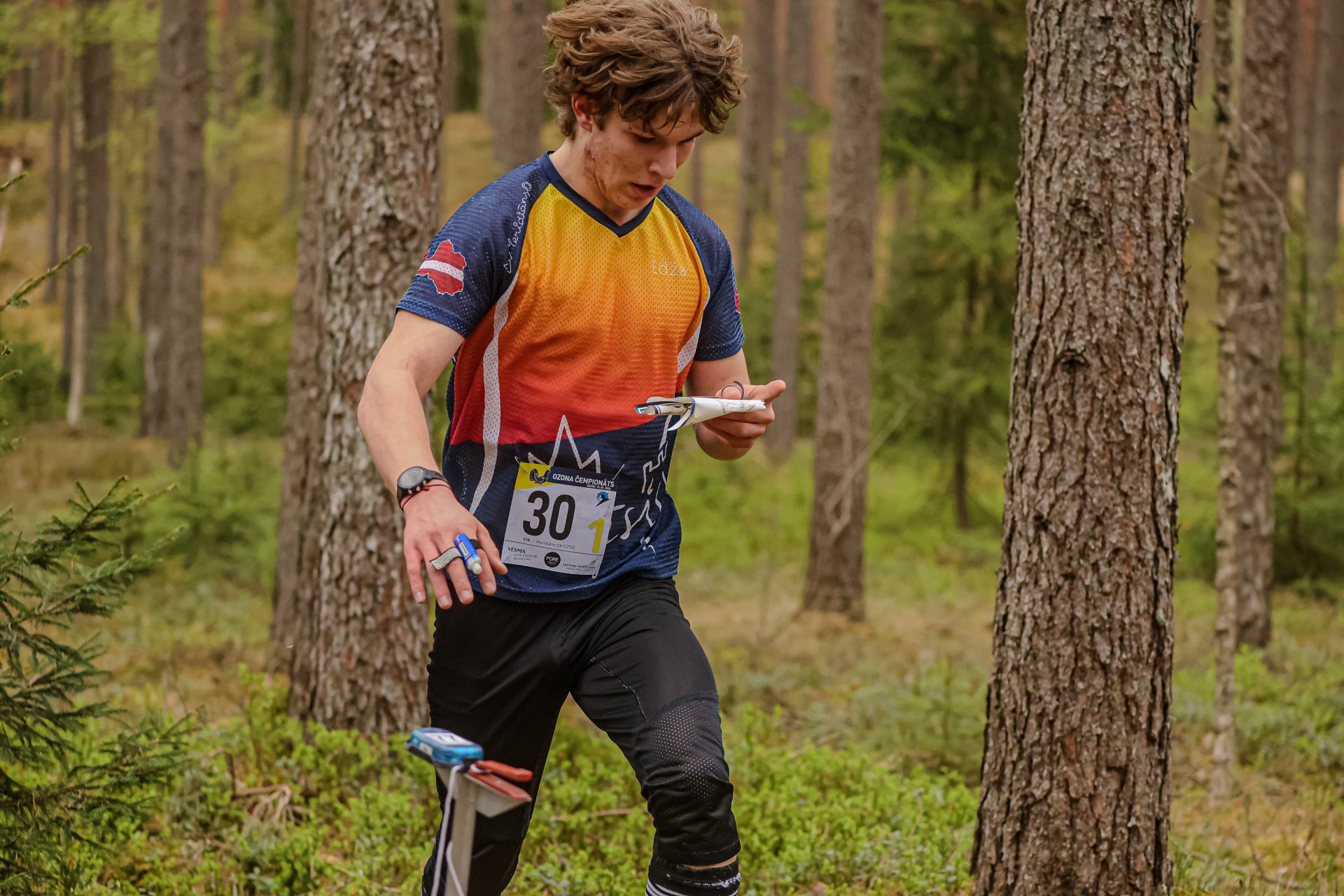
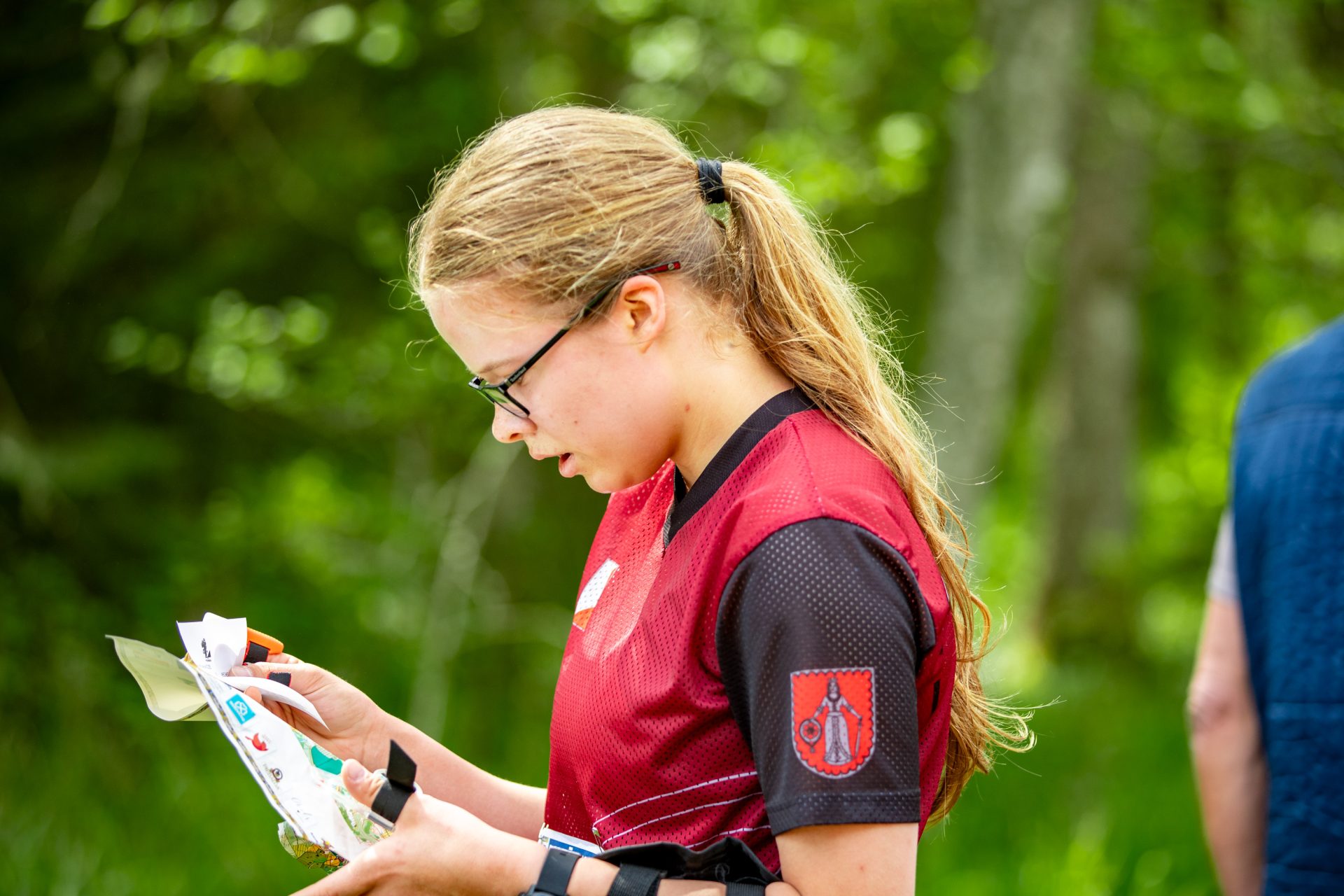
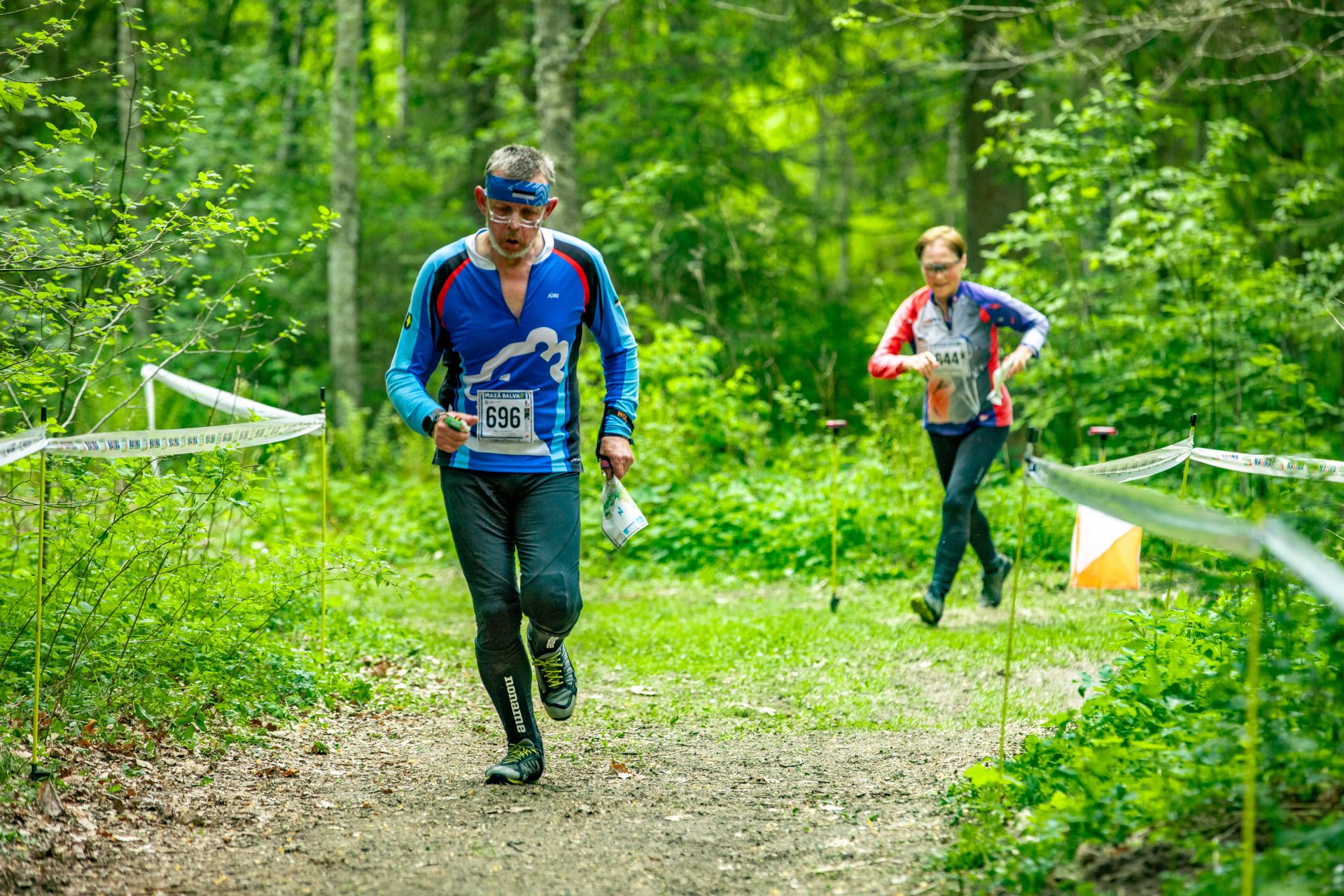
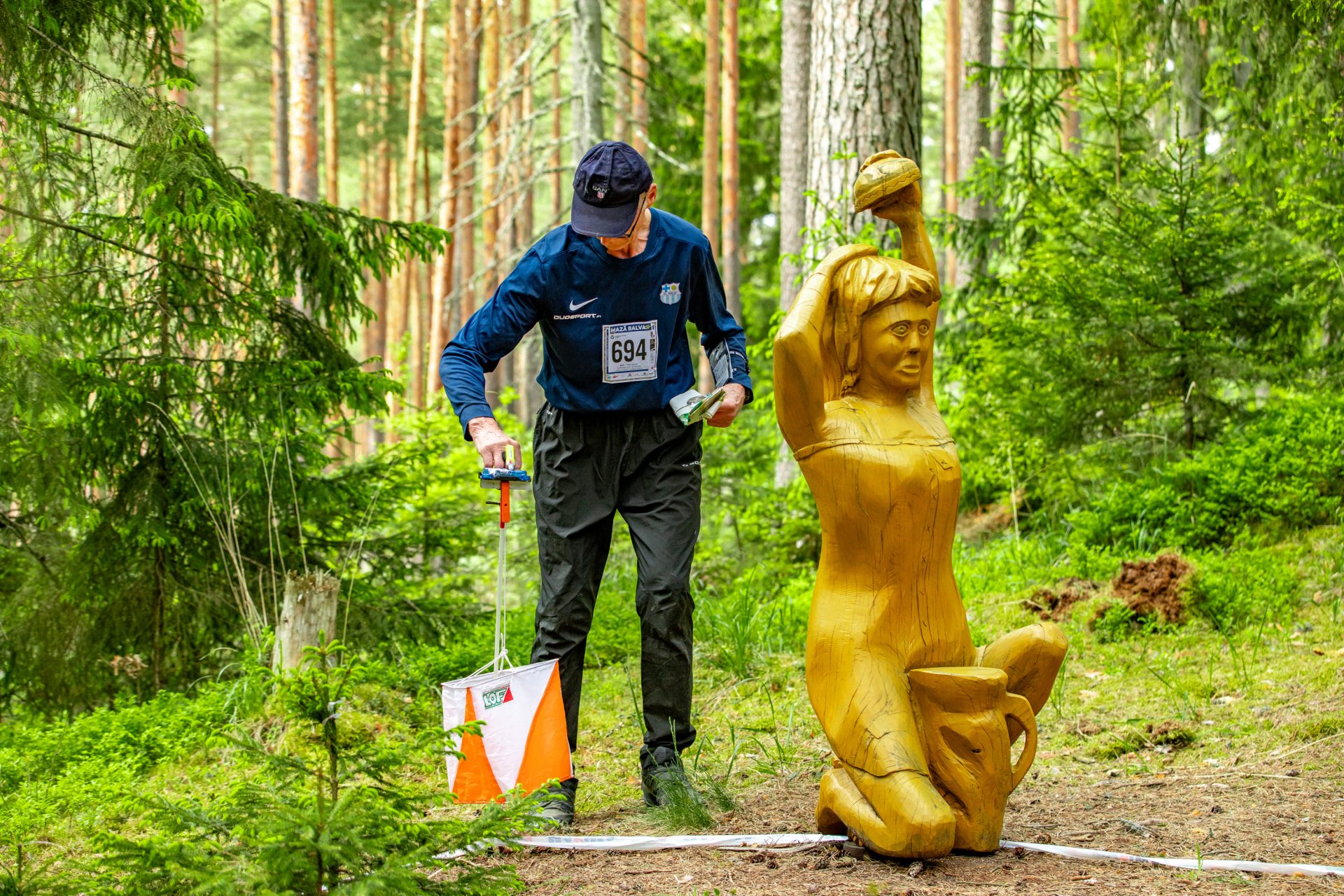
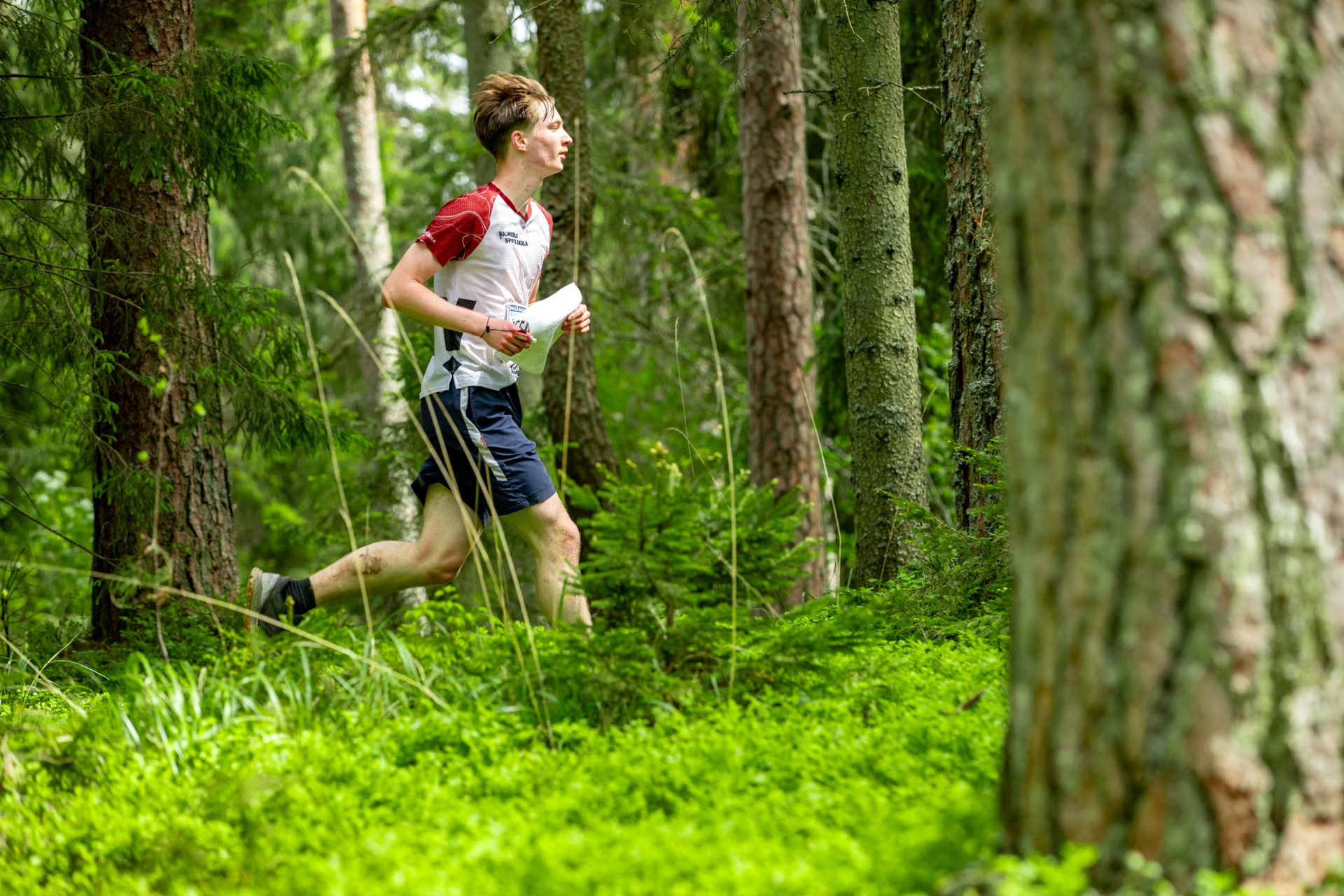
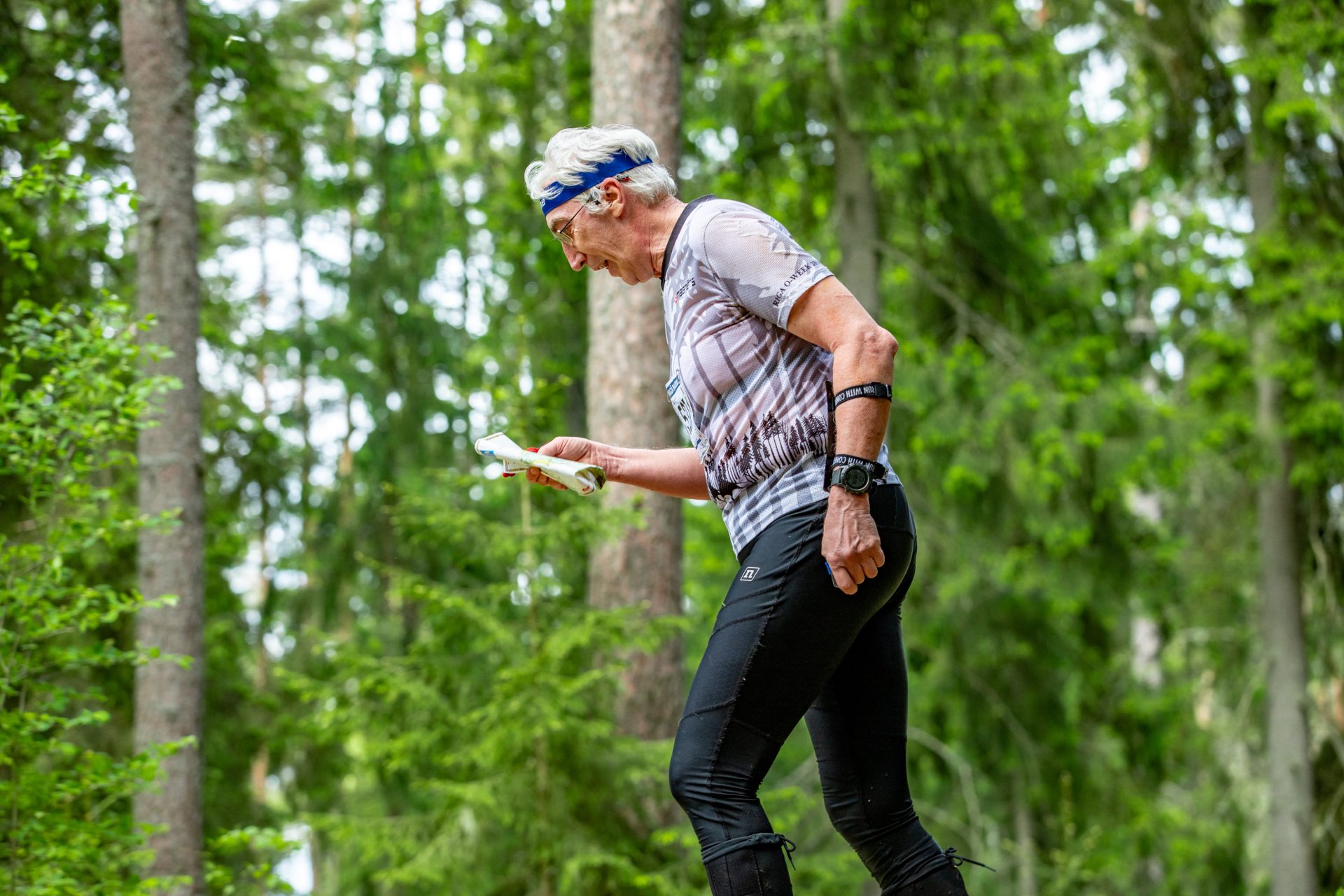
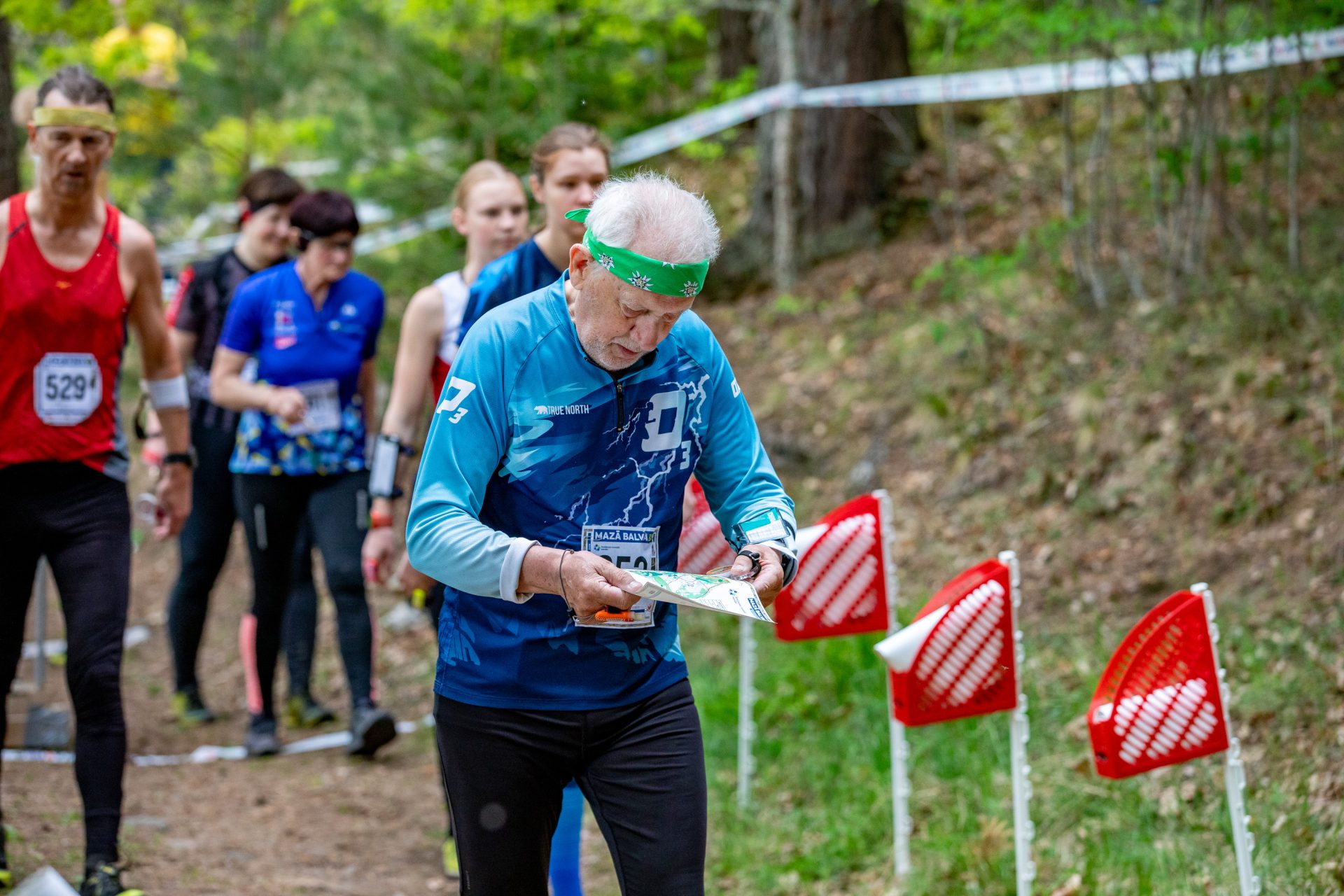
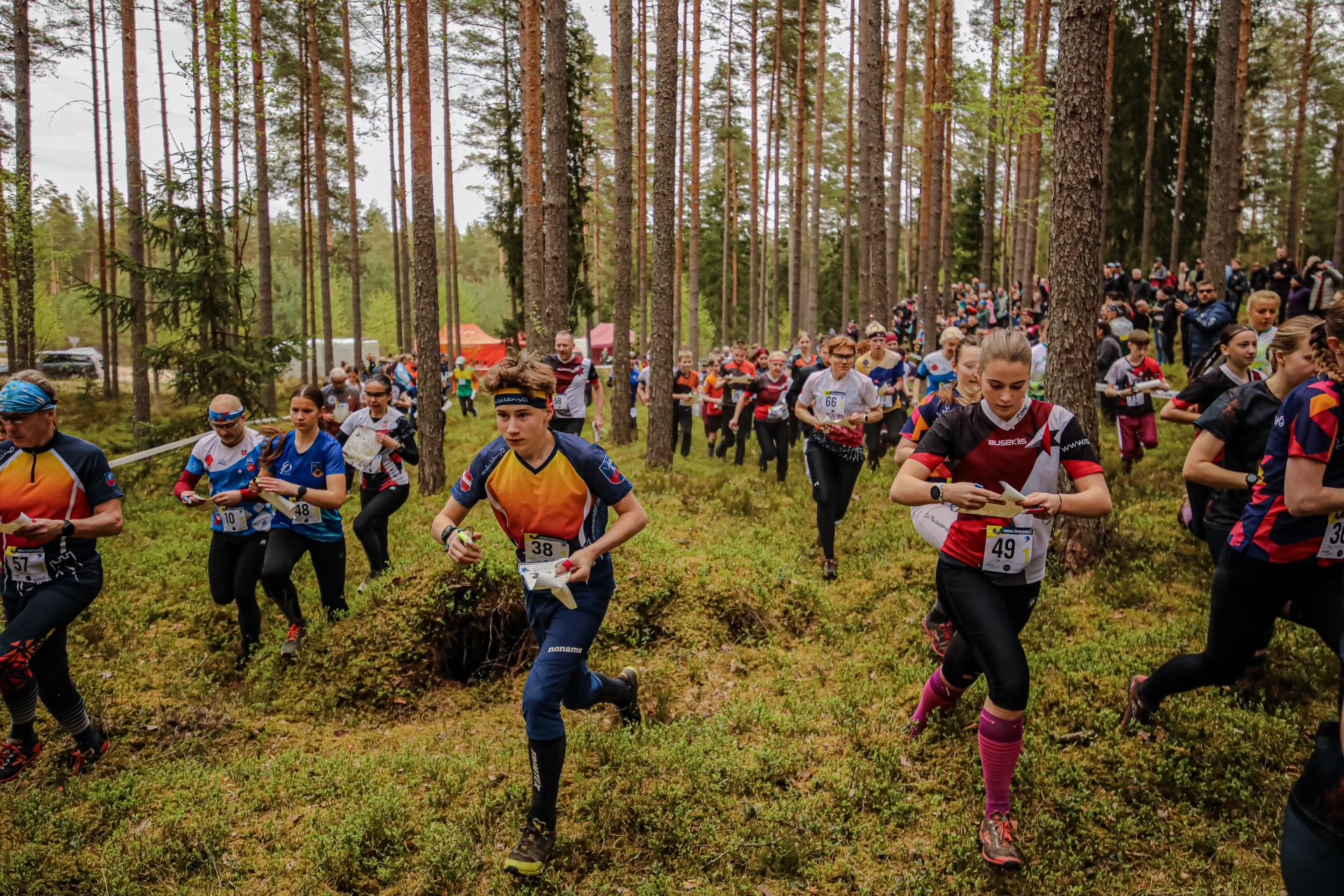
A compass, a map, and comfortable running gear — that is all you need to take part in an orienteering race. Combine that with trails along lakes, across fields, and through forests, and you are in for a mental and physical adventure over the next few hours.

It is indeed no surprise that orienteering has remained consistently popular among Latvians. The sport does not have particularly long traditions here, yet it strongly appeals to the Latvian character. Its accessibility and evolving formats continue to attract new participants across generations, while the landscape itself seems almost designed for the sport.
0/5 (0 Reviews)

Running in an Unknown Direction

The first orienteering race in Latvia was organized in 1936. Back then, only a few people understood the idea; competitions themselves were referred to as “running in an unknown direction”, and participants often got lost and struggled to find checkpoints.

This navigation sport, however, attracted more and more enthusiasts. The appeal was clear—there was no need for a track or expensive equipment. Training sessions and races took place in forests, along rivers, and across sandy hills. Sweaty gym odour was replaced by fresh air, and instead of endless laps around a stadium, runners could explore unfamiliar terrain and enjoy the changing Latvian landscape.

Despite growing interest, modern Latvian orienteering began to take shape only in the 1960s, with the first structured races, after-school clubs, and the establishment of the Latvian Orienteering Federation. Running in an unknown direction was now known as orienteering. It took another 20+ years to launch the first local club, Kāpa, while the 2010s saw the rise of the first Latvian and Baltic World champion in orienteering, Edgars Bertuks.

0/5 (0 Reviews)

Entry Point in Sports and Culture

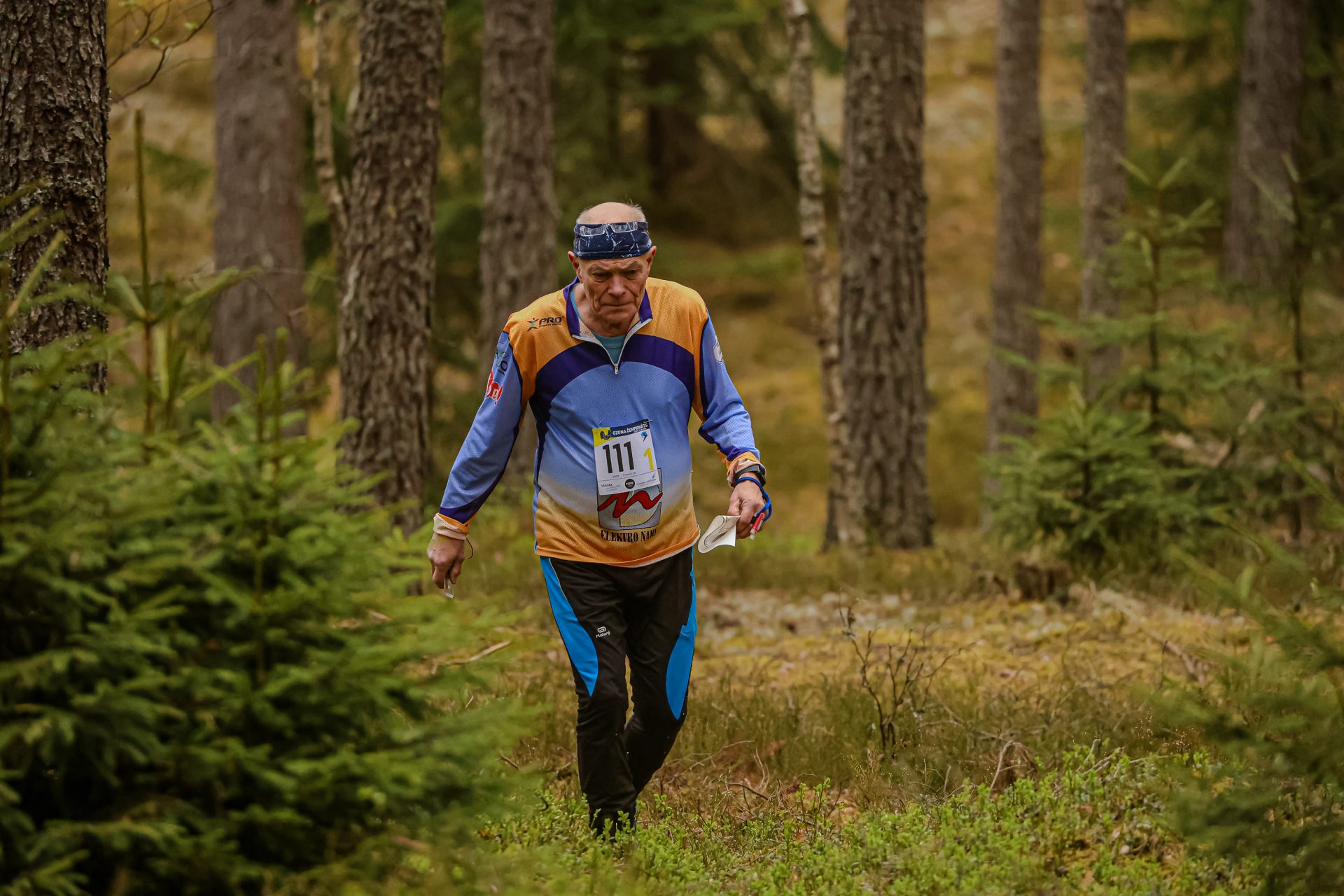
Accessibility in all its forms is one of the reasons orienteering has consistently remained among the most popular individual sports in Latvia. You do not need expensive equipment, years of training, or even a club membership to get started. If you are into cross-country or trail running, there is a good chance you will enjoy orienteering as well, and Latvia is a great place to begin.

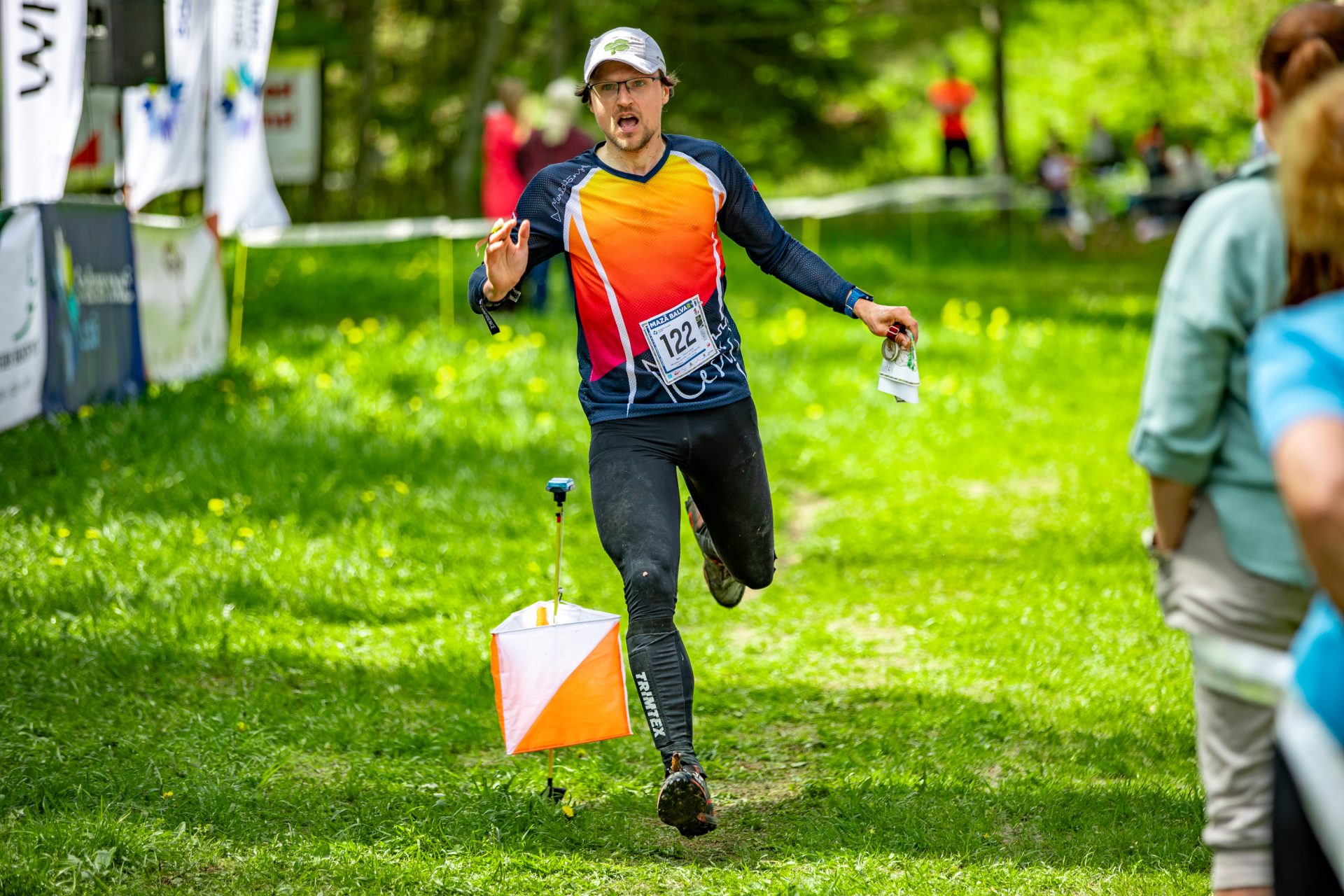
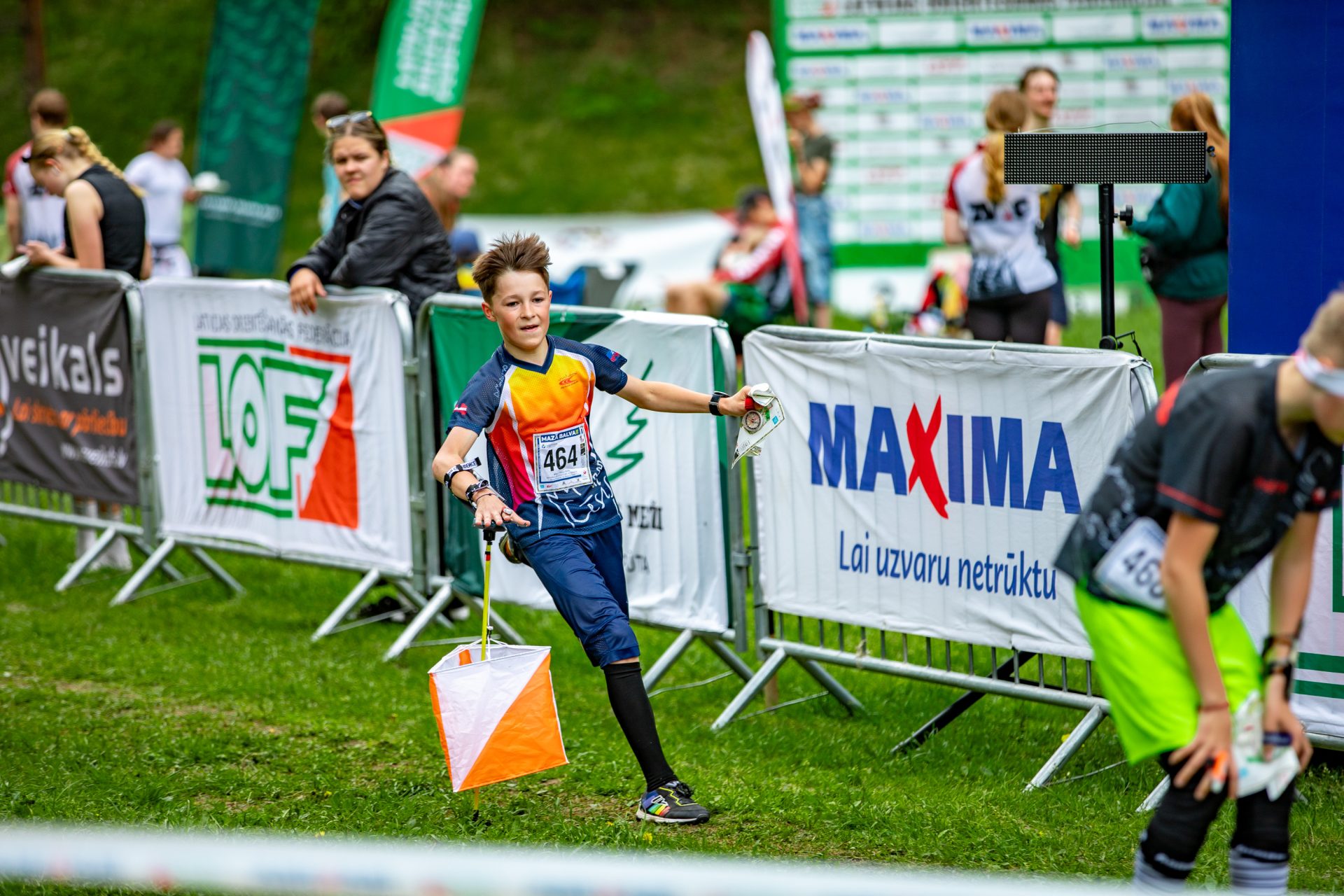
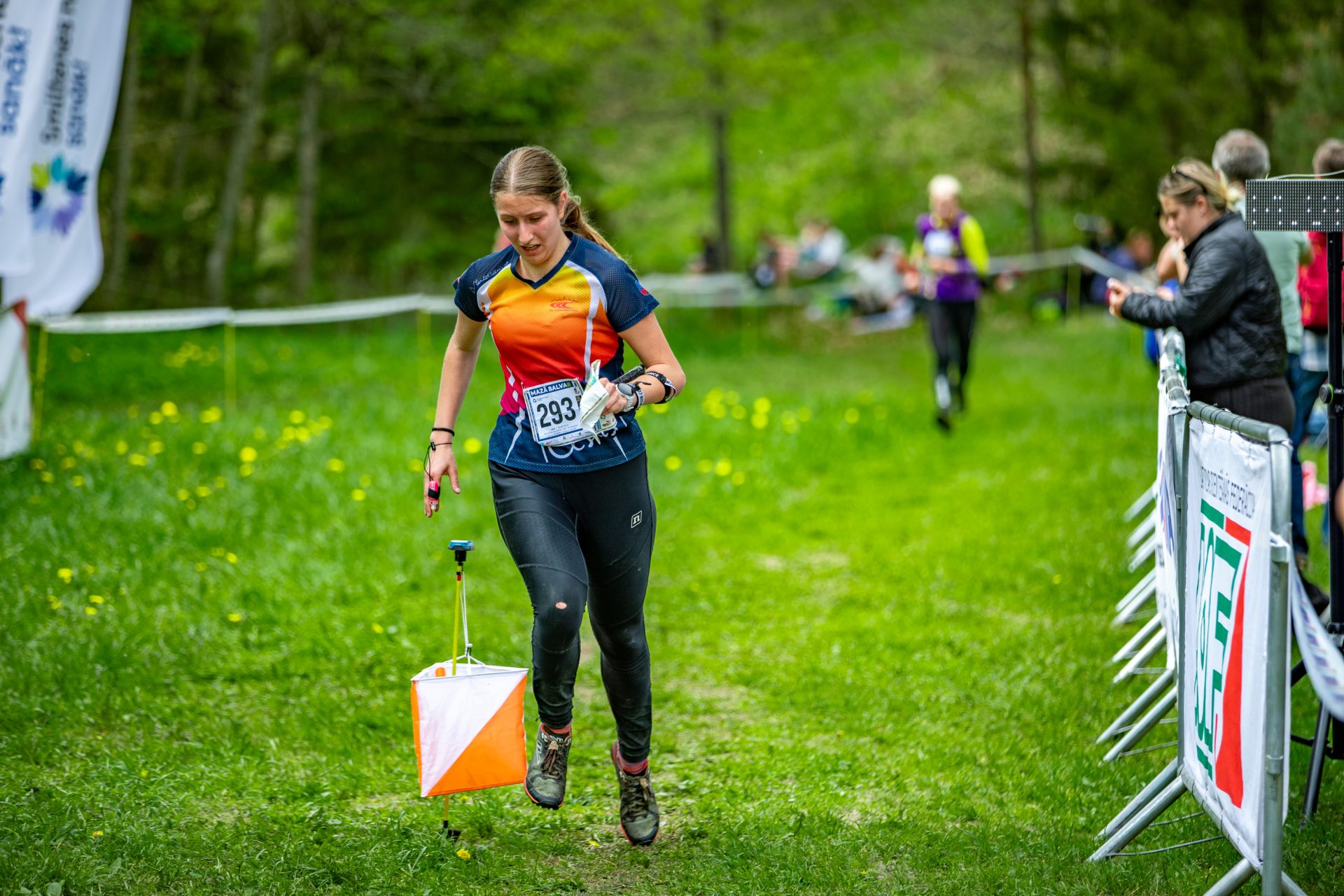
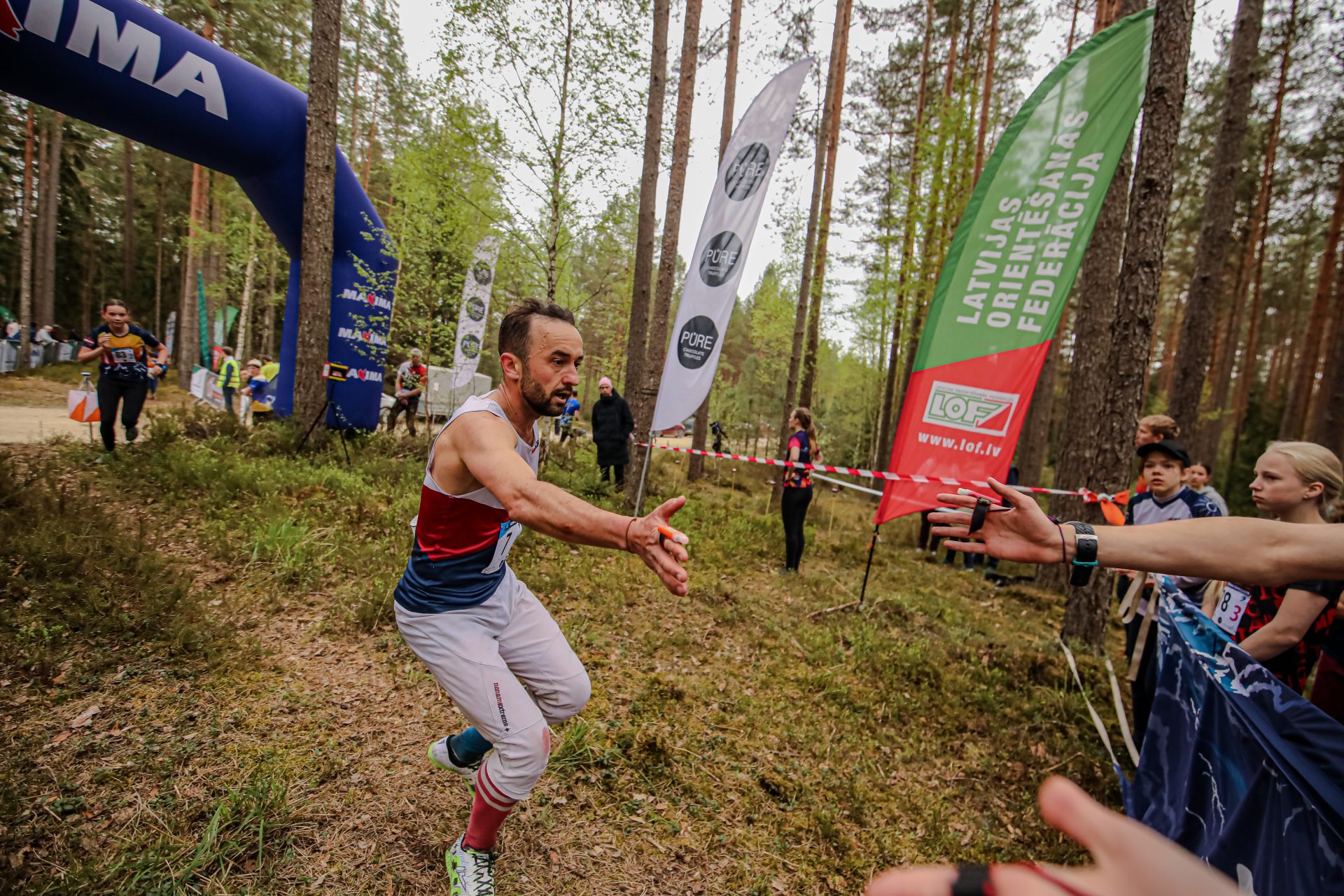
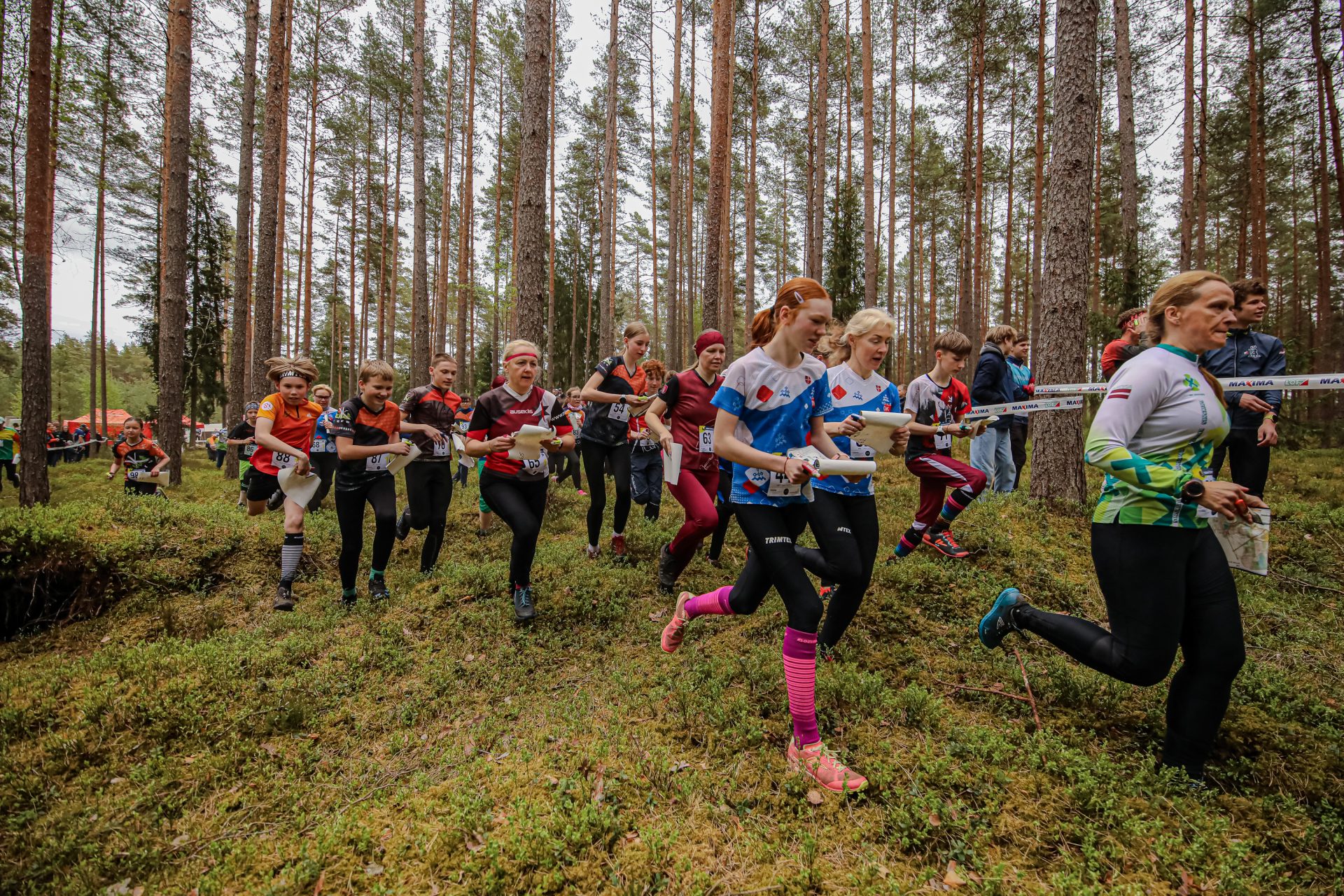
More than 20 clubs across the country organize local race series on weekday evenings from spring to autumn. Magnēts in Riga and the Vidzeme region, along with Meridiāns in Cēsis Municipality, are among the most popular competitions. Races welcome complete beginners and offer shorter, easier distances suitable for families and children. For many participants, it is their first sports competition and a refreshing few-hour escape from everyday worries.

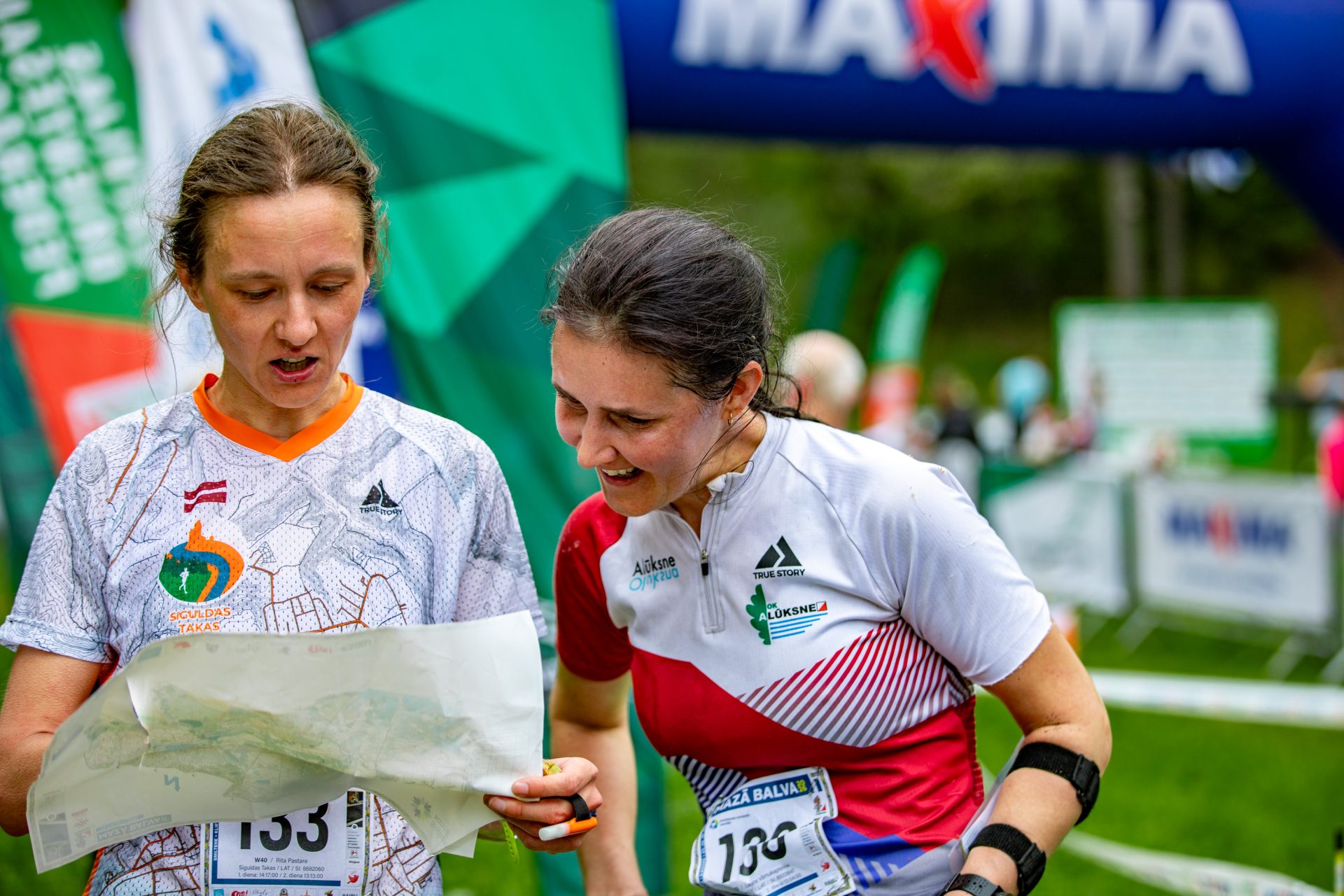
Orienteering is also a great way for foreigners to make friends with the locals while staying active. Orienteering clubs in all regions encourage everyone to participate in their local events. As Ildze Straume, vice-president of the Latvian Orienteering Federation, emphasizes, the Latvian orienteering community is open and friendly, so there is no reason to wait  — simply find a race near you in the official calendar and join in.

0/5 (0 Reviews)

01:46

© Orientēšanās Latvijā

02:04

© Orientēšanās Latvijā

Beyond the Forest

Forest races are at the heart of orienteering in Latvia; however, in recent years, new formats have emerged that attract entirely new audiences.

0/5 (0 Reviews)

Rogaining

Rogaining has become particularly popular thanks to its more relaxed format. There is no particular sequence for reaching checkpoints; racing is usually done in teams, and cyclists are also welcome. Competitions can last anywhere between two and 24 hours.

Leģendu rogainings (Legend Rogaining), the largest team and solo rogaining competition series in the Baltic States, organizes shorter and longer races throughout the year, while the annual Latvia Orienteering Night in September, with its 6000 participants, is probably the biggest rogaining event in the world.

Indoor orienteering

Indoor orienteering is another alternative format that does not depend on weather conditions and is even more accessible to beginners due to the significantly shorter distances. The season typically runs from late fall to early spring, allowing orienteering enthusiasts to refine their navigation skills and maintain their fitness throughout the winter.

City orienteering and auto-photo orienteering

Finally, city orienteering and auto-photo orienteering have introduced navigation sports to even greater masses. Besides the excitement of finding checkpoints, these games (rather than races) allow participants to explore their hometowns or other parts of Latvia from a completely different perspective.

In this sense, Latvian startup Roadgames is a real trailblazer. The company has shown that orienteering can be made accessible and entertaining for almost anyone. Roadgames is now a popular choice for team-building events, birthday parties, and other events.

With so many traditional and alternative races taking place almost every week and new formats evolving, it is safe to say that Latvia has grown into one of Europe’s most visible and active orienteering nations.

0/5 (0 Reviews)
Comments (0)