Latvian Films at the Cannes Film Festival

17.06.2026

Comment (0)

© Agnese Zeltiņa

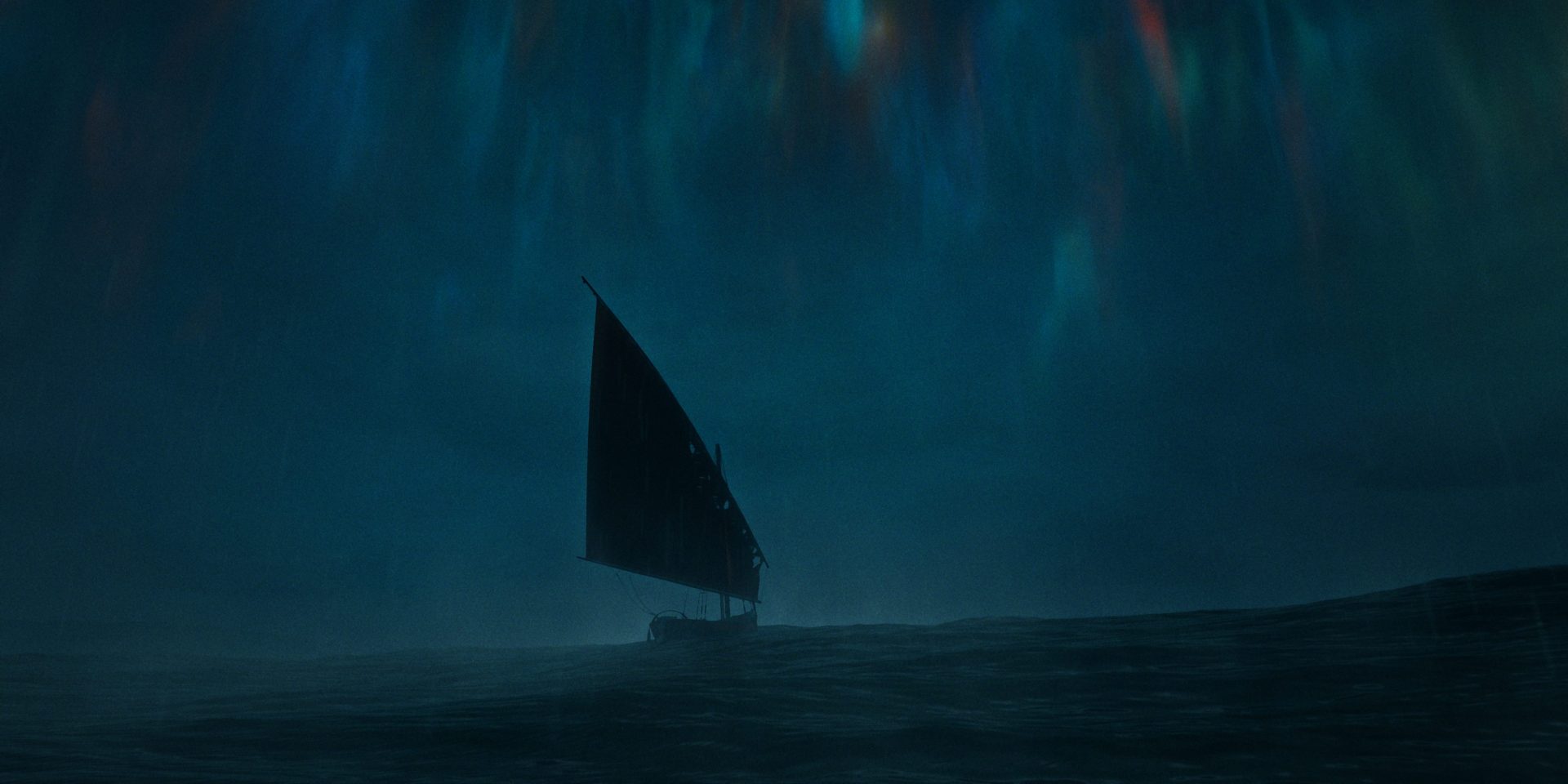
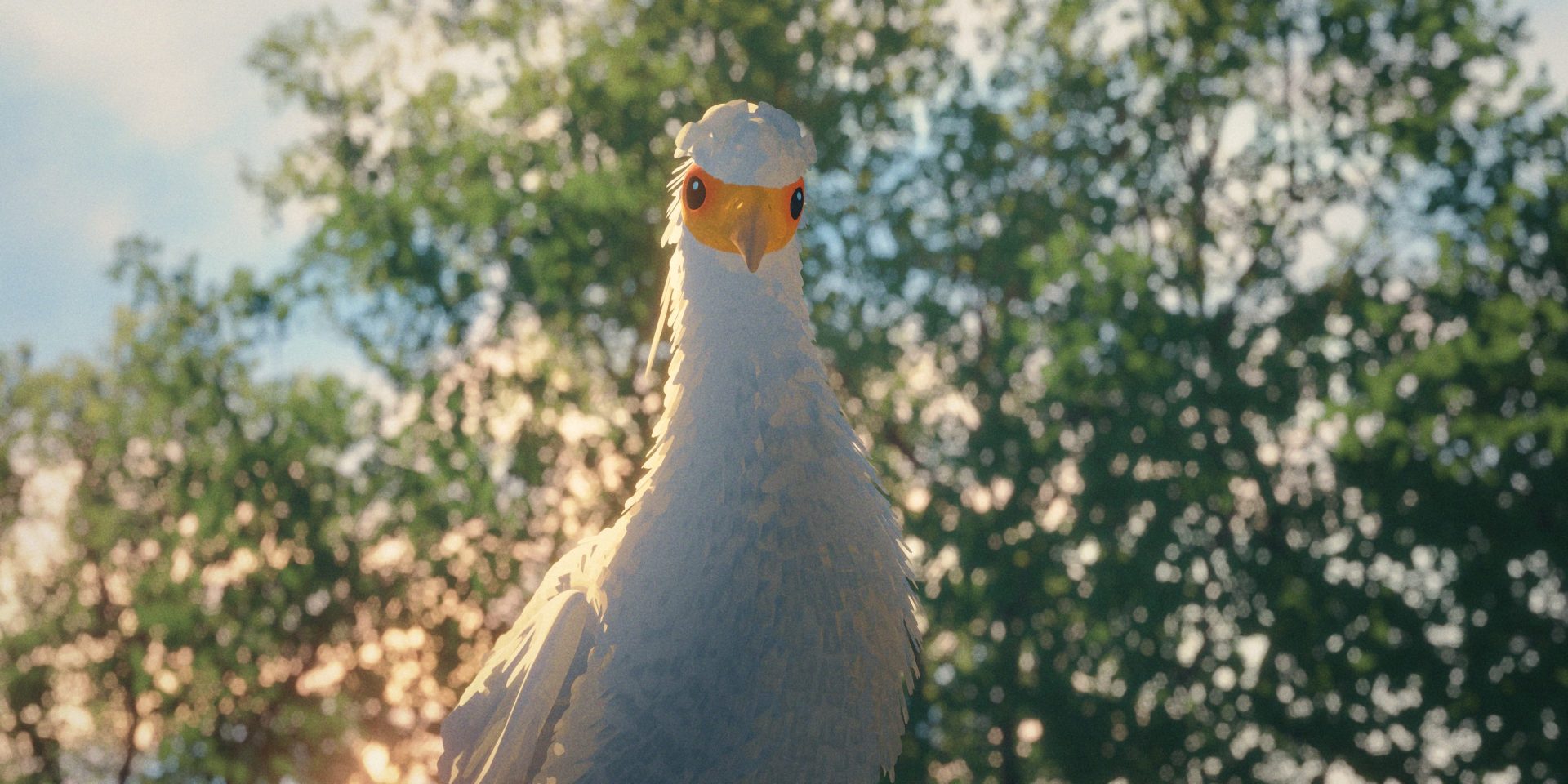
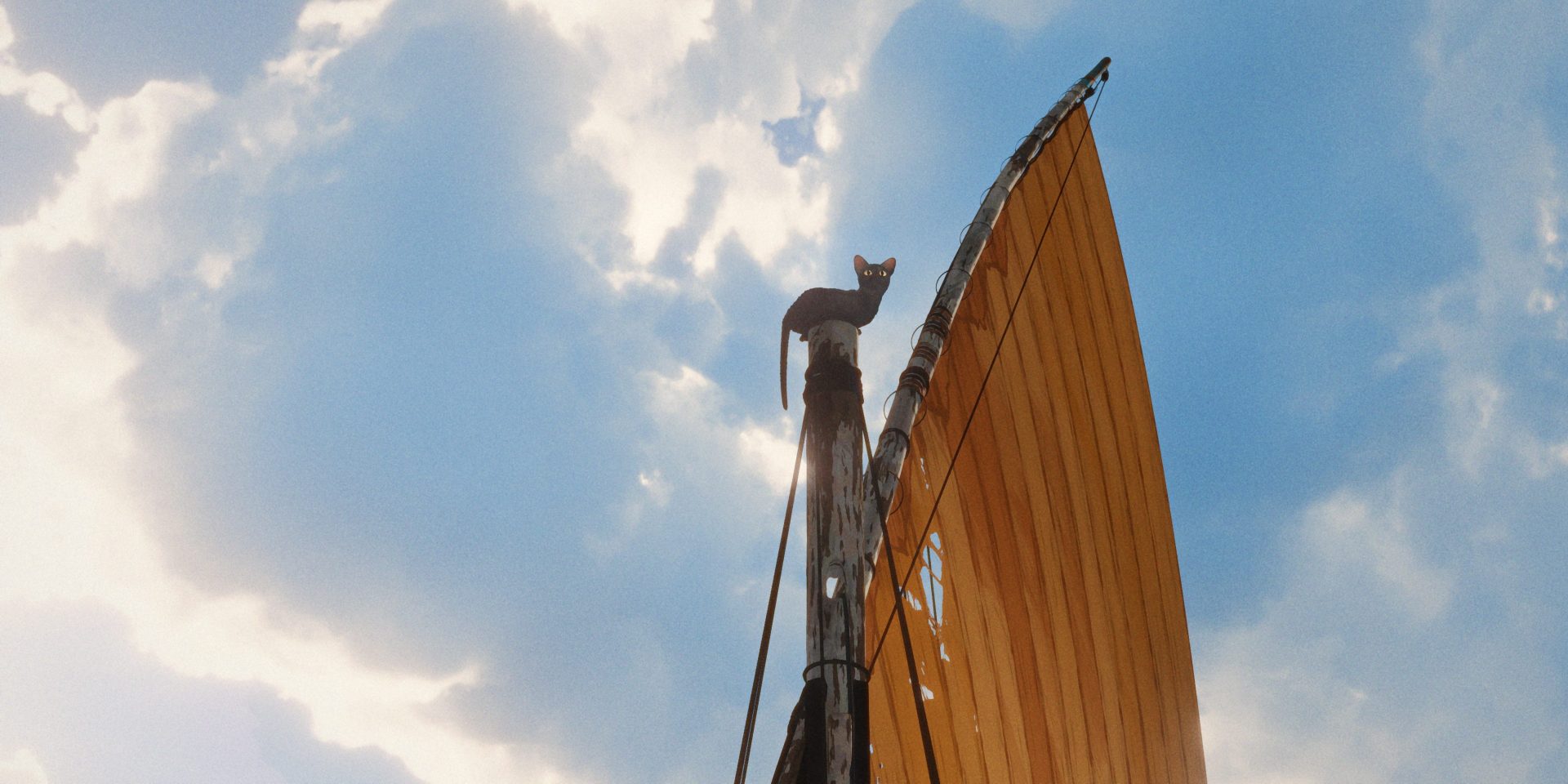
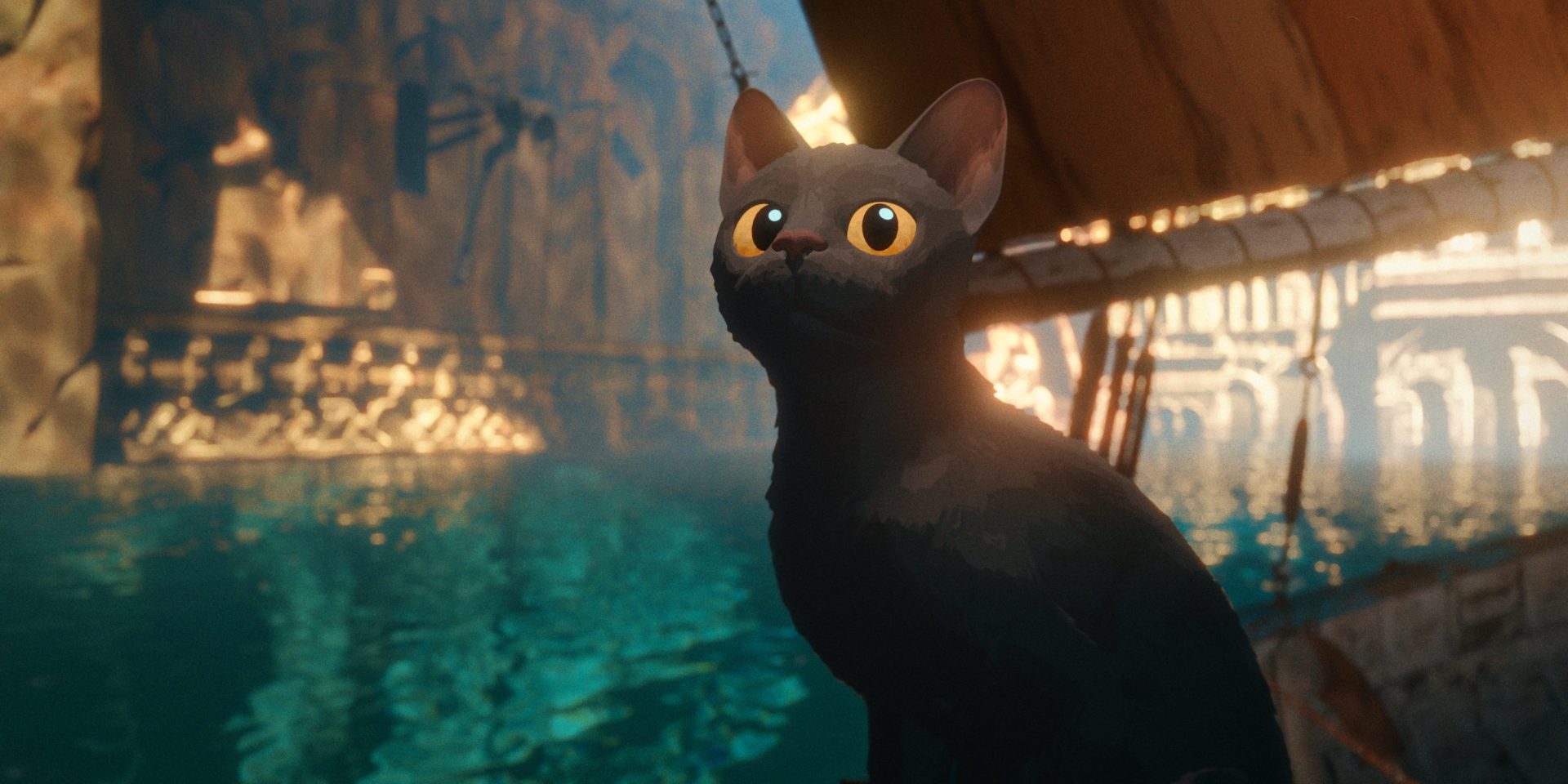
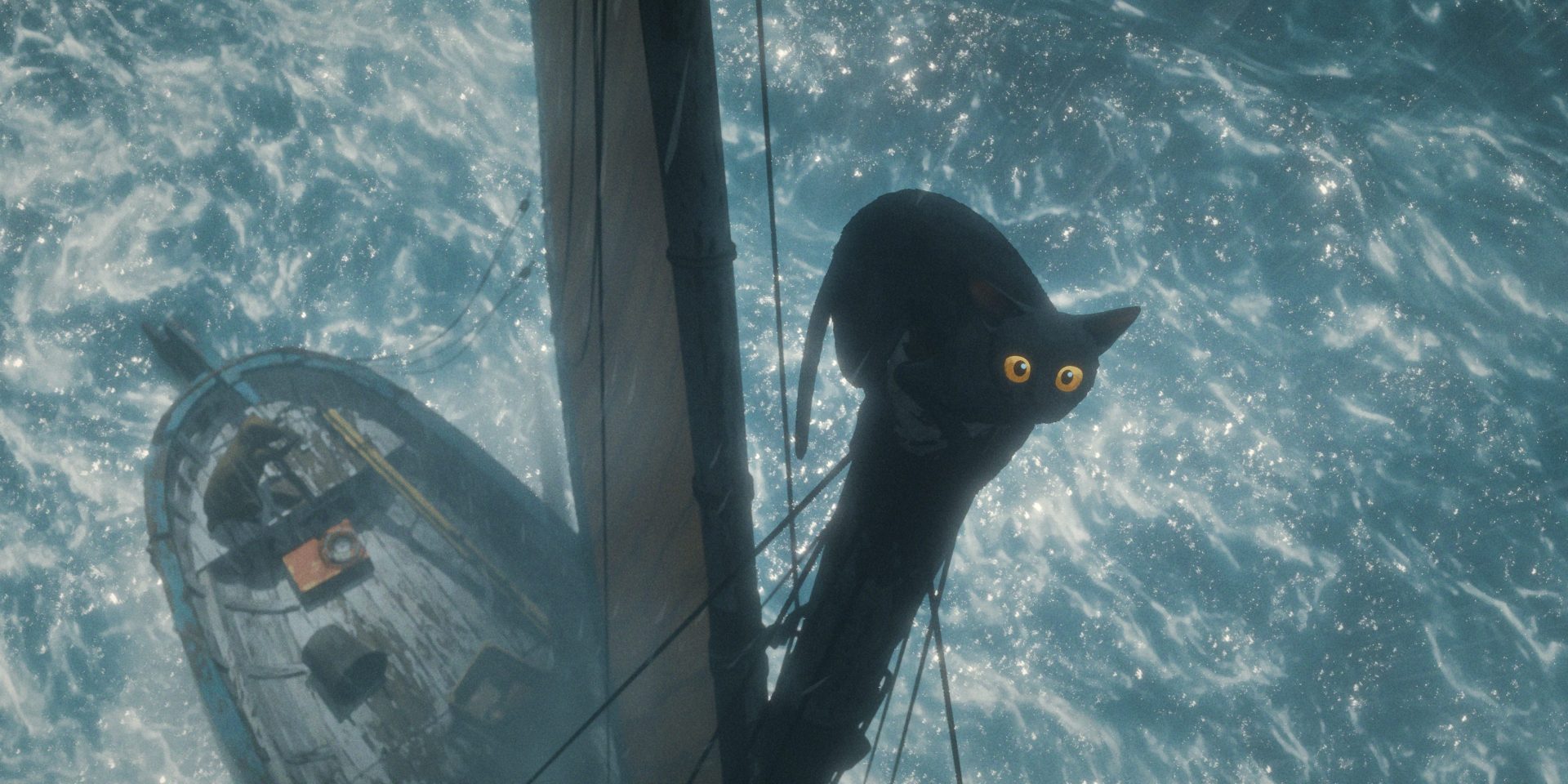
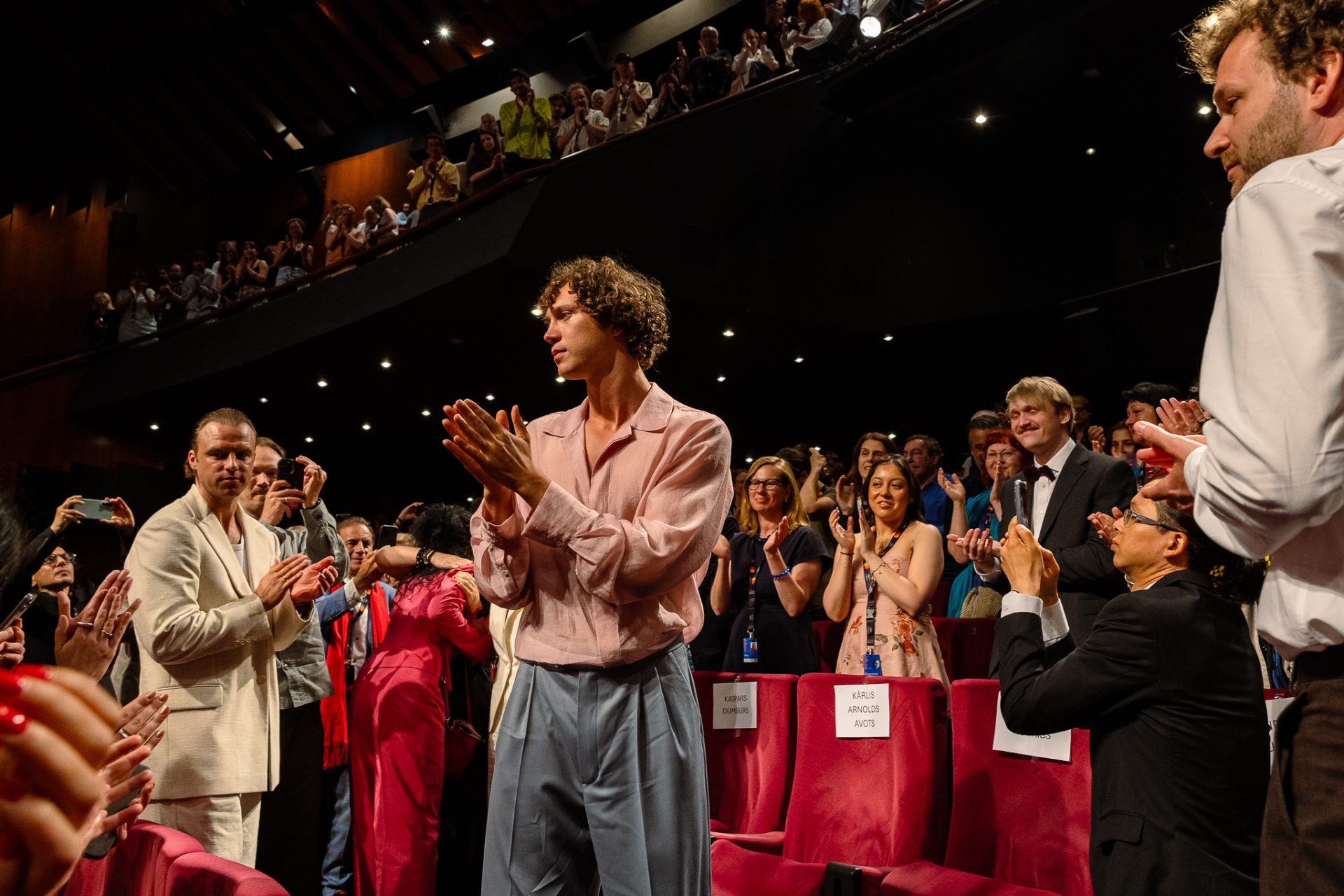
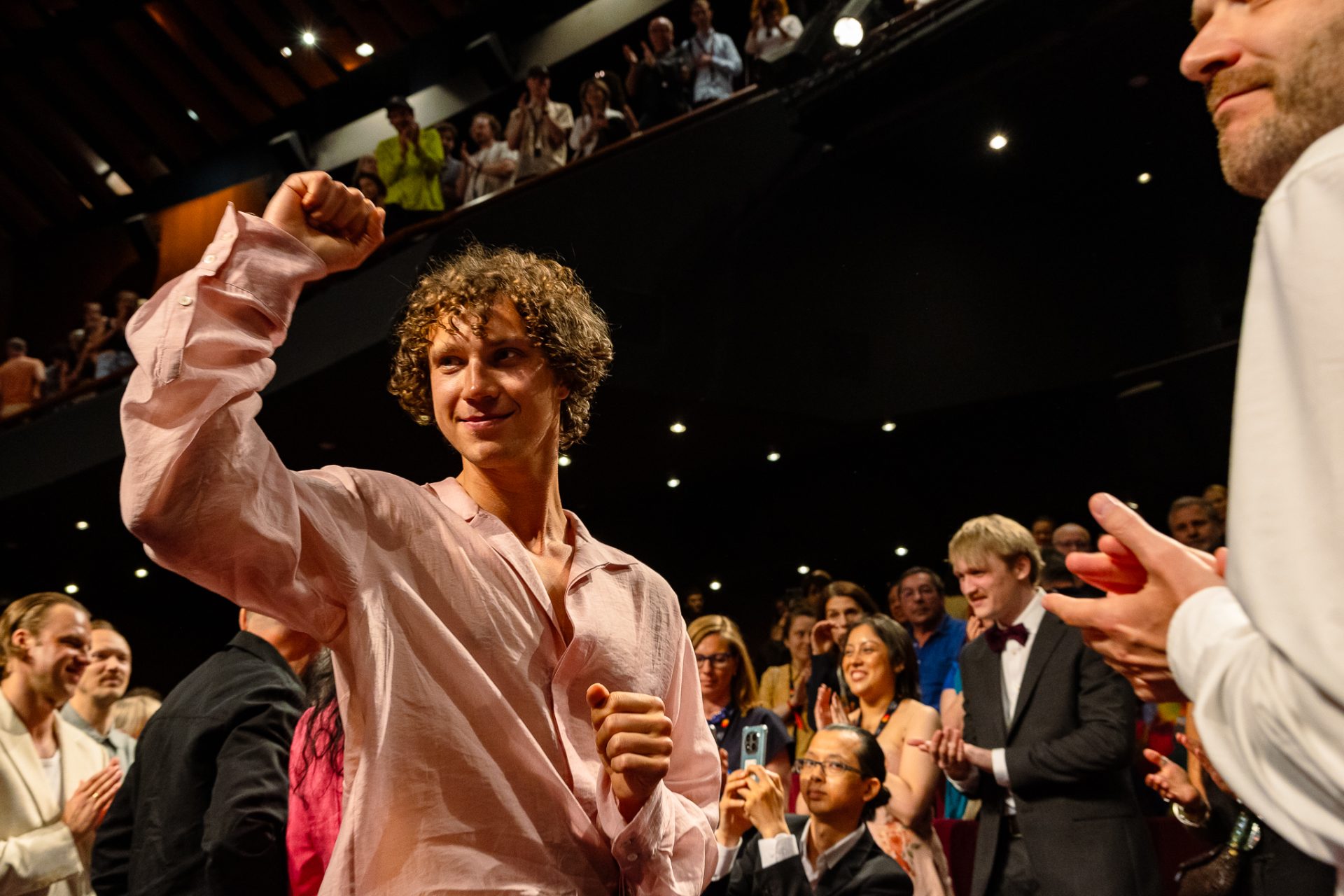
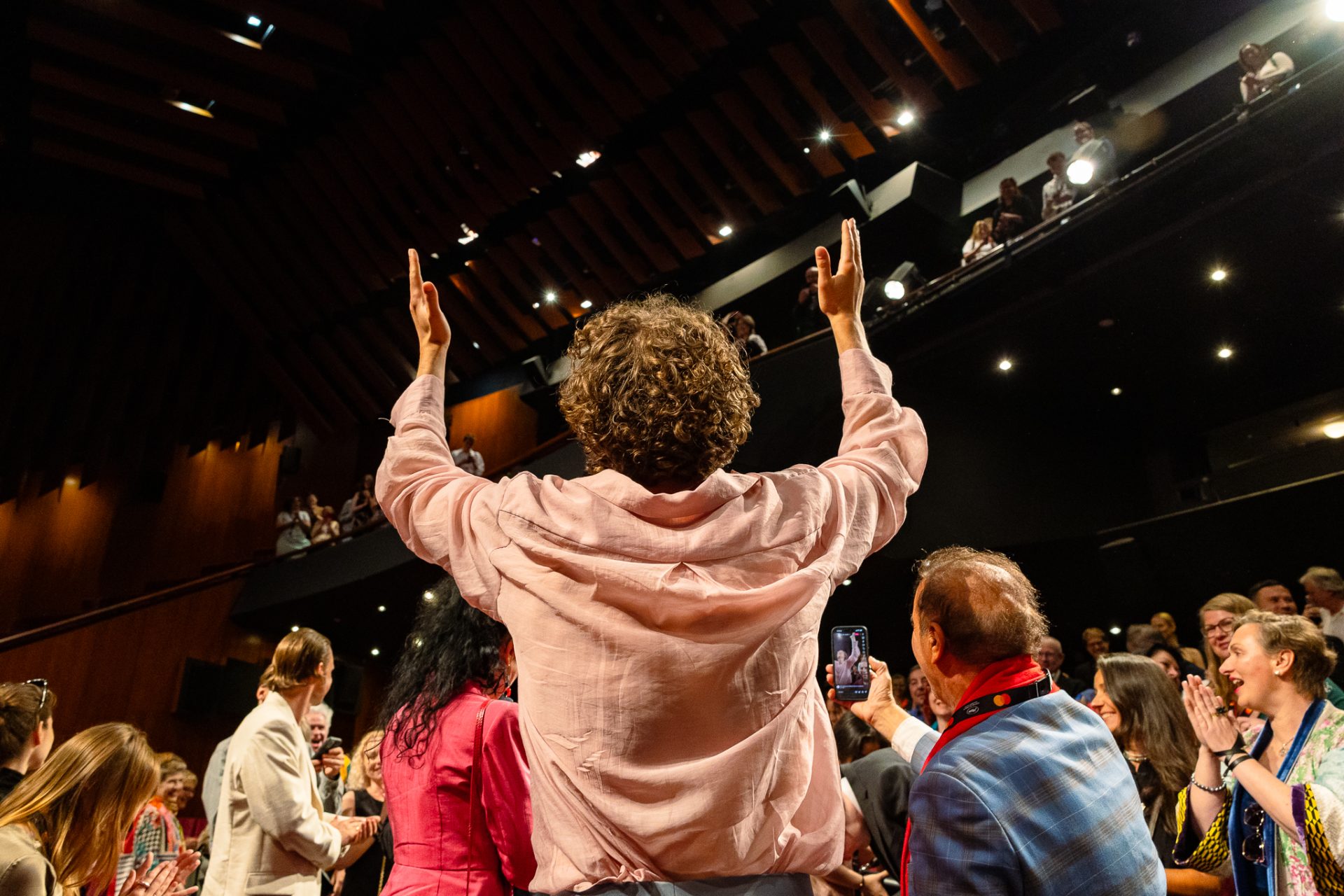
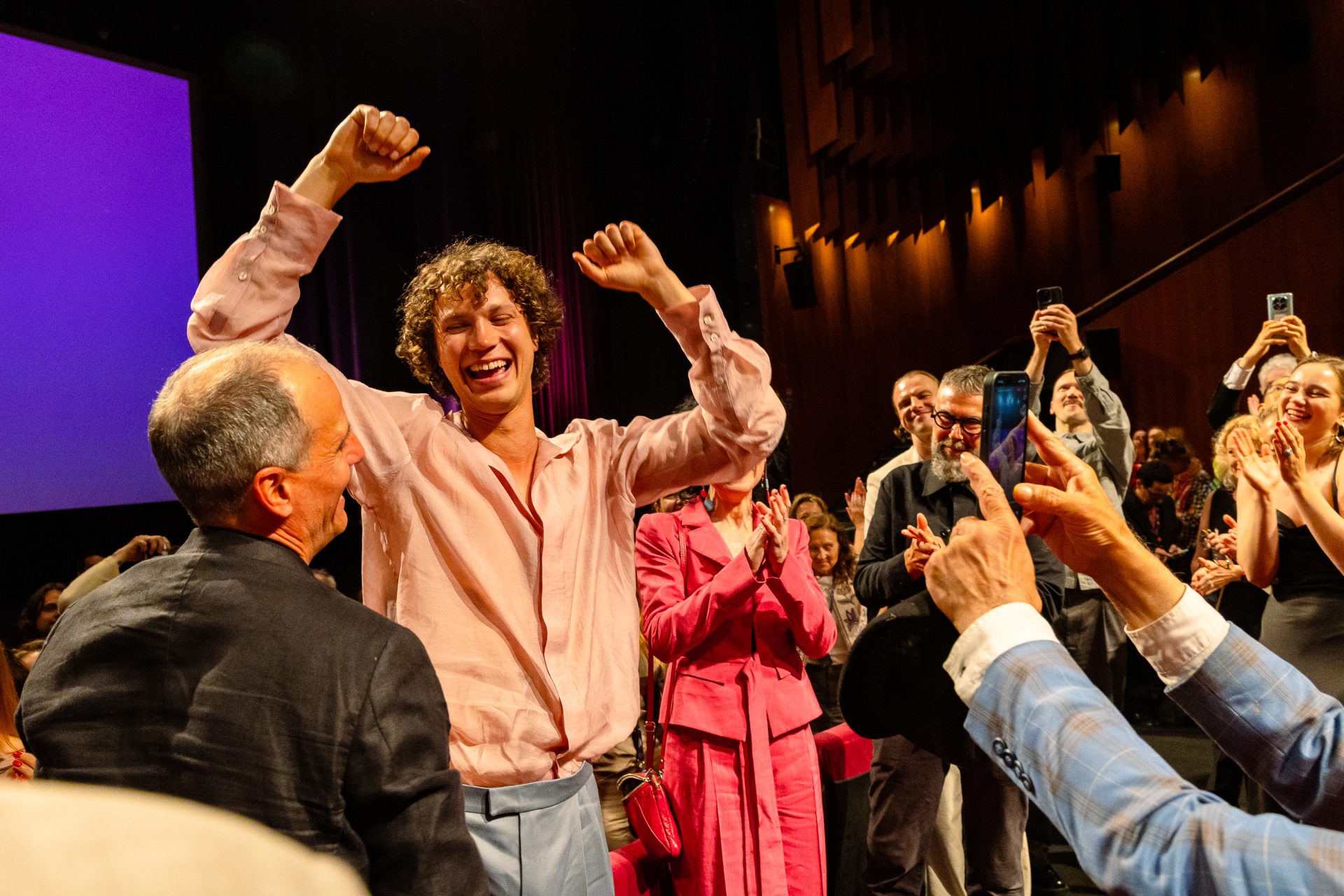
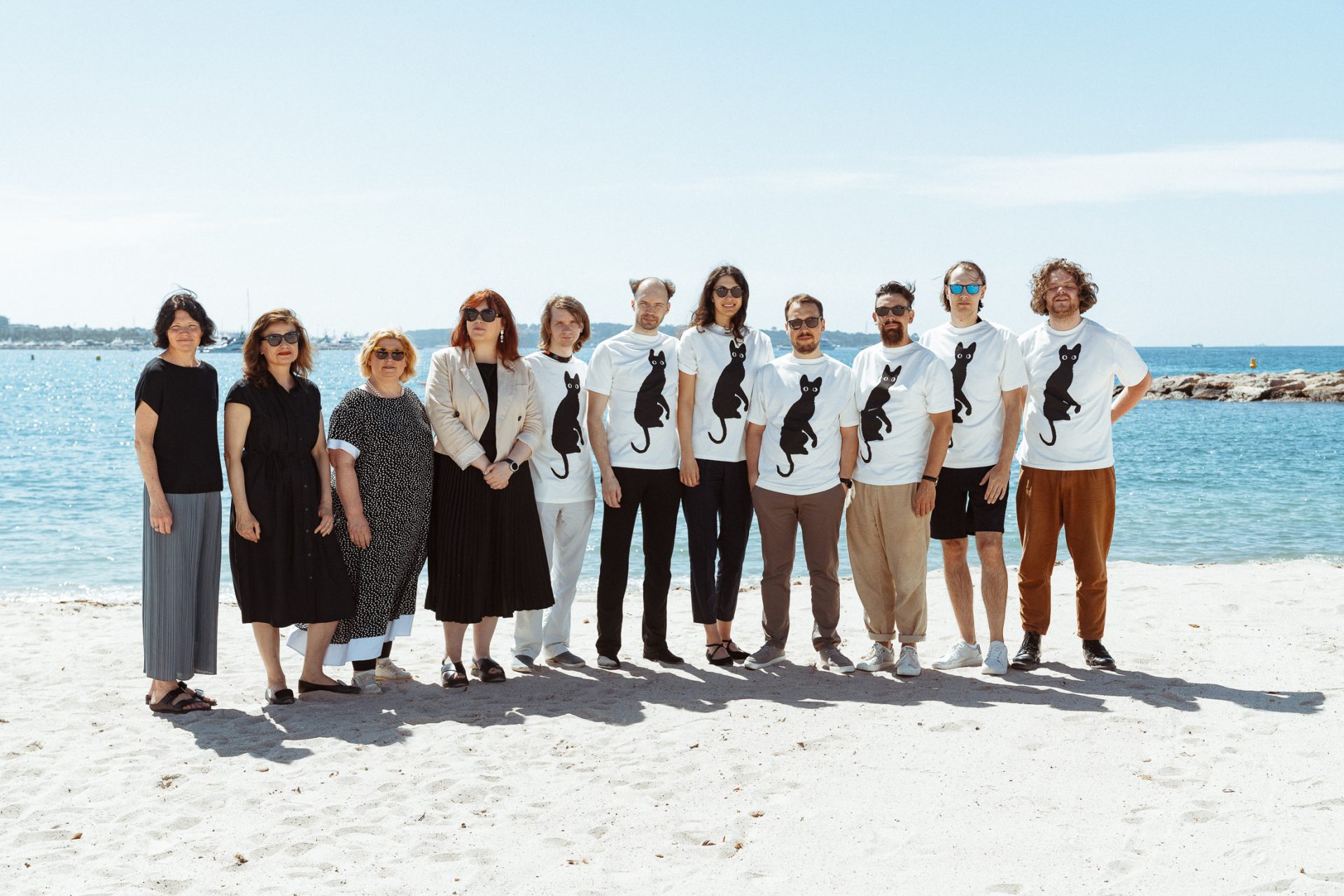
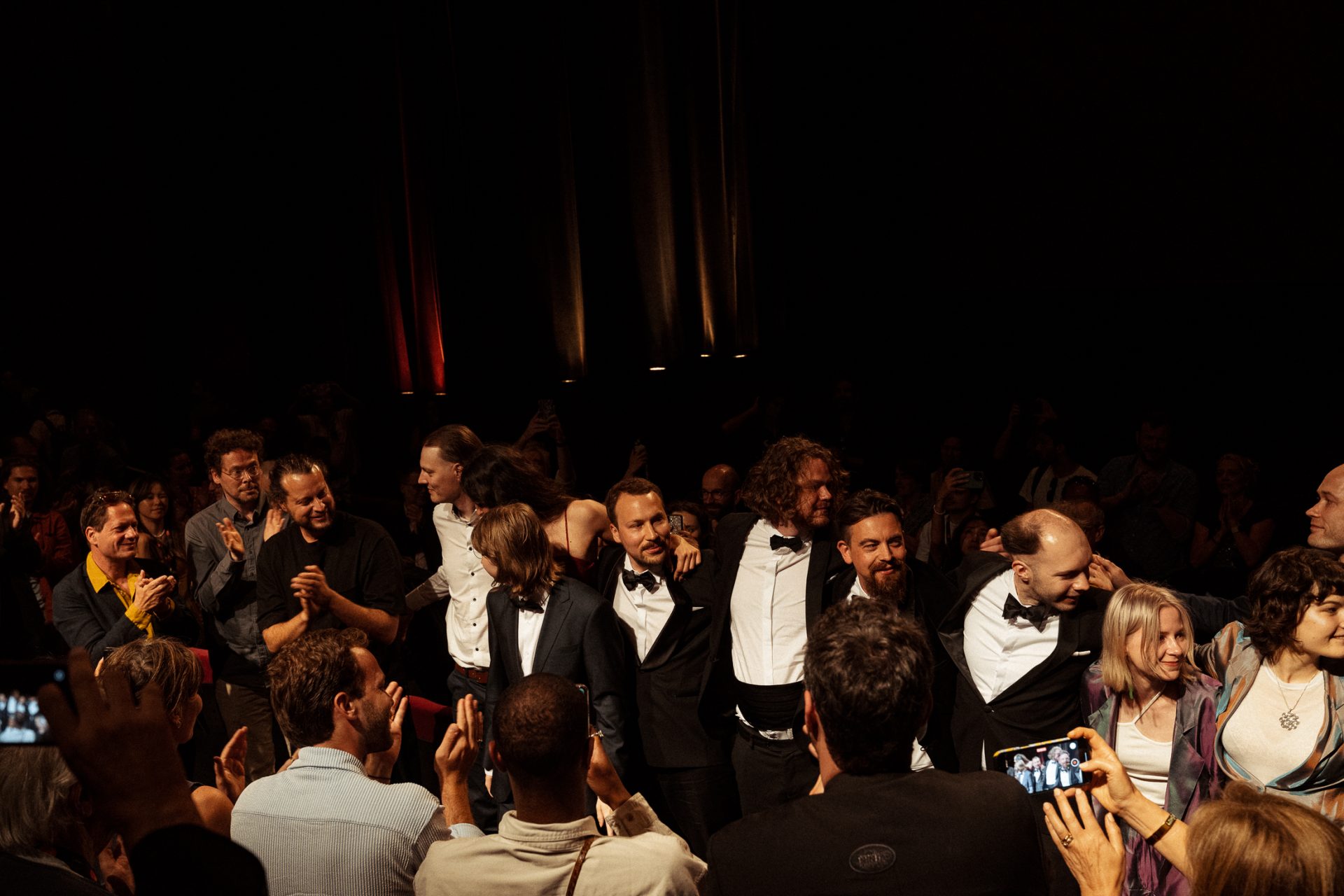
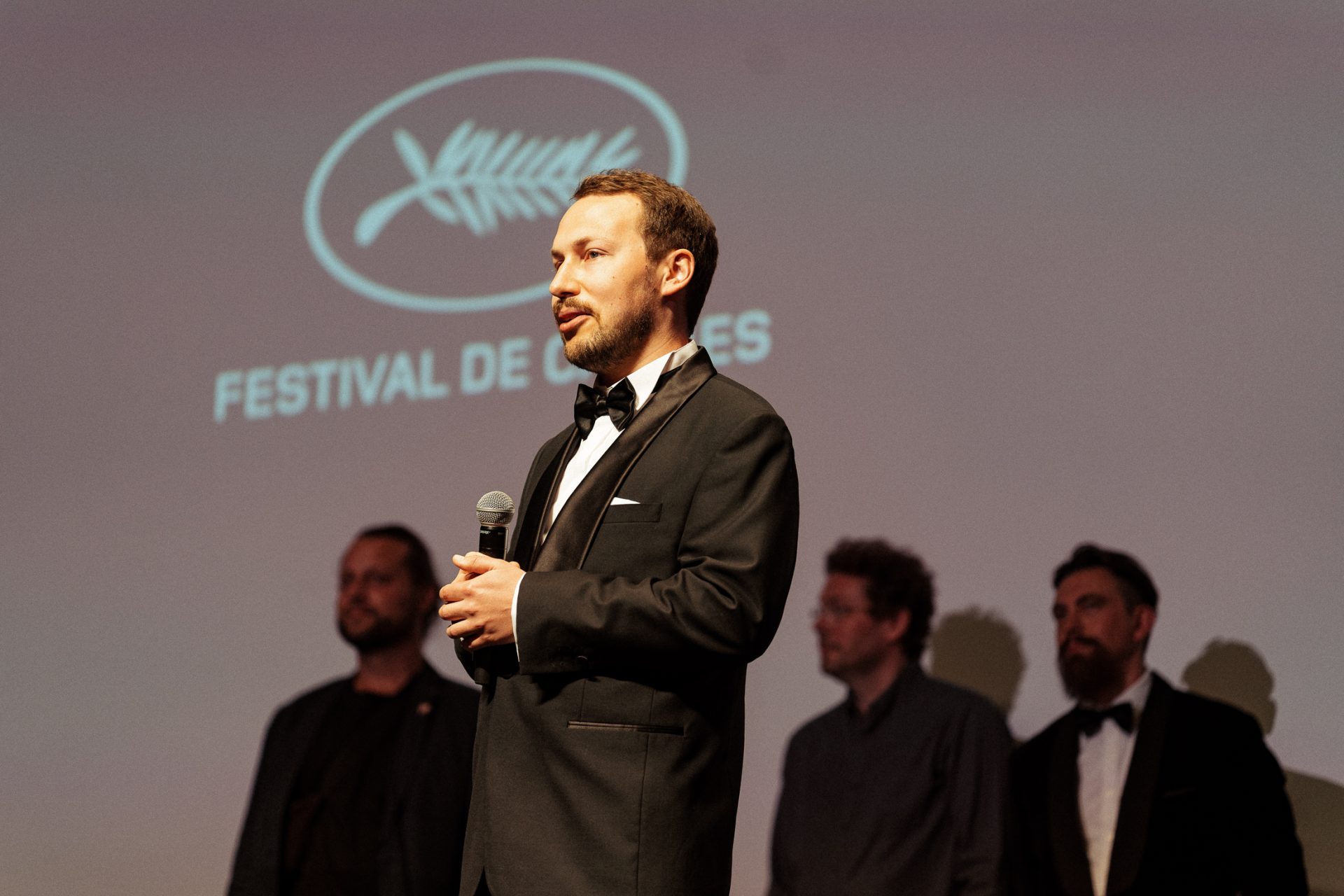
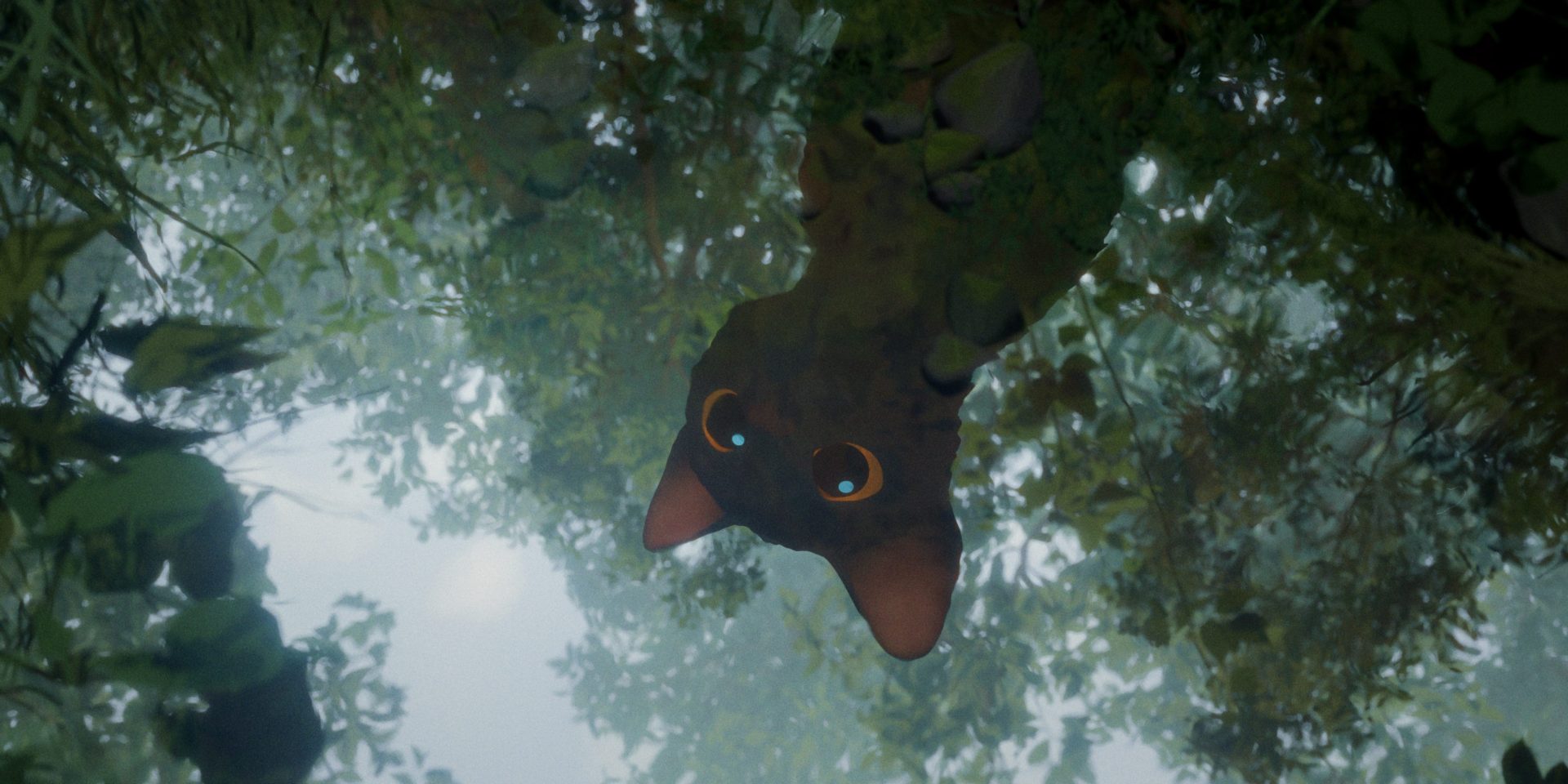
It was on May 22, 2024, when the Latvian animated film Flow premiered at Cannes. As the final meditative notes faded into silence, the audience in the red-velvet-covered Théâtre Debussy rose, turned toward the creative team in the middle of the auditorium, and erupted into a seven-minute standing ovation.

What followed outside the screening room was no less remarkable. Flow received the Prix de la Meilleure Création Sonore 2024 special prize for its sound design, quickly became a favourite among critics and audiences, and secured North American distribution within hours of the premiere.

At first glance, it may seem like a once-in-a-lifetime moment for Latvian cinema at Cannes. In many ways, it was. However, Latvian films have been steadily finding recognition at the festival since the restoration of the country’s independence. This visibility is only growing.

0/5 (0 Reviews)

05:14

© Marché du Film - Festival de Cannes

Into the Spotlight

Latvia’s film industry has become increasingly visible on the international stage lately. While Latvian films are not primarily present in Cannes in terms of awards, their selection alone is highly competitive and considered a significant achievement in the festival context.
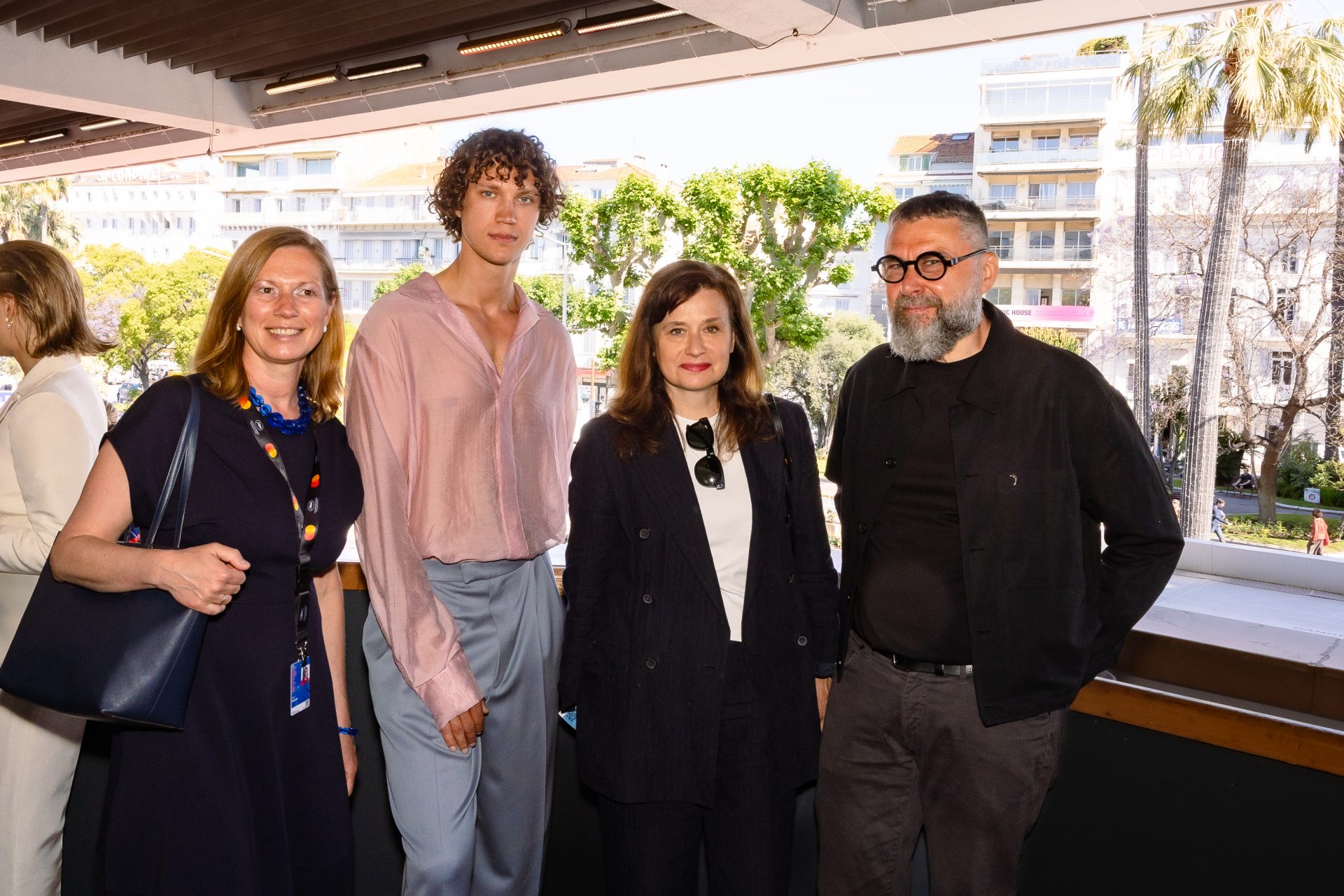
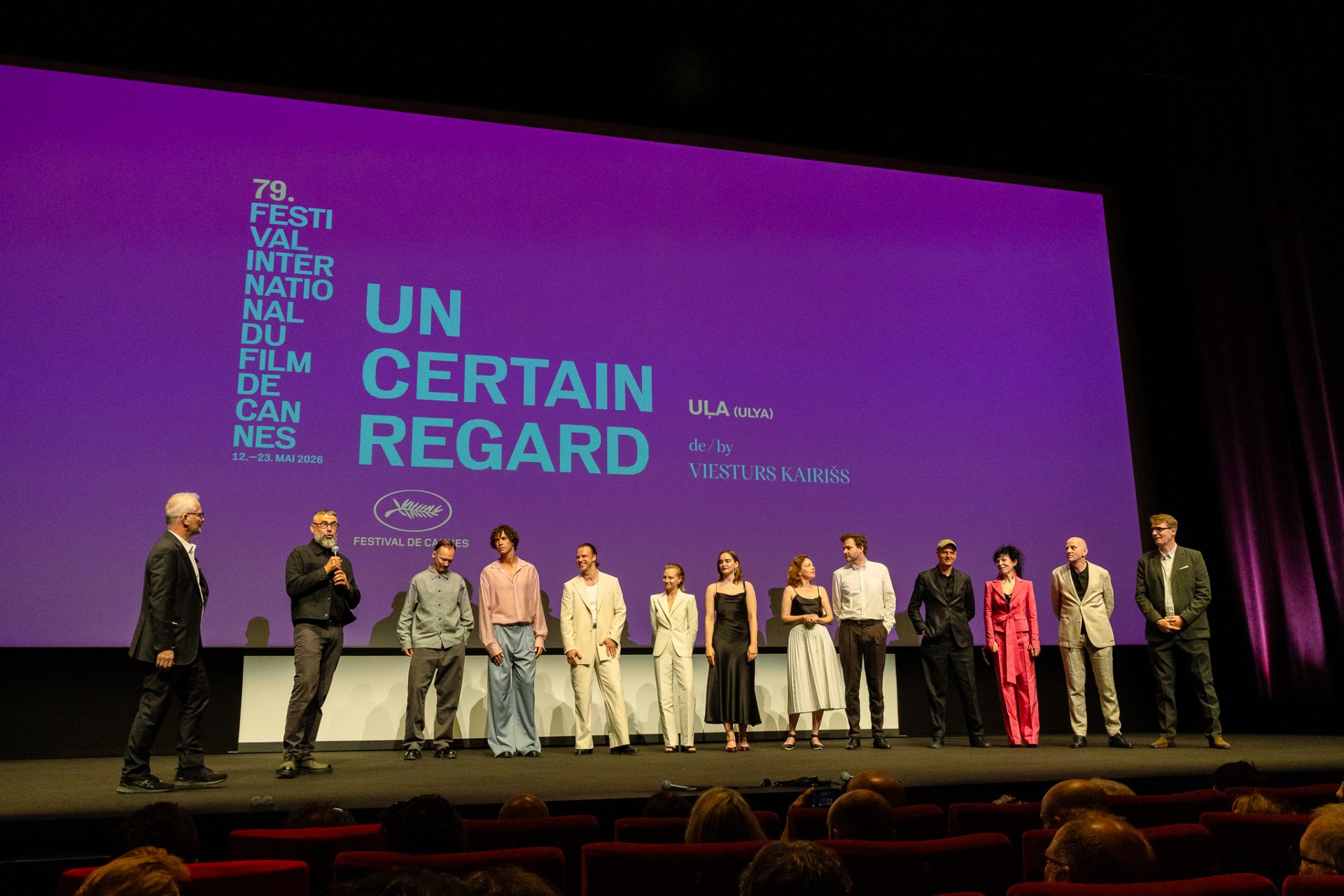
Over the past three years, two Latvian films have been selected for the Un Certain Regard section, a Cannes competition sidebar dedicated to original and emerging cinematic voices. Among them: Flow in 2024 and this year’s biographical sports drama Ulya.

“These are standout achievements not only within the Baltics, but across Europe as well,” notes Margarita Rimkus from the National Film Centre of Latvia.

0/5 (0 Reviews)

She adds that beyond selected projects and formal programmes, Cannes also brings together dozens of Latvian film professionals working on their own upcoming projects. The festival serves as a space for development, meetings, and co-production discussions.

That collaborative pull is visible beyond Latvian-led productions too. Kristen Stewart’s The Chronology of Water, for instance, was partly filmed in Latvia in co-production with Latvian studios and was well received at its Cannes premiere.

As Rimkus shares, the success of Flow really did mark a shift. Following its premiere in Cannes, Latvian film professionals began receiving more invitations to programmes and industry initiatives where they had not previously been represented.

0/5 (0 Reviews)

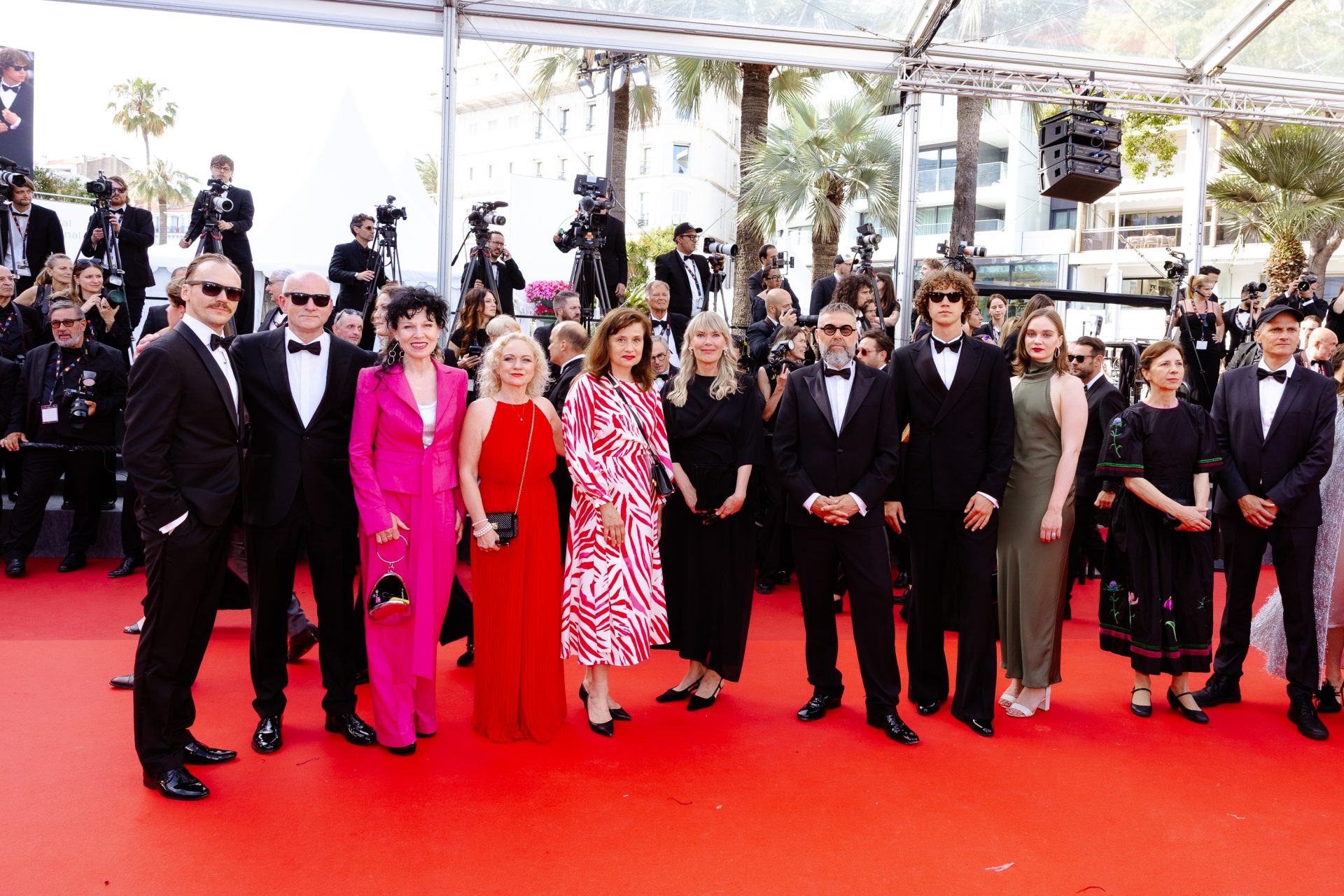
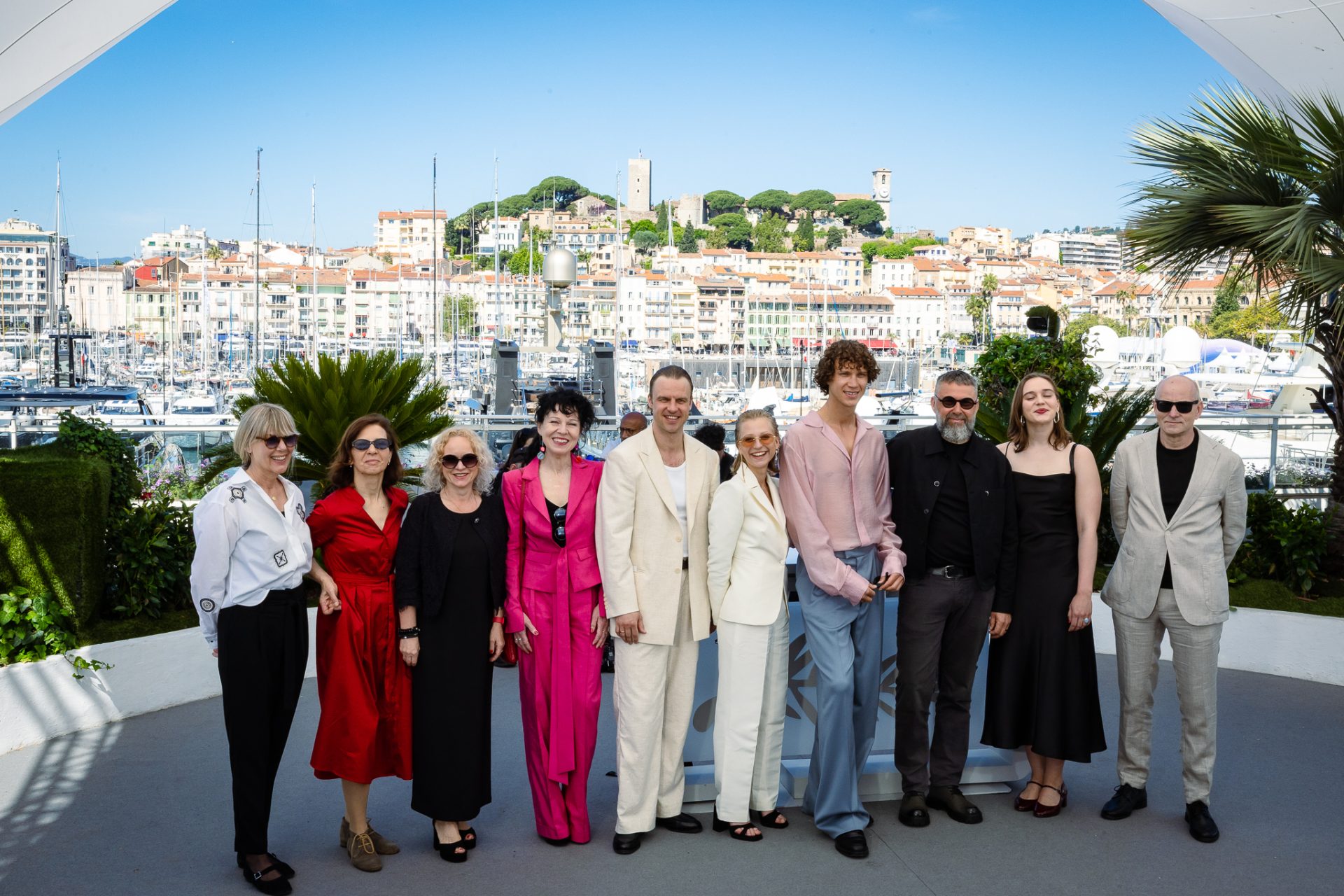
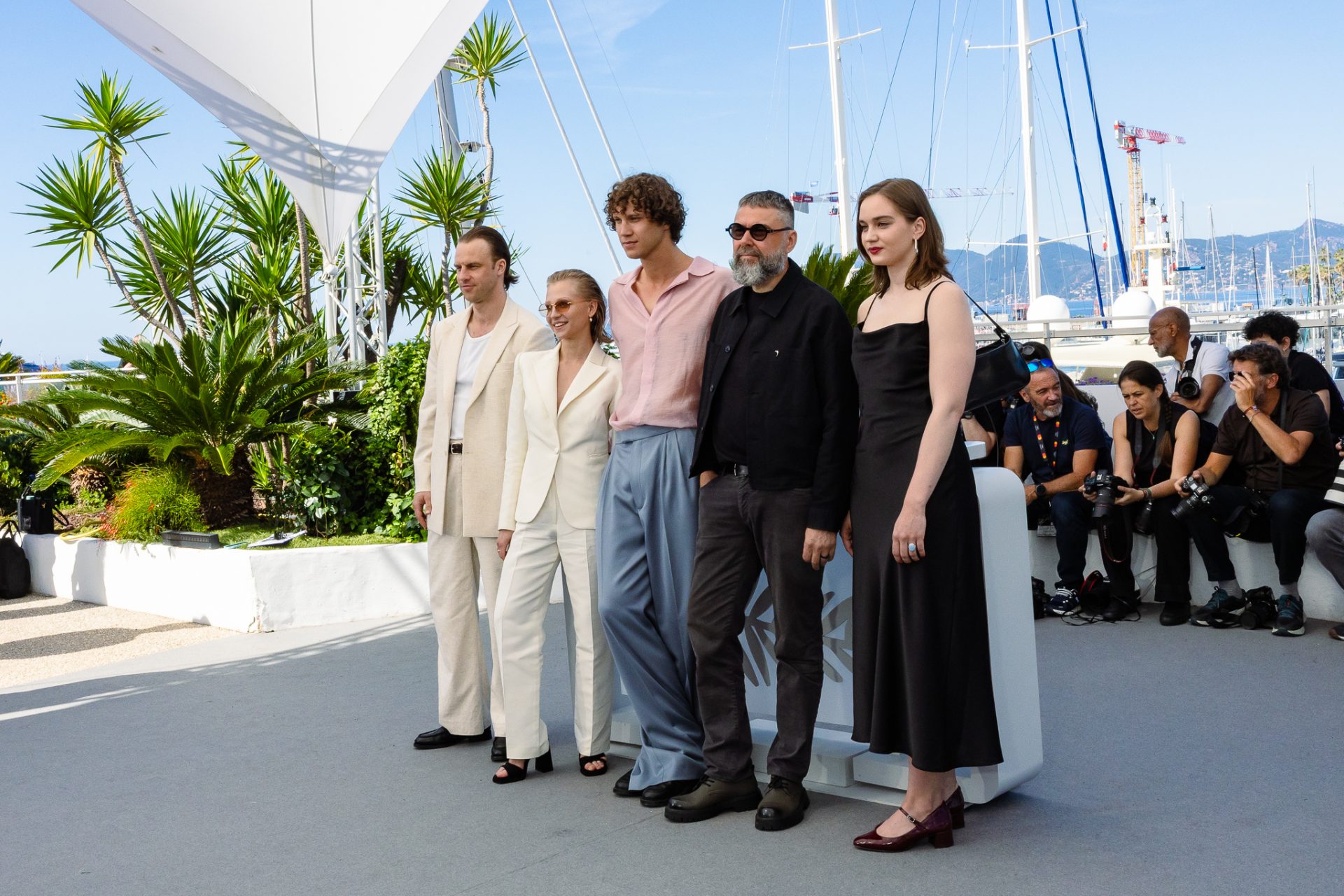
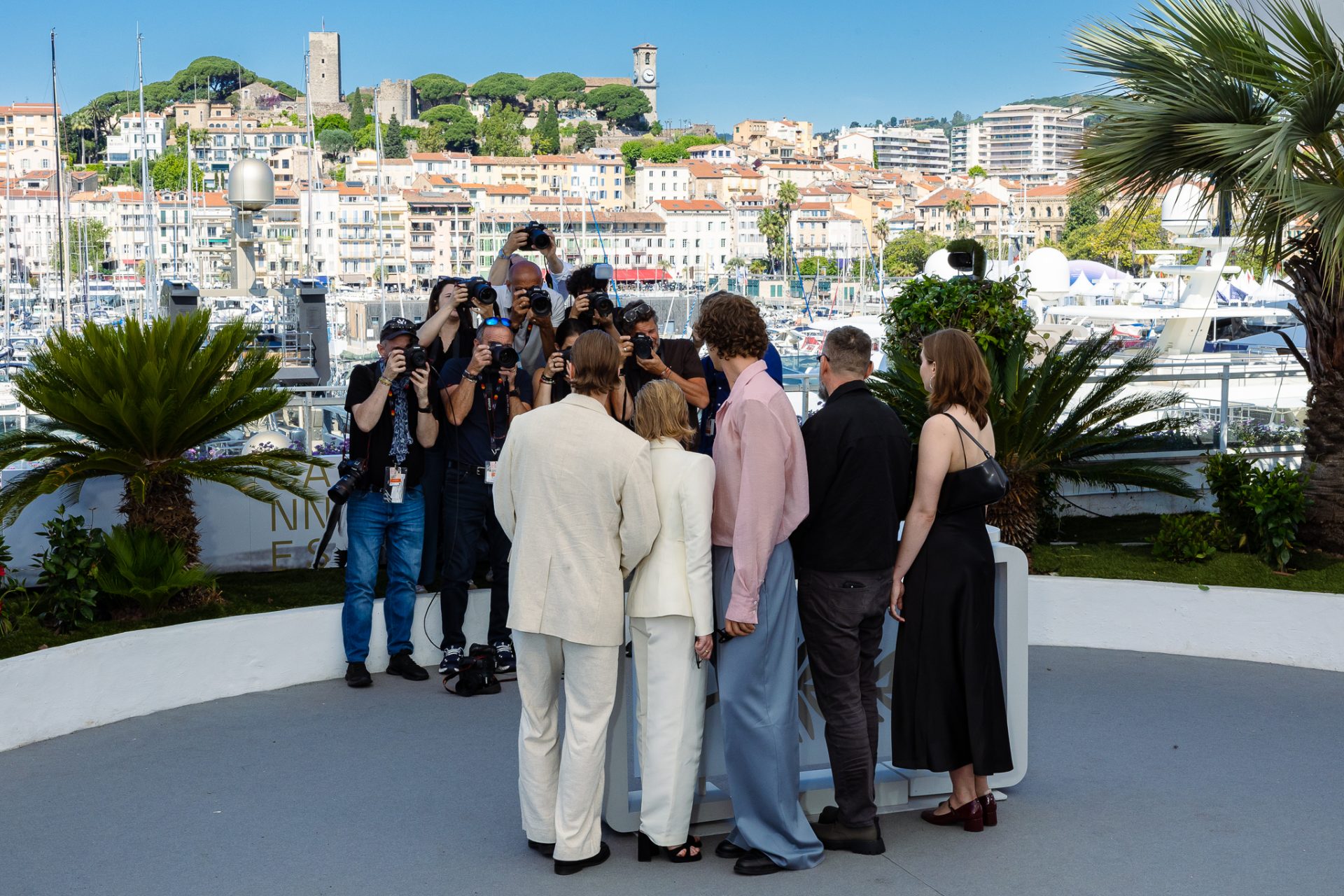
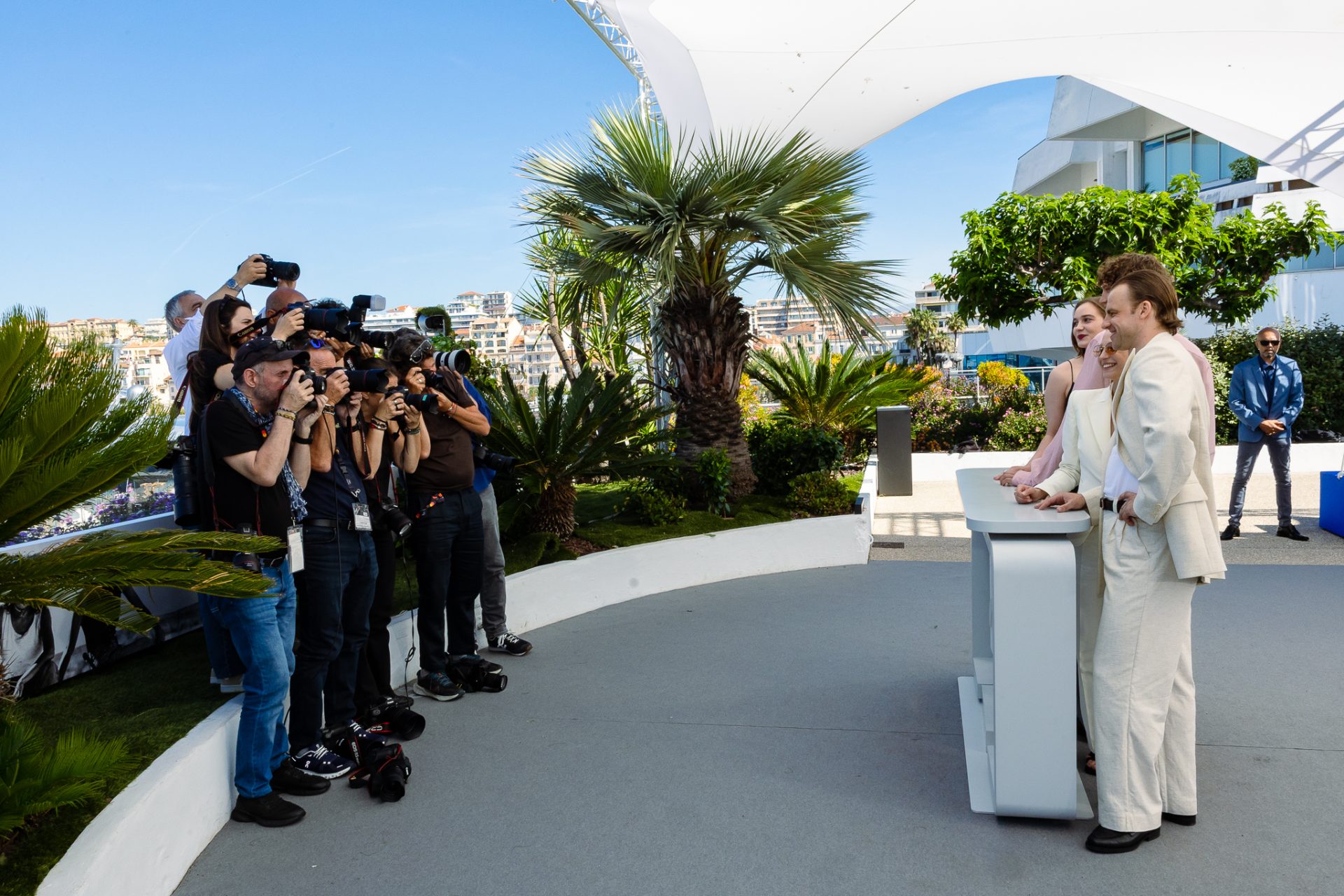
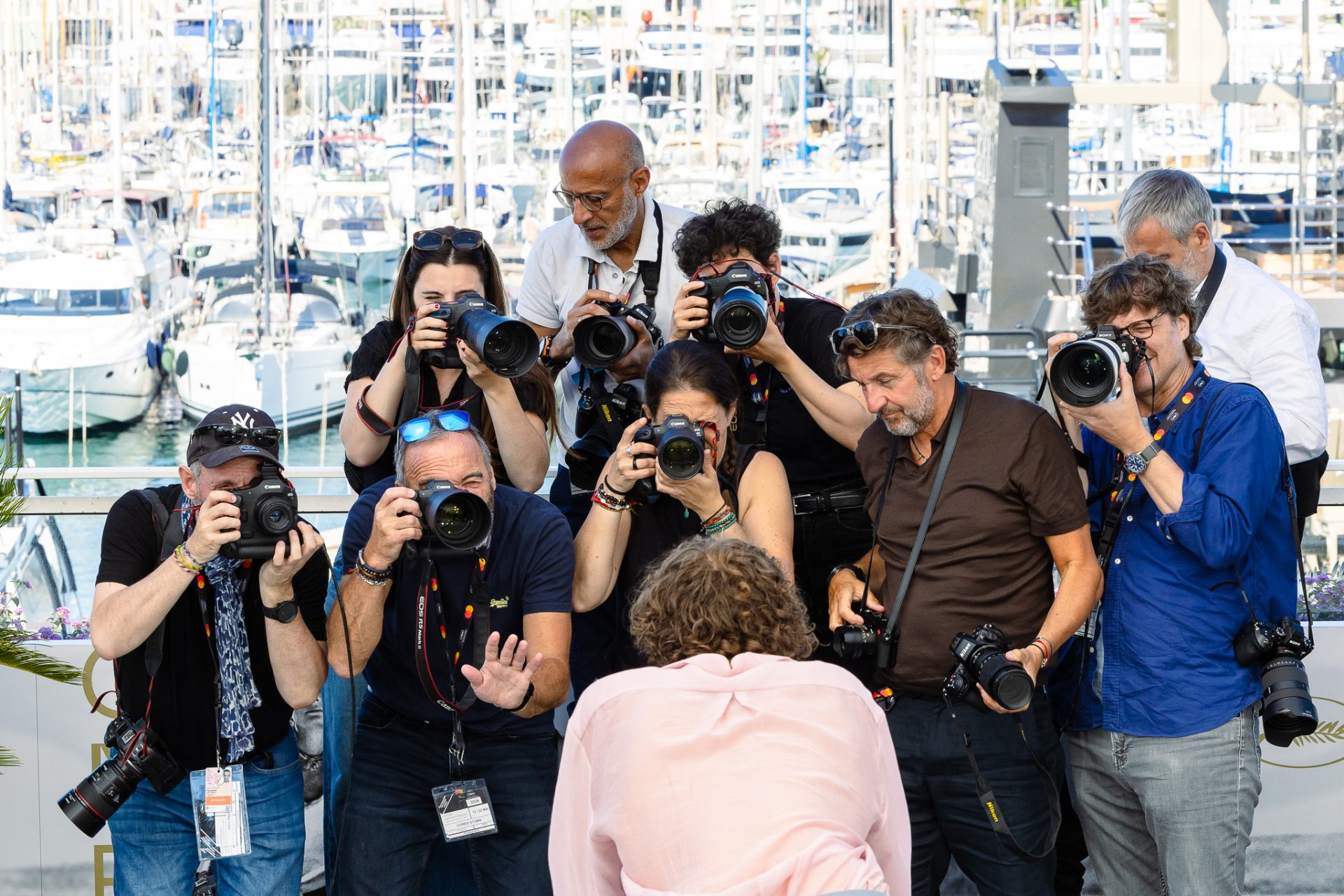
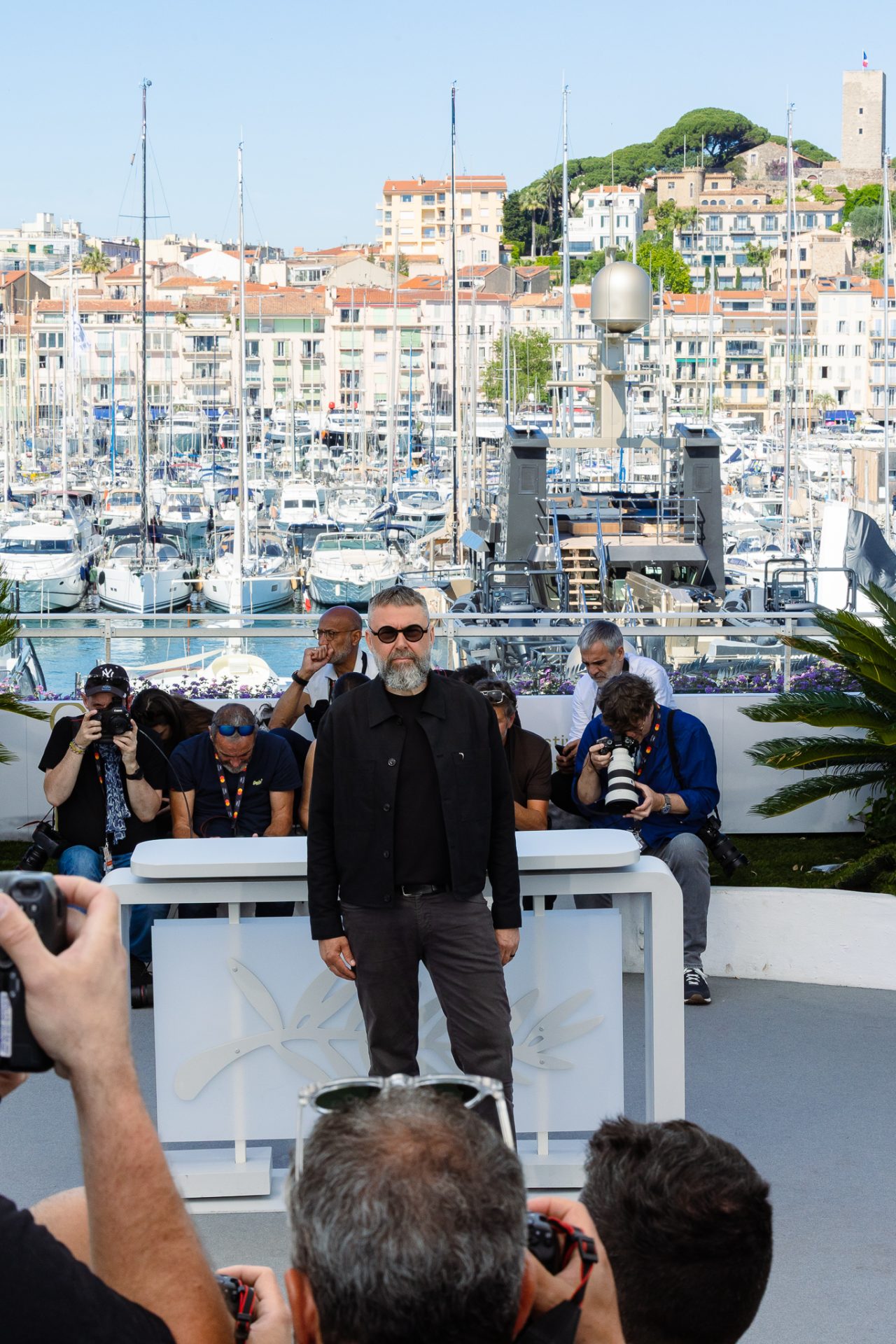
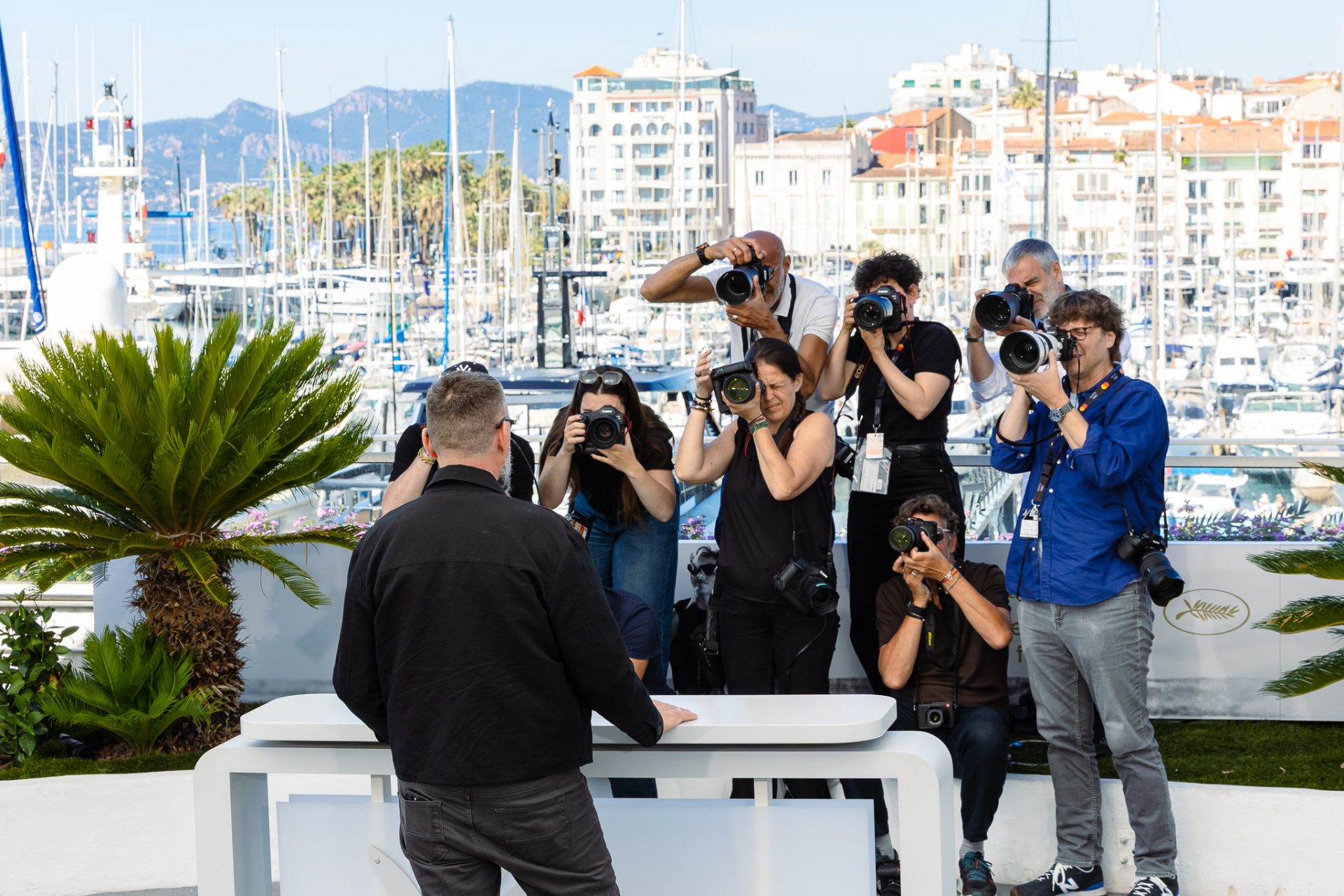
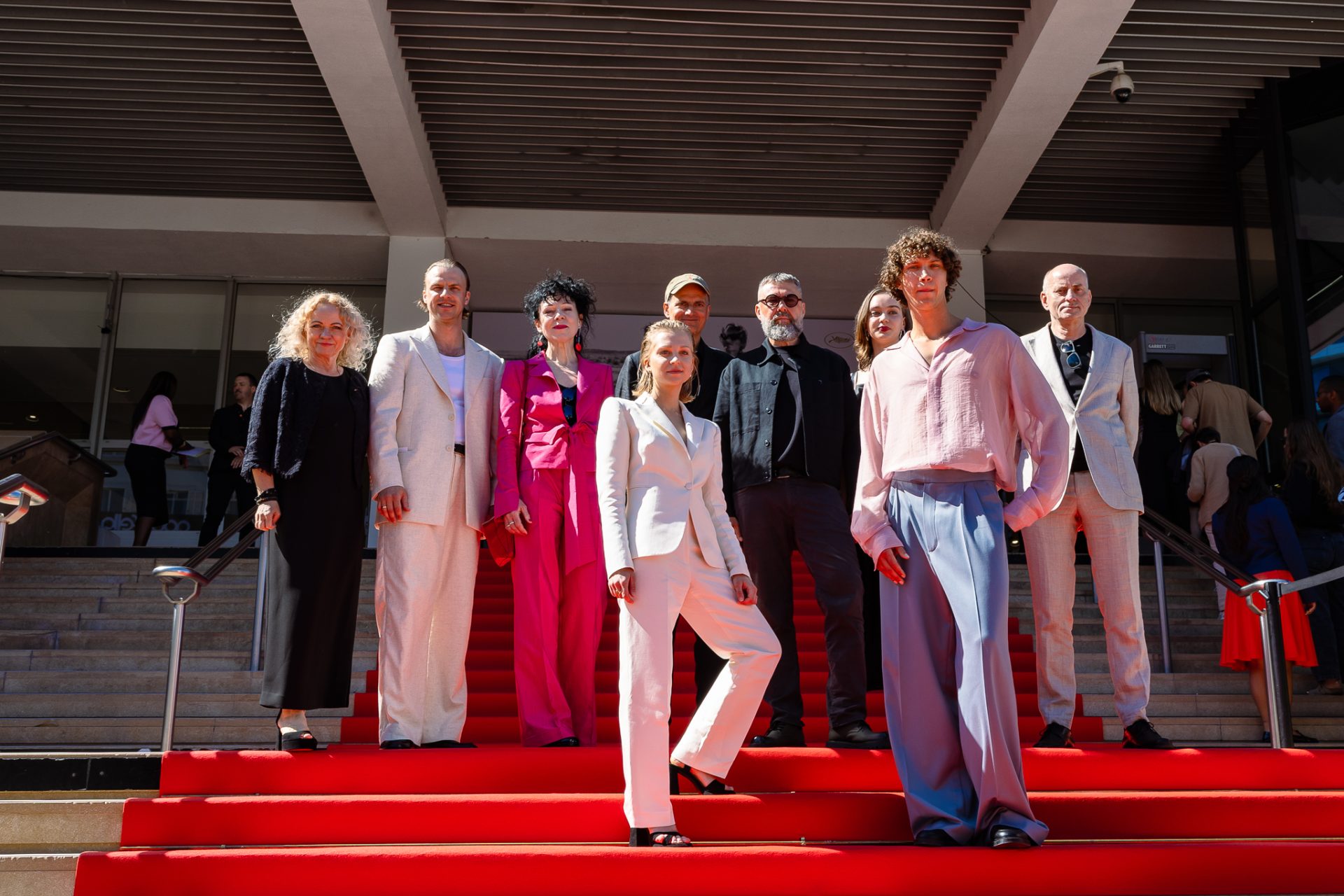
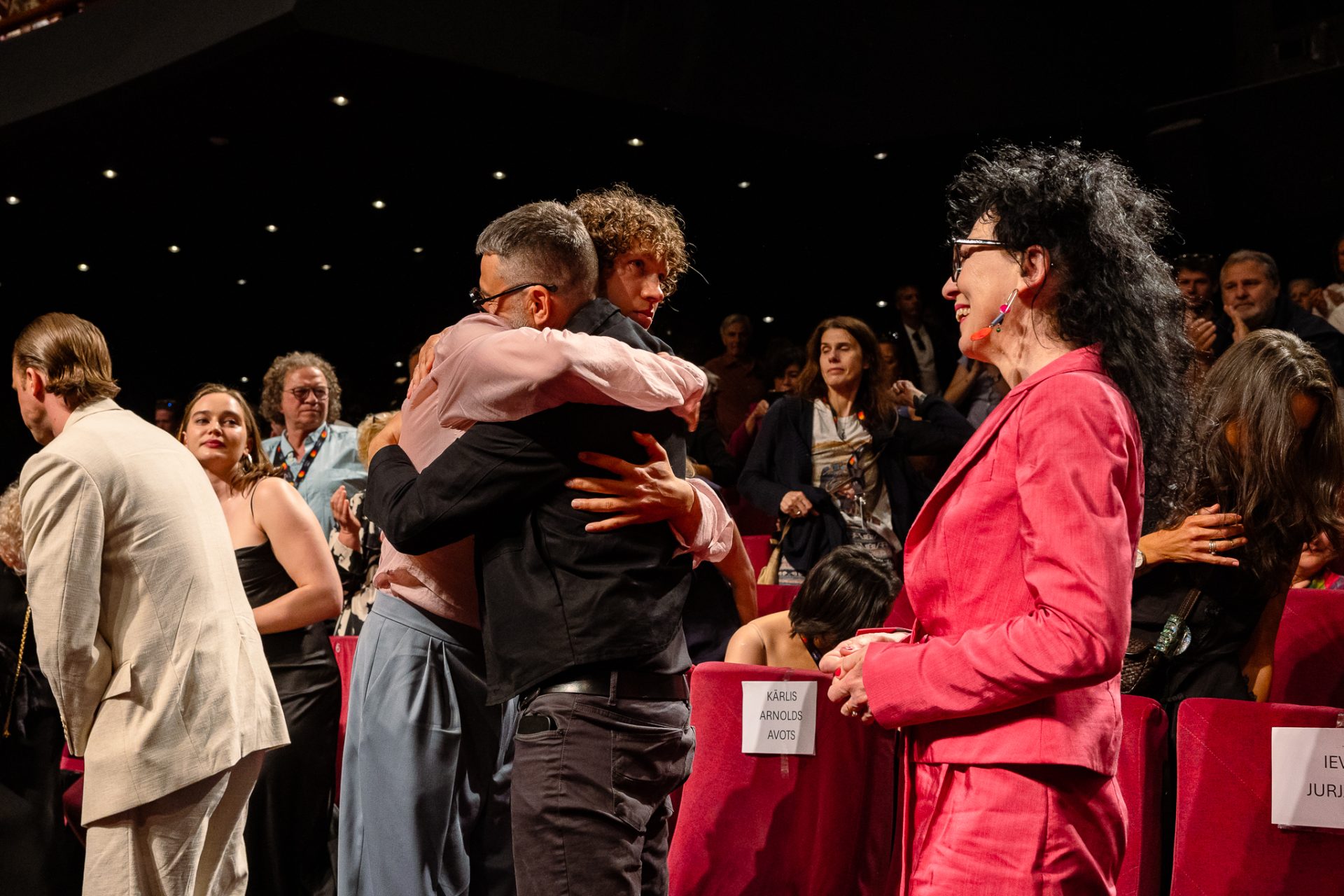
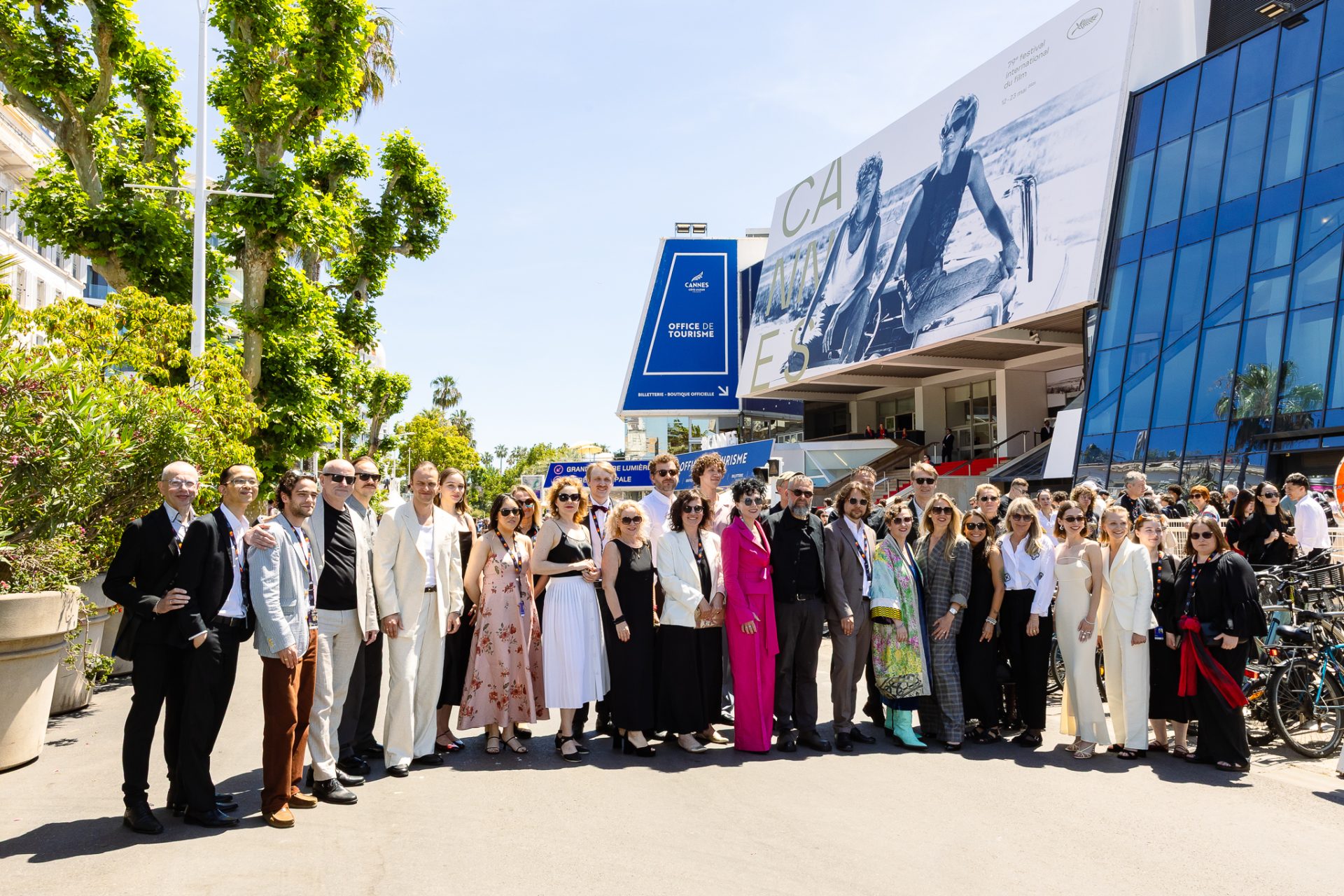
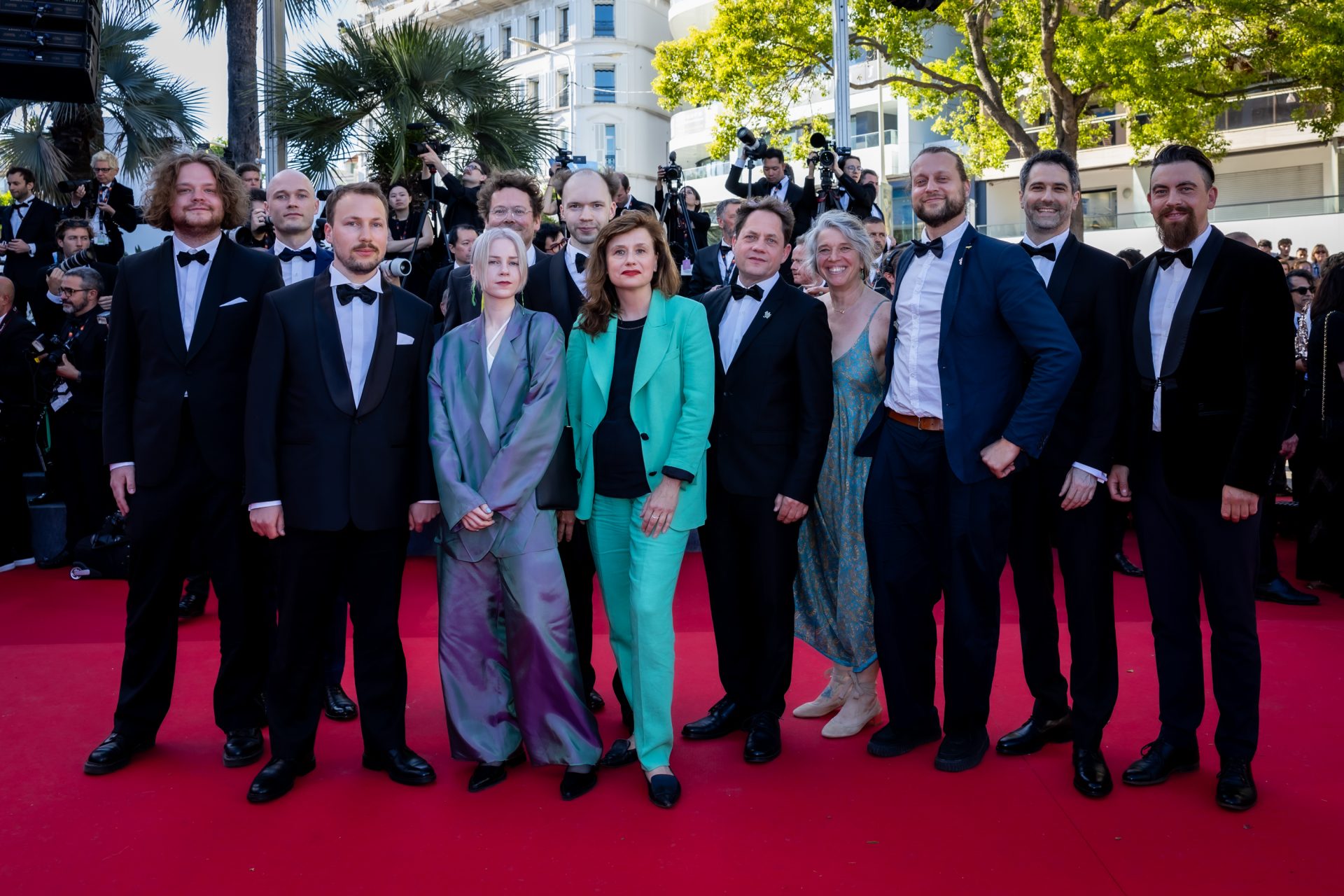
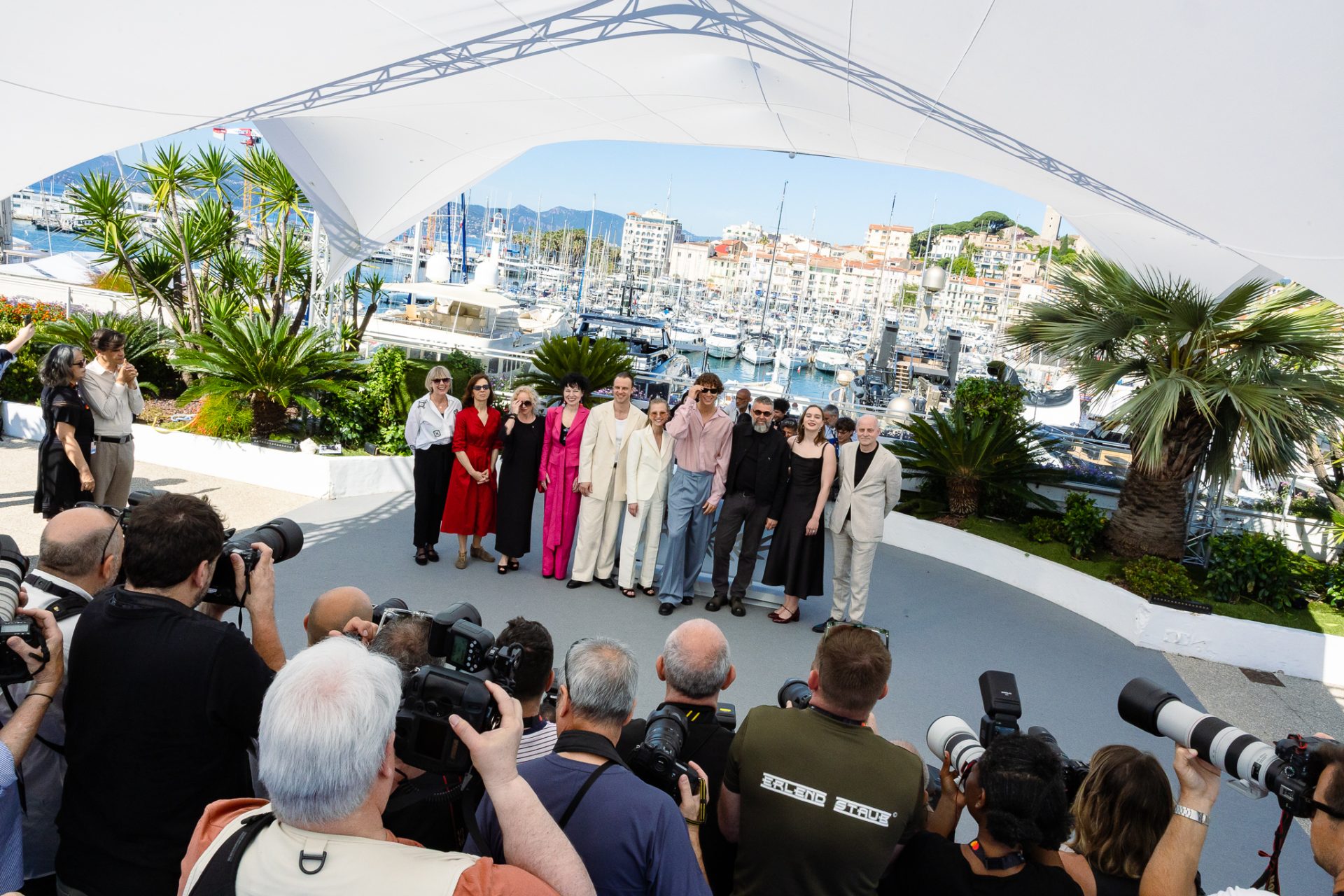
This year, Latvian film is making a significant mark at the Cannes Film Festival again. Viesturs Kairišs’ Ulya has been selected for one of the festival’s main competition programmes, which is a major milestone for Latvian cinema.

“This is a breakthrough among thousands of submitted films. It shows that a Latvian film, through its artistic execution, storytelling, and the sustained work of its creators and supporters, is competitive at the highest level of an A-class international festival,” says Rimkus.

This visibility is only the latest layer of foundations Latvian cinema has been building at the Cannes Film Festival since the restoration of independence.

0/5 (0 Reviews)

Latvian Films at the Cannes Film Festival Since Independence

If you compare Latvia’s annual film production budget to France, it is roughly a hundred times smaller. The UK’s? Around two hundred times larger. But despite operating with a budget major film industries would consider the catering bill, we still get selected for the Cannes Film Festival.

“The competition is humongous, fierce, and complicated. That’s why every film from Latvia included at the Cannes selection is really special,” admits Rimkus.

In the early years after the restoration of independence, Latvian cinema entered Cannes selections through the work of the legendary Latvian film director and screenwriter Laila Pakalniņa. Her films were selected at the festival several times, including the documentary shorts The Ferry and The Mail in 1996, and the short films Shoe in 1998 and Silence in 2009.

0/5 (0 Reviews)

A moment as recognizable in the Latvian film history as well as the national memory is Rolands Kalniņš’ classic Four White Shirts. What’s exceptional about this film is that it was originally released in 1967, yet only screened at the Cannes Classics selection in 2018.

Four White Shirts was kept from screening by the Soviet censors for 20 years and celebrated its international screening among large foreign film classics a staggering five decades later. Yet its reception was something to remember: accompanied by applause, the Latvian delegation arrived at the screening wearing white shirts and the director of the Cannes Classics program praised the work for carrying “the spirit of the New Wave”.

0/5 (0 Reviews)

© Miks Zvirbulis and Rolands Kalniņš, "Four White Shirts" premiere at the Cannes Film Festival / Agnese Zeltiņa

© "Four White Shirts" premiere at the Cannes Film Festival / National Film Center photo archive

As the film’s cinematographer Miks Zvirbulis shared after the screening: “I haven’t heard as much praise in my whole life as I heard within the two minutes here in Cannes.”

And in 2019, Juris Kursietis’ Oleg became the first Latvian film selected for Directors’ Fortnight, one of the festival’s most respected parallel programmes. Based on a true story, it follows a young Latvian non-citizen butcher who travels to Brussels in search of better wages, only to fall under the sway of a Polish criminal.

The most notable moments for Latvia at the Cannes Film Festival span animation, drama, debut features, and more. They are the slow accumulation of a film culture that has been persistently making itself seen. And we can’t wait to see what follows.

0/5 (0 Reviews)
Comments (0)