Latvian Forests

10.10.2025

Comment (0)

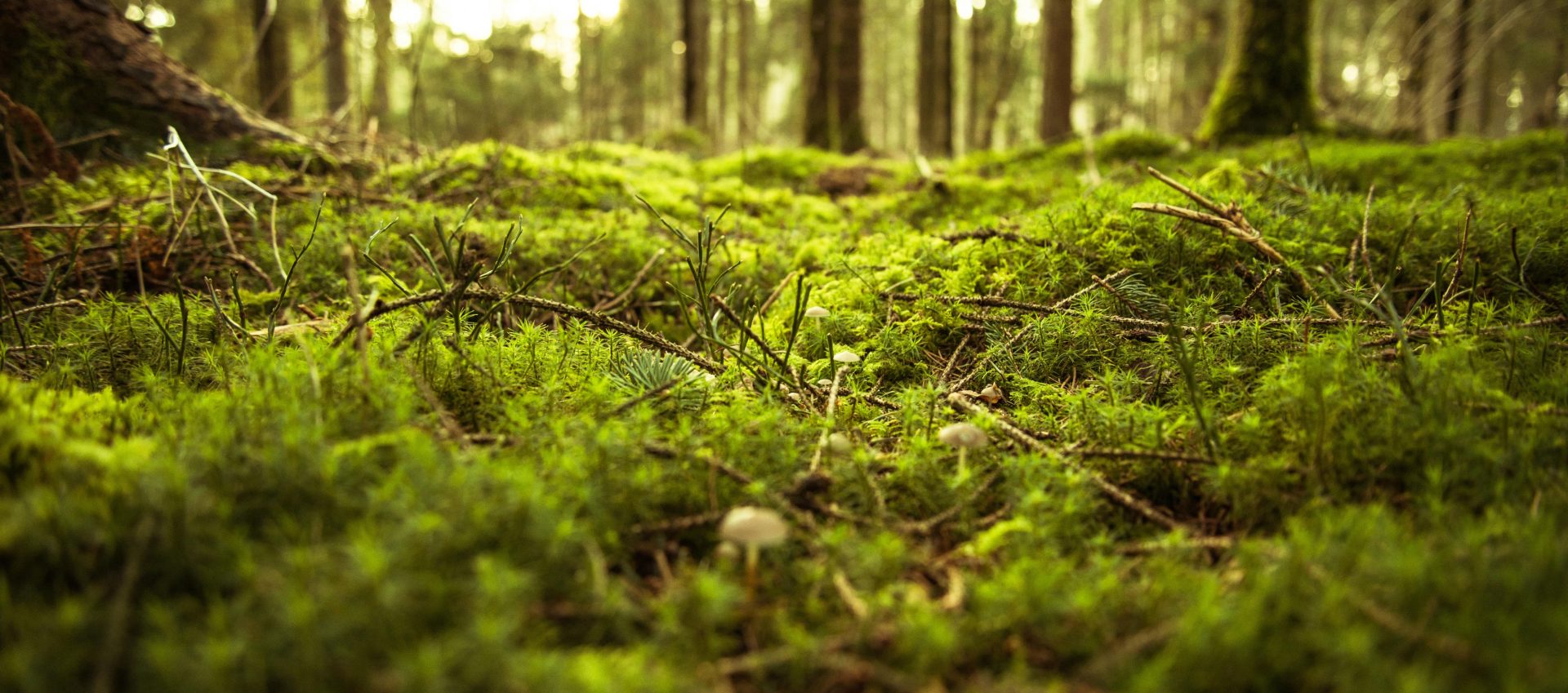
If you could open up a Latvian soul, you might find it’s green. And with good reason – forests cover 53% of the country, making them one of Latvia’s defining landscapes. Let’s step onto a mossy, pine-needle carpeted path and explore the relationship between Latvians and their forests.

Latvians and the Forest: A Living Relationship

Welcome to the Latvian forest: the rustle of leaves, the palette of greens and browns, sunlight filtering through pine branches, and the faint, earthy scent of moss and resin. The forest is where we catch our breath, restore energy, and sometimes even take part in guided forest therapy sessions.

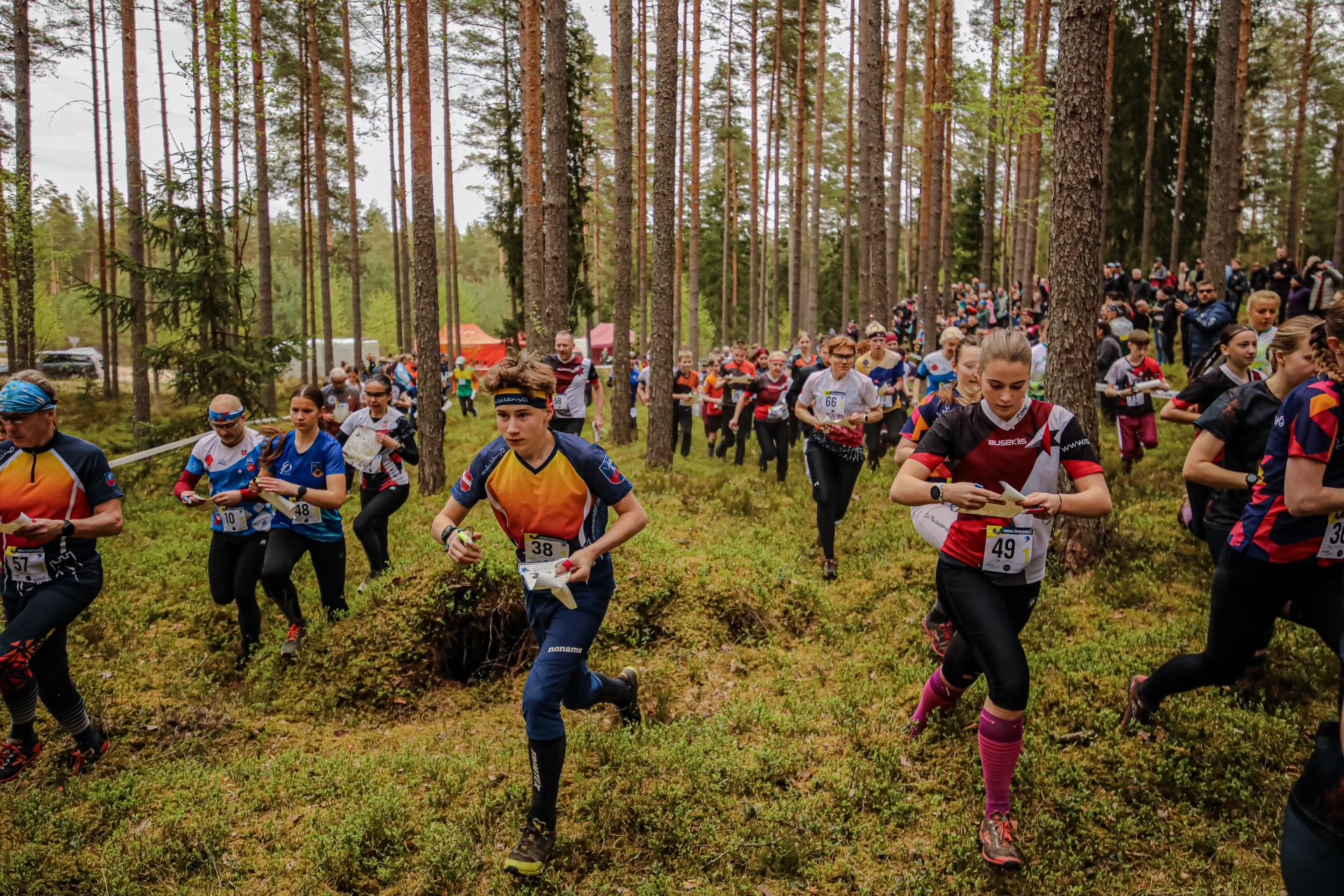
For the more active, the forest becomes an arena of endurance. Trail runners and mountain bikers criss-cross the paths, with events like the MTB Cycling Marathon rolling through Latvian trails for more than 25 years. The trail-running series “Stirnu buks” has grown from just a few hundred enthusiasts to more than 22,000 participants in a season.

© Latvian state forests MTB/Gravel marathon, Velo.lv

© Anita Austvika

© The "Stirnu buks" trail run

Yet recreation isn’t only about speed. A growing trend is dining in the forest: from cooking in nature with the acclaimed Latvian chef Renārs Purmalis to forest restaurant experiences and even secluded glass cottages serving dishes sourced from local producers.

And let’s not forget the mushroom picking, gathering berries, tea or even birch and oak branches for pirtsslotas – the Latvian sauna switches used to cleanse body and spirit. You might also enjoy finding a good watchtower for taking in the view, or exploring cultural and historical sites like bunkers, hill forts, and memorial places of the past centuries.

© Marta Stradiņa

© Marta Stradiņa

© Renārs Purmalis

A Place of Memory and Myth

The Latvian forest landscape is part of the Latvian Cultural Canon as well. And no wonder – forests have long inspired Latvian art, literature and culture. Painters like Vilhelms Purvītis, Rūdolfs Pinnis, and Edgars Vinters captured birch trunks, snowy pines, and shifting light of the forest into their work. In fact, according to research by “Silava”, the Latvian State Forest Research Institute, 19% of 20th-21st century Latvian artworks include a forest element!

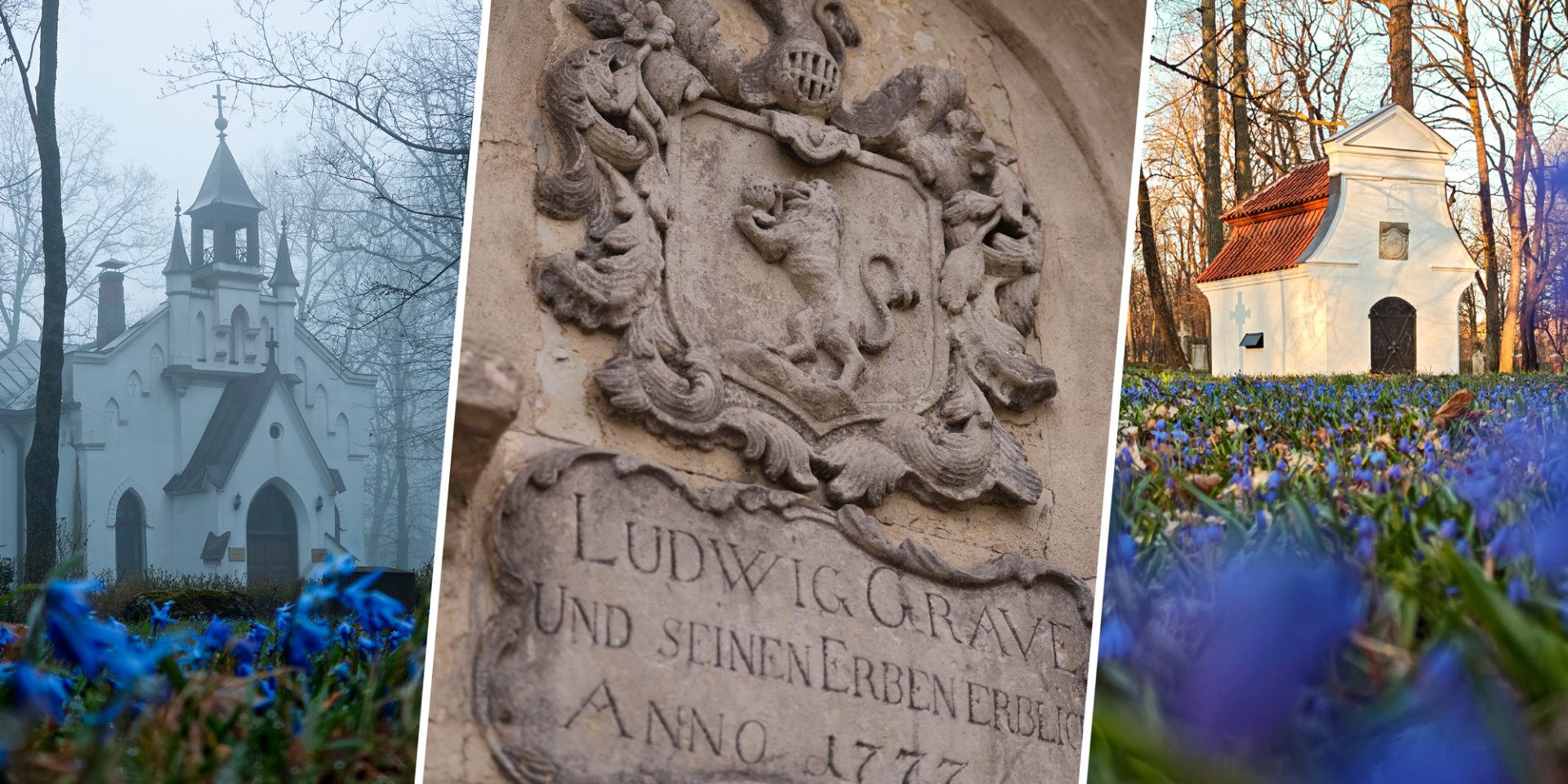
In ancient folklore though, the forest was often seen as a boundary between the living and the dead. Cemeteries were placed within or beyond a forest, and a carved cross on a pine tree could mark the threshold between worlds, according to Latvian literary scholar Janīna Kursīte.

Mythology gave the forest its guardian: the Meža māte, or Forest Mother. Offerings of beer and food were once left at sacred groves and ritual trees, where people gathered to honor her and the powers of nature. Misdeeds to sacred trees or in the woods generally were also taboo.

© Kristaps Ungurs

© Anita Austvika

The Forest in Our Roots and Economy

For centuries, wood from the Latvian forests has also been the backbone of our daily lives. Families passed down knowledge about which trees are best for firewood and which should be kept for timber. Some trees are better left alone – like the ancient giant oaks, pines, lindens and other trees known as dižkoki. More than 15,000 of these noble trees have been recorded, each one standing as both a natural monument and a cultural symbol.

Today, forests remain just as vital on a national scale. Forestry, wood processing and furniture manufacturing together contributed about 7% of Latvia’s GDP in 2022. In 2024, wood and articles of wood made up 16% of the country’s total exports, a reminder of how deeply this sector is woven into the economy.

And the connection is local too: there is hardly a parish in Latvia without a sawmill, joinery or woodworking company. Often these are the main employers in the area, making forests in Latvia not only cultural anchors but also one of the most reliable economic engines for communities across the country.

The forest path eventually leads back home, but something of the woods stays with you. In Latvia, that’s how it’s always been – life, nature and culture are inextricably intertwined. Perhaps that’s exactly as it should be.

Comments (0)