Rye bread in Latvia

21.08.2025

Comment (0)

© “Ķelmēni” archives

Rye bread — a fuel that Latvians run on. This heavy, hearty, and nourishing loaf is a local pantry essential and an element of the Latvian Cultural Canon. Not only is the bread consumed at home, schools, and hospitals but also celebrated on occasions such as Bread Day at the Āraiši Windmill and the Milk, Bread, and Honey Festival in Jelgava.

Latvians eat it by the slice, lathered in butter, as well as fried, and even cooked into several delectable traditional desserts. Let’s look at what makes rye bread in Latvia so special, how and where you can learn how to make it, and a few classic recipes!

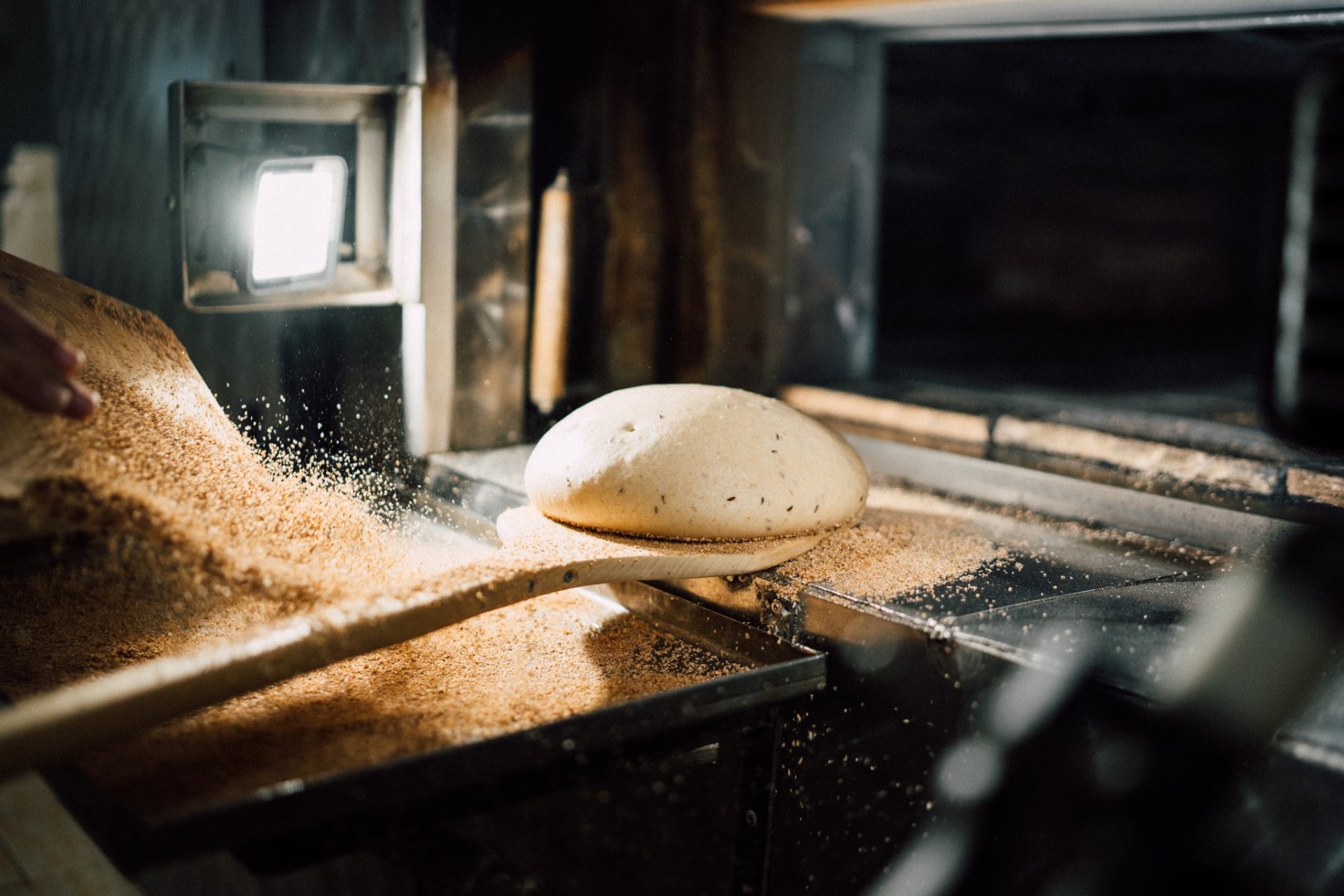
For starters, rye bread boasts a lower glycemic index than its wheat counterparts. It’s also rich in fiber and B and E vitamin. What’s more, the dark loaves keep very well, so you can afford to bake a lot in one session, knowing that it will last a long time without going stale. Of course, traditionally, the bread goes into a wood-fired oven. The one particular rye bread that is recognized by the European Union as a Traditional Speciality Guaranteed is salinātā or scalded, which means it has undergone a special process to intensify the fermentation with boiling hot water and extra sugar.


© “Ķelmēni” archives

© “Ķelmēni” archives

© “Ķelmēni” archives

Is Latvian rye bread sweet?

So, what does Latvian rye bread taste like? “Germans say it resembles pumpernickel, and Scots compare it to soda bread. Our rye bread, however, is milder and softer, with a crunchier crust, a more intense flavor, and a characteristic sweet-and-sour note,” shares Kristīna Sprūdža, seasoned baker and head of the Maizes Māja (House of Bread), a family business offering baking workshops, cultural educational programs for kids, and traditional catering. “Some guests have said that they’ve never tasted anything like it, describing Latvian bread as distinctive and evoking the feeling of having stepped back in time, with a surprisingly pure, fresh, and healthy flavor profile,” she continues.

In Kristīna’s experience, international guests are most surprised at the temperature of the bread oven — 300-350 degrees Celsius — and how long it takes for the wood-fired oven to heat up: four hours! Because of the intense flavor and density, she says it can be challenging for people to enjoy pure rye bread if used to wheat and corn varieties. In such cases, Kristīna suggests starting slow with a Latvian saldskābmaize (sweet-and-sour bread) made of 50% rye and 50% wheat flours.

© “Ķelmēni” archives

© “Ķelmēni” archives

Taste your way around Latvia!

The annual Maizes diena (Bread Day) event at Āraiši Windmill is a wonderful opportunity to try different varieties of both pure rye and mixed flour breads, gathering bakers from all over Latvia for a celebration of their skill and the fruits of their labor. Alternatively, you can follow the Rye Road! This is a tourism initiative in which farmers, bakers, and caterers from across the country have joined forces to promote not only themselves but also local customs and heritage. The owners of Caunītes farmstead, Dzīles bakery and home restaurant, Klajumi horse farm and others will gladly welcome visitors to share what it takes to bake a proper loaf of Latvian rye bread.

However, if you’re already a confident baker or have easy access to Latvian rye bread, you might just want to try a few recipes! A savory one to look out for is rupjmaizes grauzdiņi (crispy fried rye bread sticks), which are a fabulous garlicky snack to have with beer. On the sweet spectrum: rupjmaizes kārtojums (rye bread trifle) and maizes zupa (bread soup). The former involves layers of butter-fried rye bread, double cream, and pureed cranberries or lingonberries, and the latter is a thick concoction of rye bread, sugar, and assorted dried fruits.

In Latvia, rye bread is available at every food shop — just look out for the proportion of rye flour on the ingredients list. You can also buy packets of the rye bread sticks, yogurt-pot-like containers of the trifle, and bags of bread soup readymix. Alternatlvely, head to a local pub or cafeteria to see if they have these delicious dishes on the menu!

Comments (0)