For decades, Latvia’s held a reputation for being an R&D hub for information and communication technologies. In the 1930s, we invented world’s smallest photo camera. In 2023, we’re one of Europe’s pioneers in developing 5G-enabled technologies.

© LMT
For decades, Latvia’s held a reputation for being an R&D hub for information and communication technologies. In the 1930s, we invented world’s smallest photo camera. In 2023, we’re one of Europe’s pioneers in developing 5G-enabled technologies.
A research institution that employs over 200 researchers, assistants, engineers, and software developers. The institute is actively involved in commercial software development.
Research areas:
An internationally regarded quantum computing research group, led by computer scientist Andris Ambainis, with a focus on the theoretical aspects of quantum information.
Research areas:
A research institute conducting fundamental and applied research in information and communication technologies, as well as smart materials.
Research areas:
A joint project of several local and international companies and organizations, led by Latvian mobile innovator LMT. Altogether, there are seven 5G testbeds across the country, open to innovators developing 5G-based solutions across a variety of industries.
Research areas:
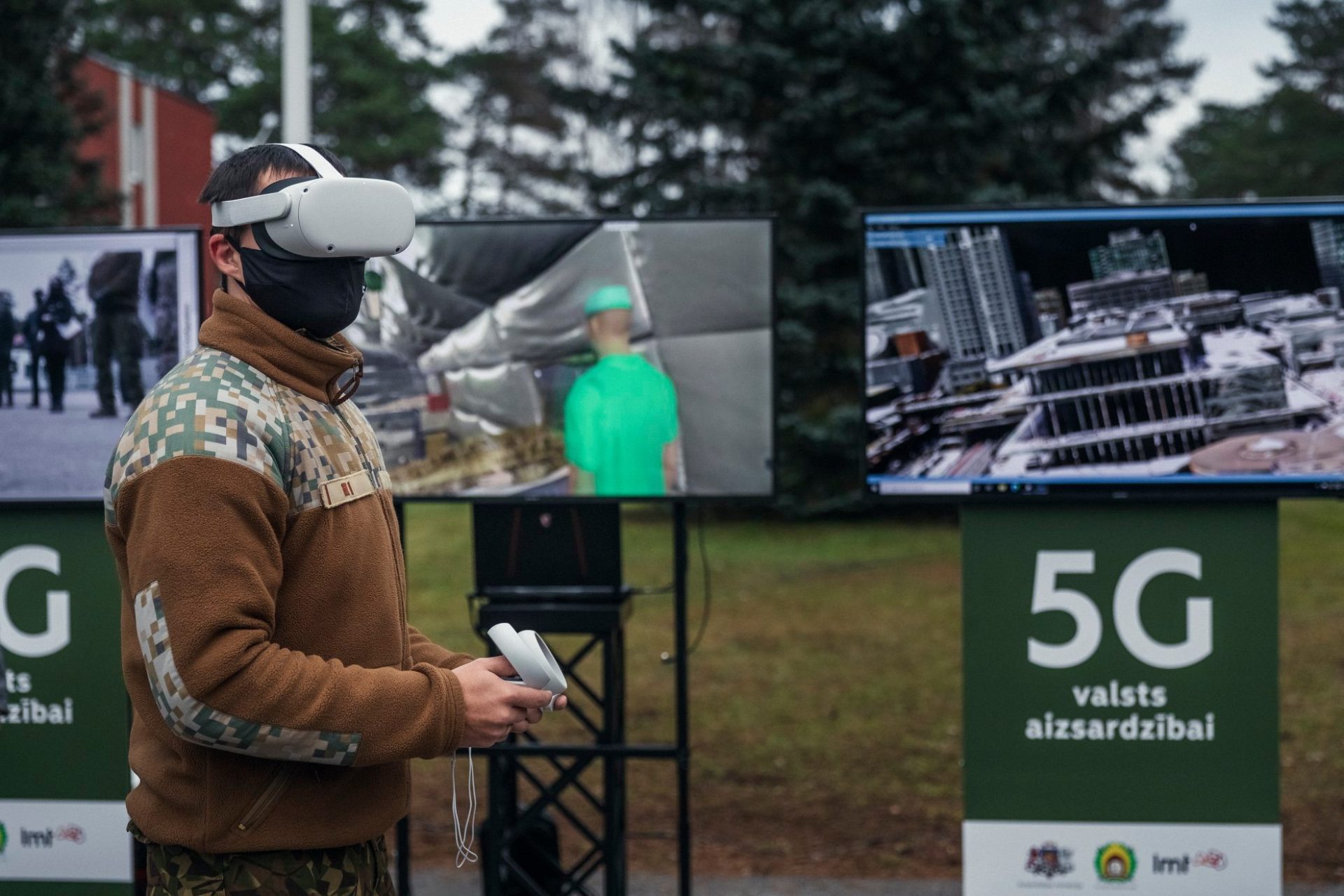
In 2020, Ādaži military base became the first innovative 5G military test site in Europe. 5G innovators from all over the world can use this testbed for the research and testing of new 5G defense technologies and innovations.