The Great Cemetery in Riga: A Park Layered in History

04.08.2026

Comment (0)

© Egons Lācis and Riga City Council Archive

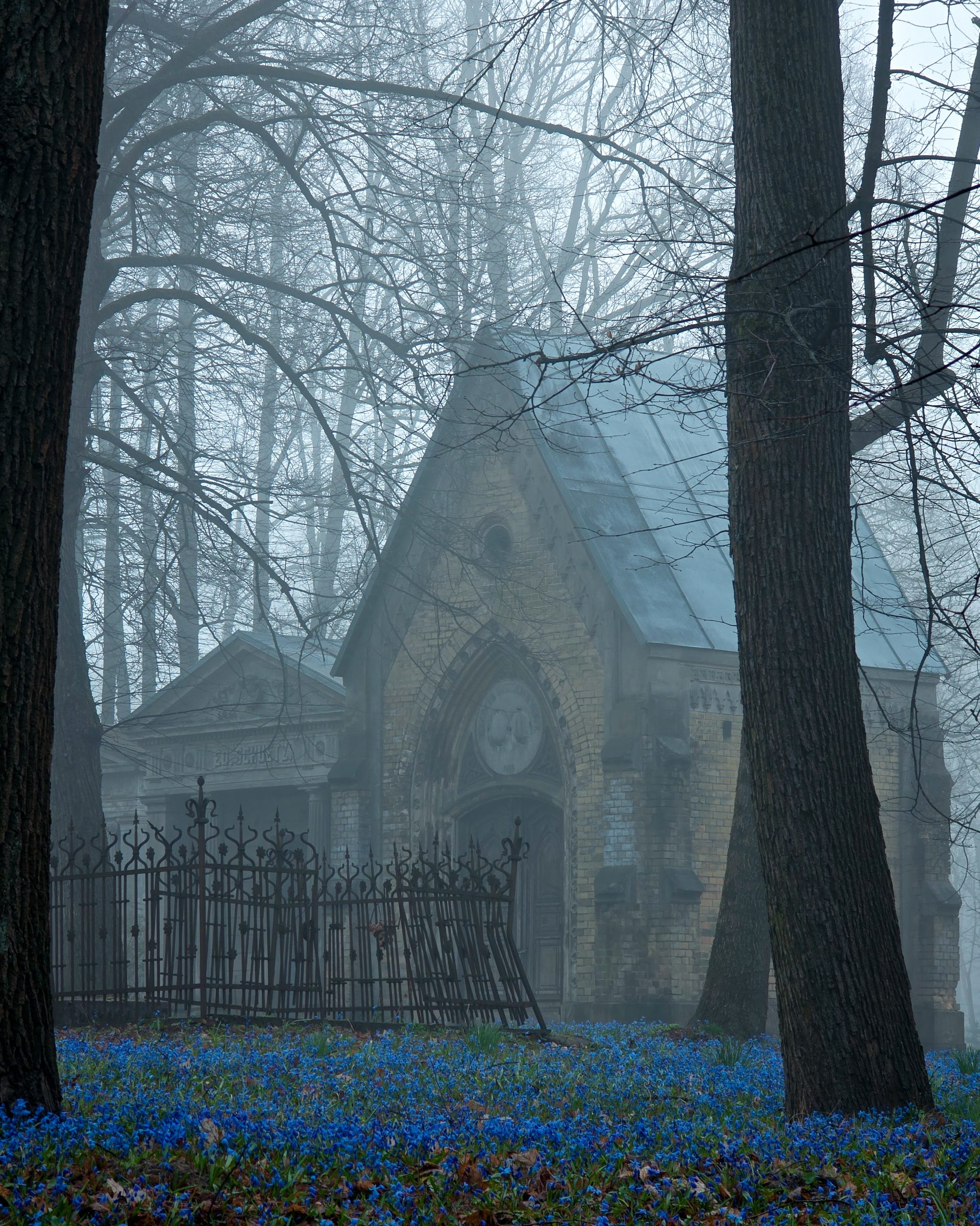
When you look at the Great Cemetery from afar, it might look like a forest at first.

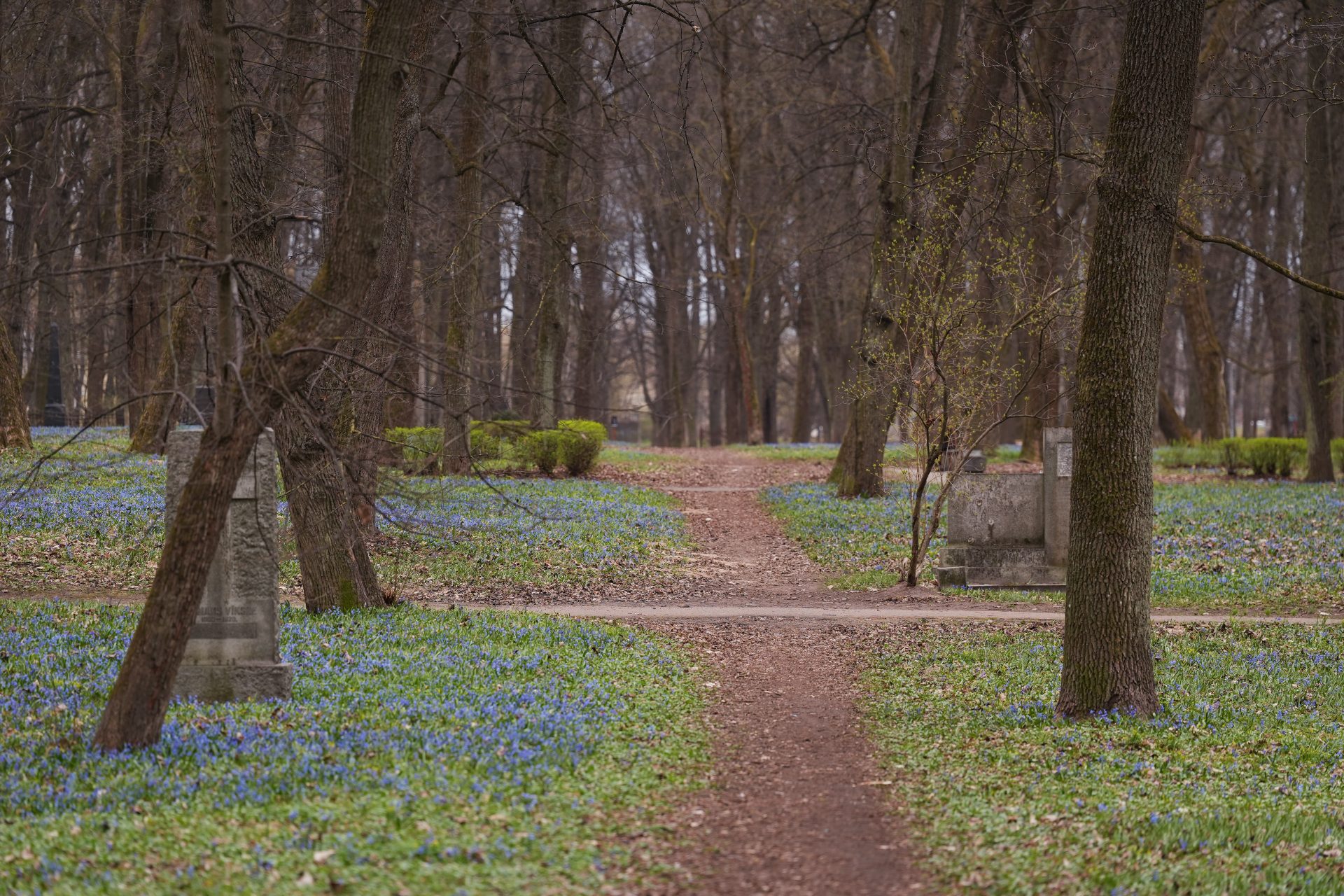
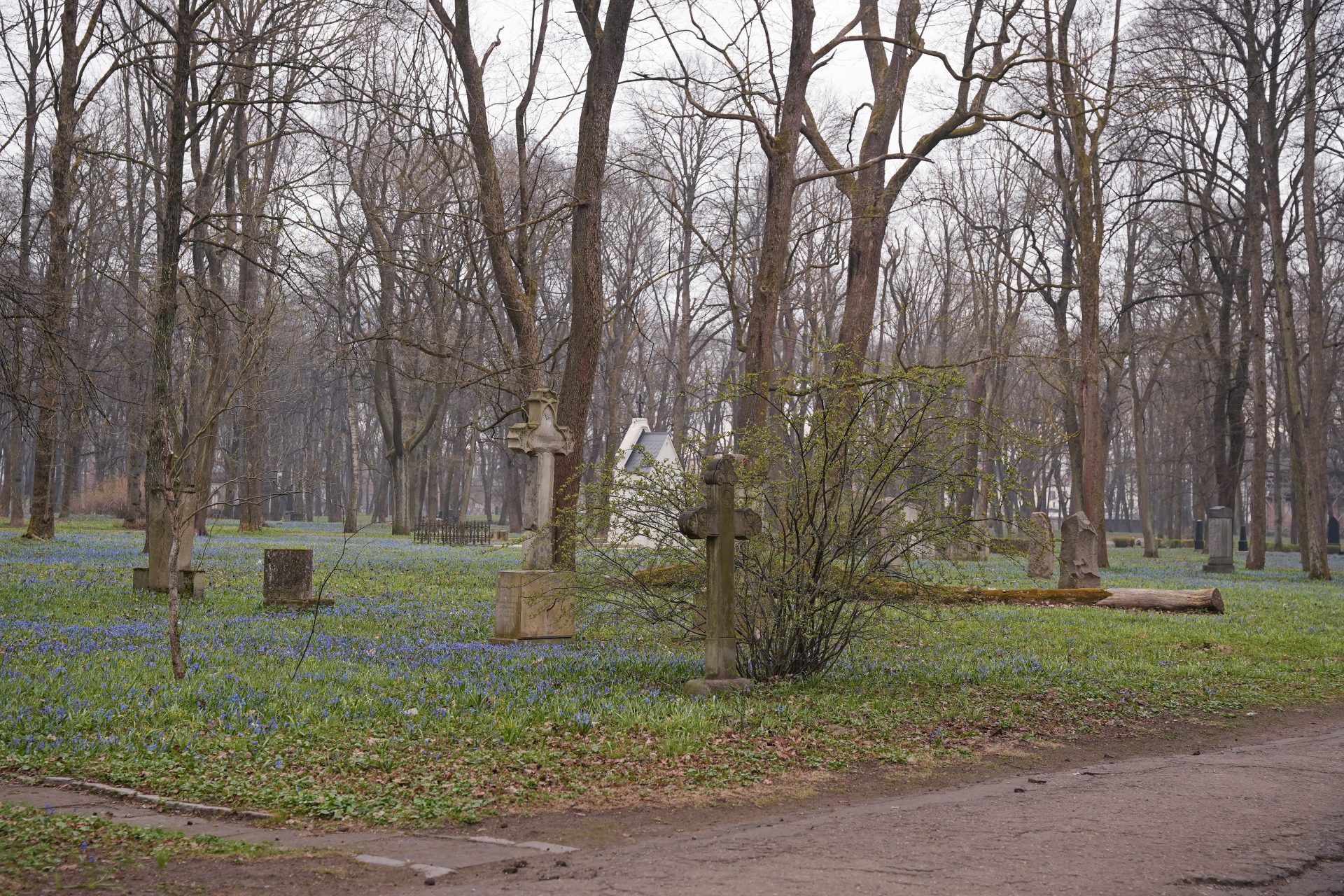
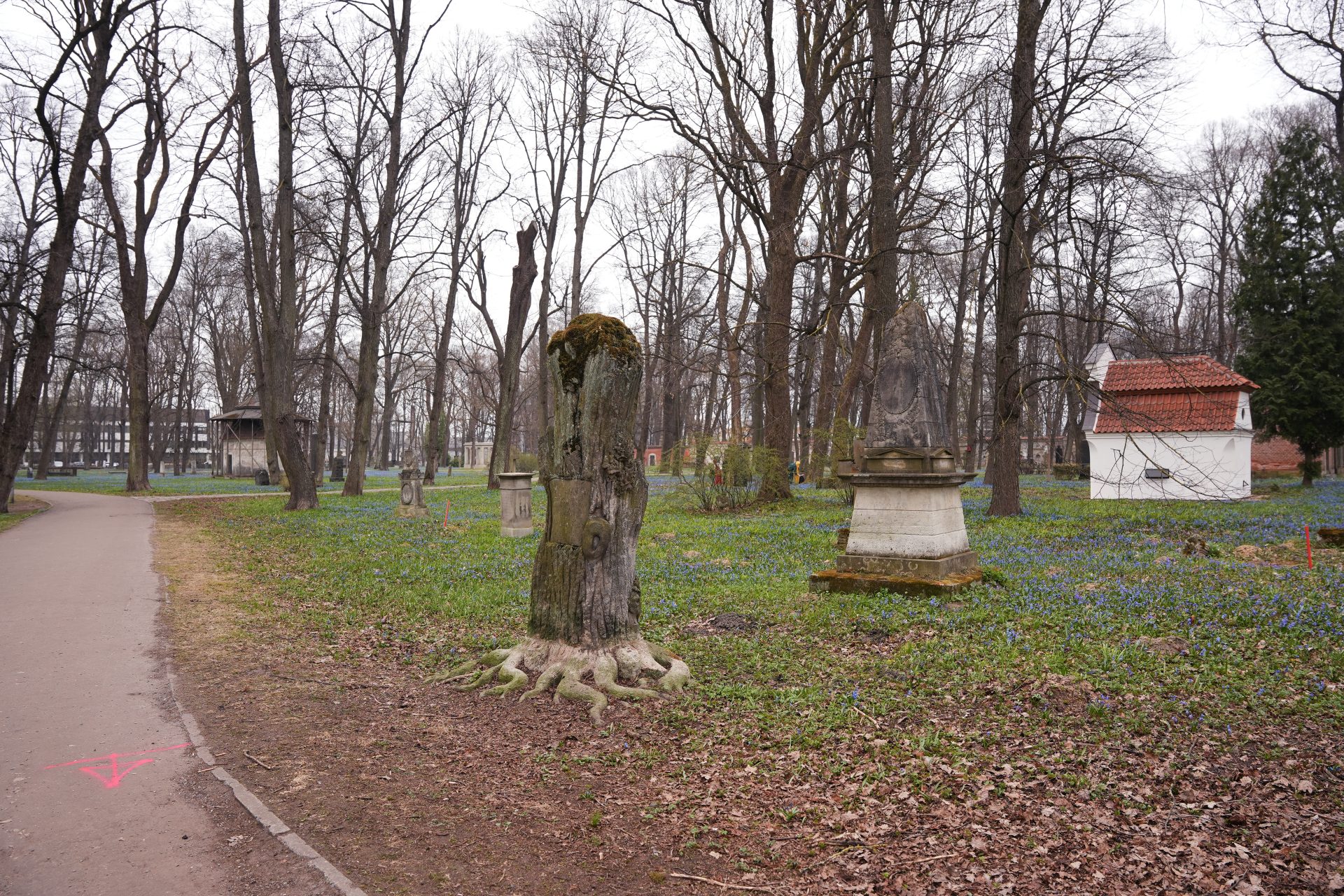
Approach it, and the paths crisscrossing the grassy fields make it clear it’s actually a park.

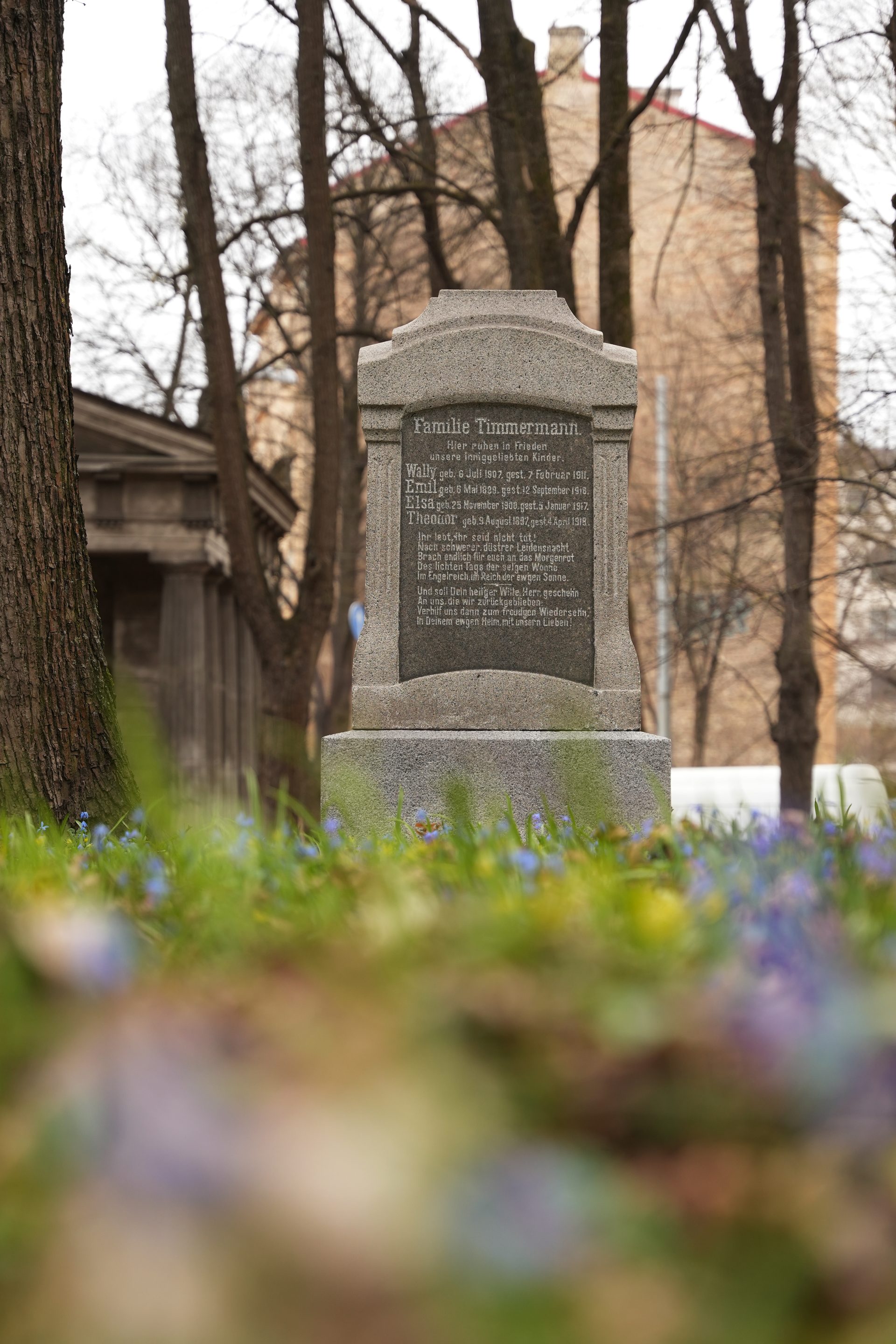
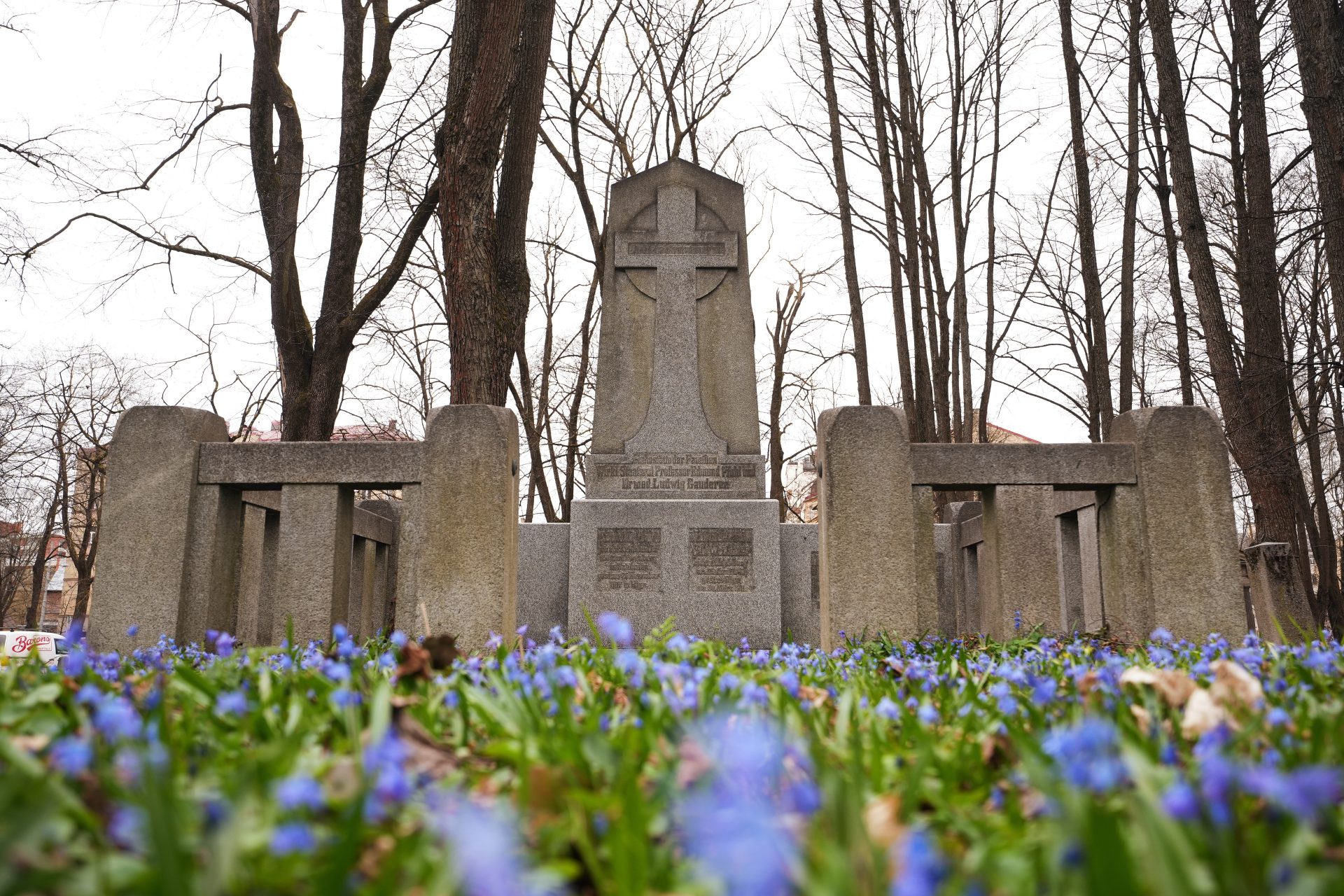
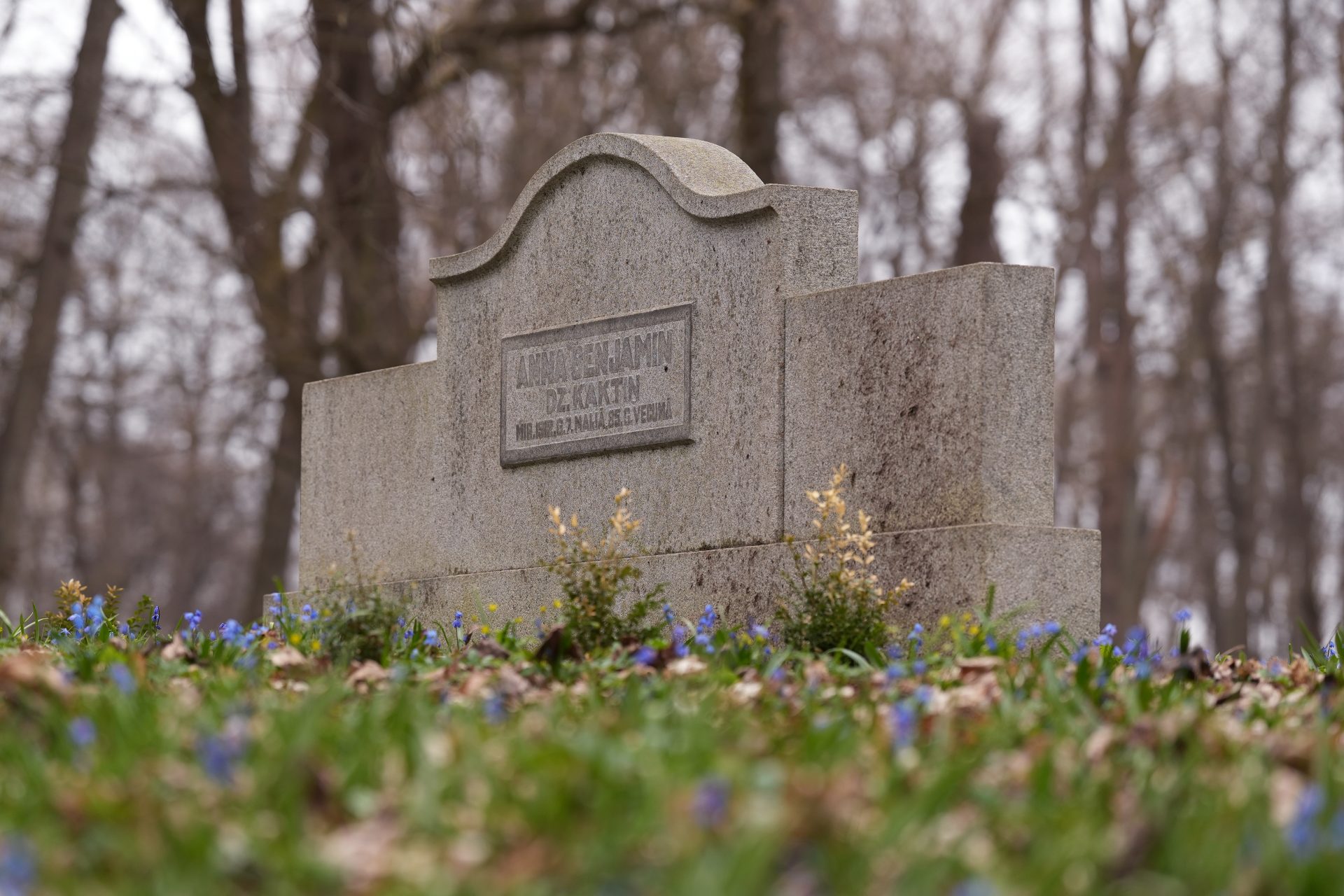
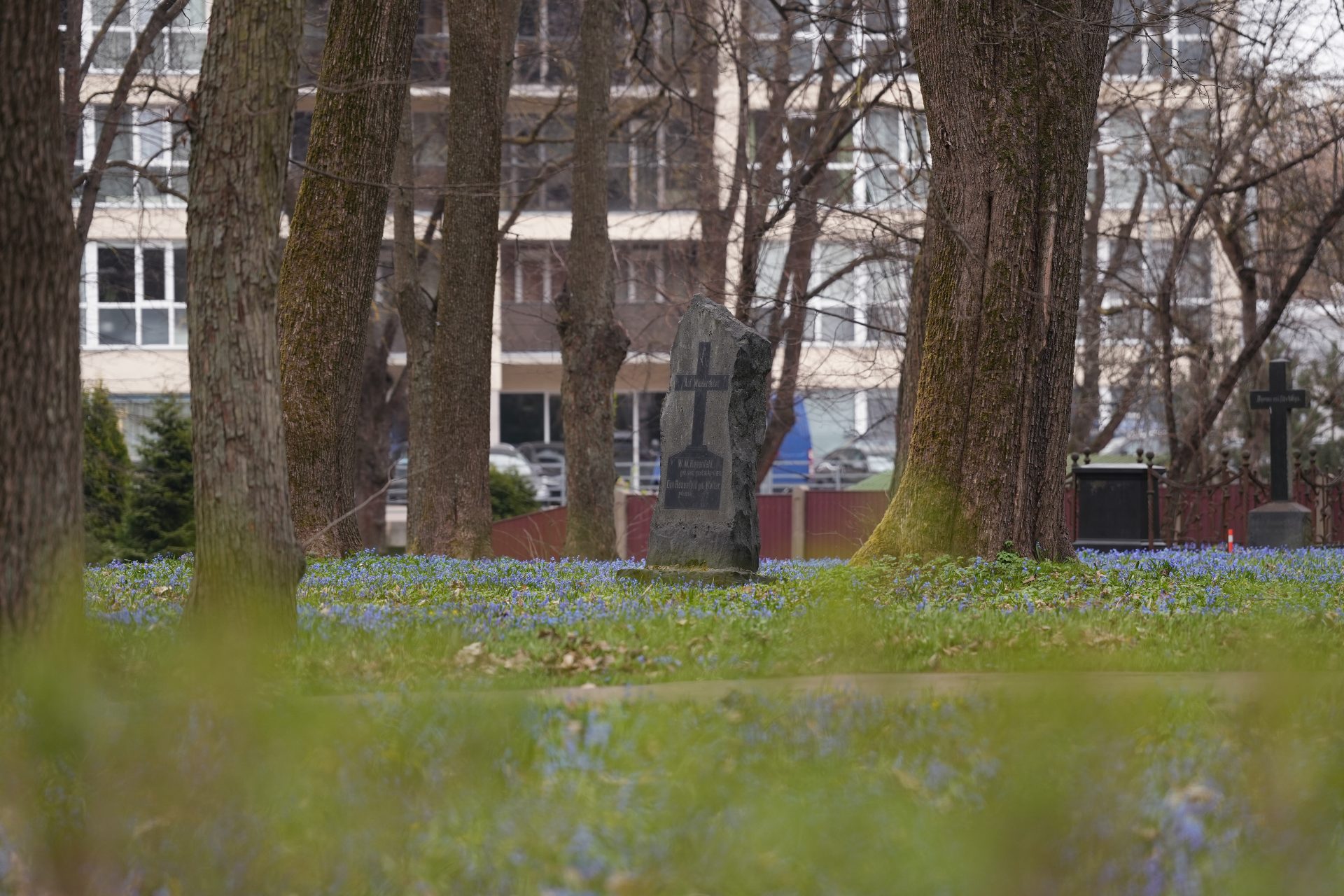
As you enter, tombstones, chapels, and plaques of different eras come into view. A cemetery then?

The truth is, the Great Cemetery in Riga is all of those things and more.

Let’s take a stroll together, shall we?  

0/5 (0 Reviews)

An Emerald of Solace

Take a step into the vast space of the Great Cemetery.

In the summer, you’ll be welcomed by the scent of freshly mown grass, cool shade, a gentle breeze, and seemingly endless greenery.

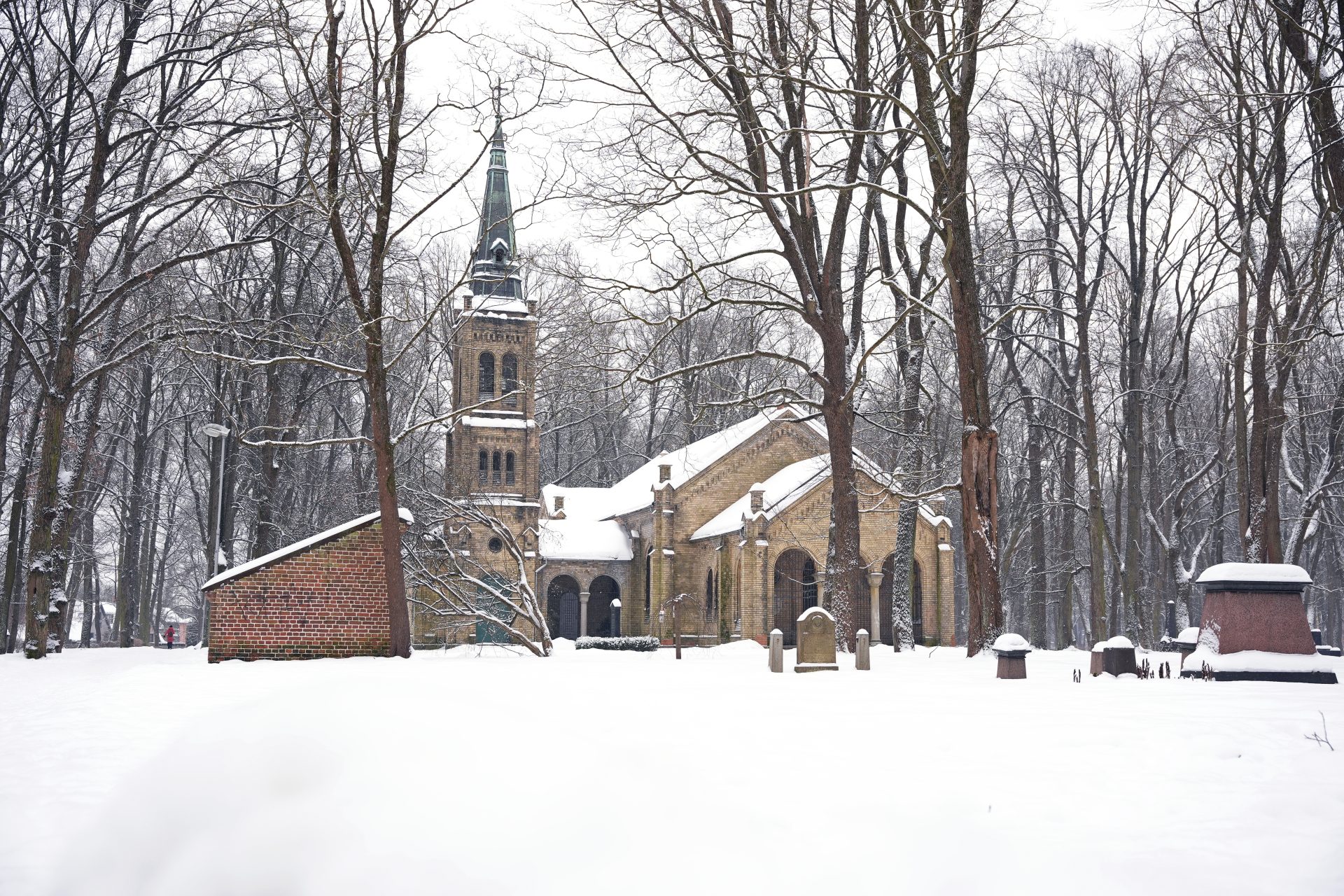
In winter, it is a white wonderland of crunching snow under your feet with the bare trees letting all the light from the sky in day and night.

“What speaks to me most is that it somehow feels like time is not linear in the Great Cemetery of Riga. I, too, can find myself in a different era.” 

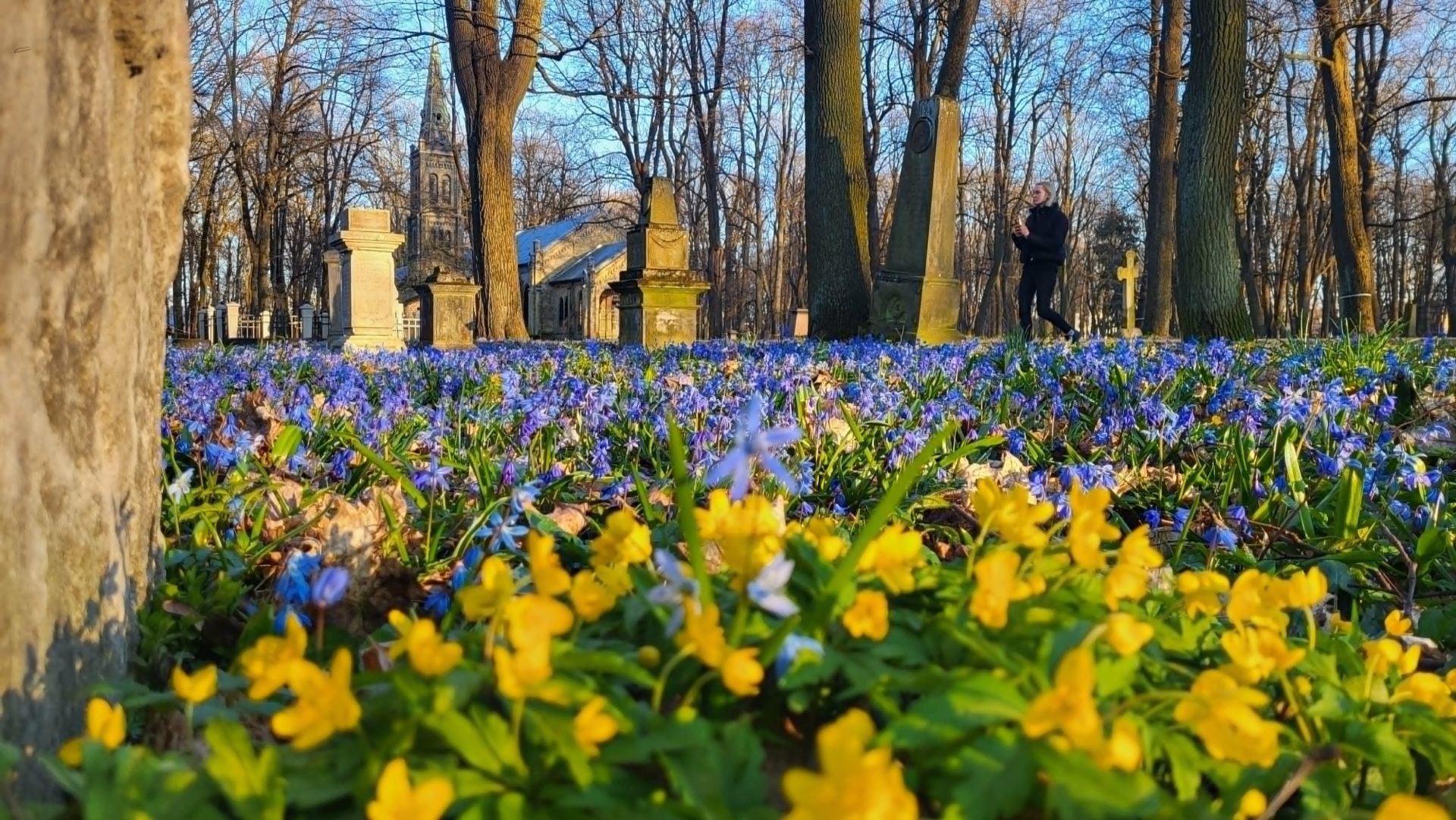
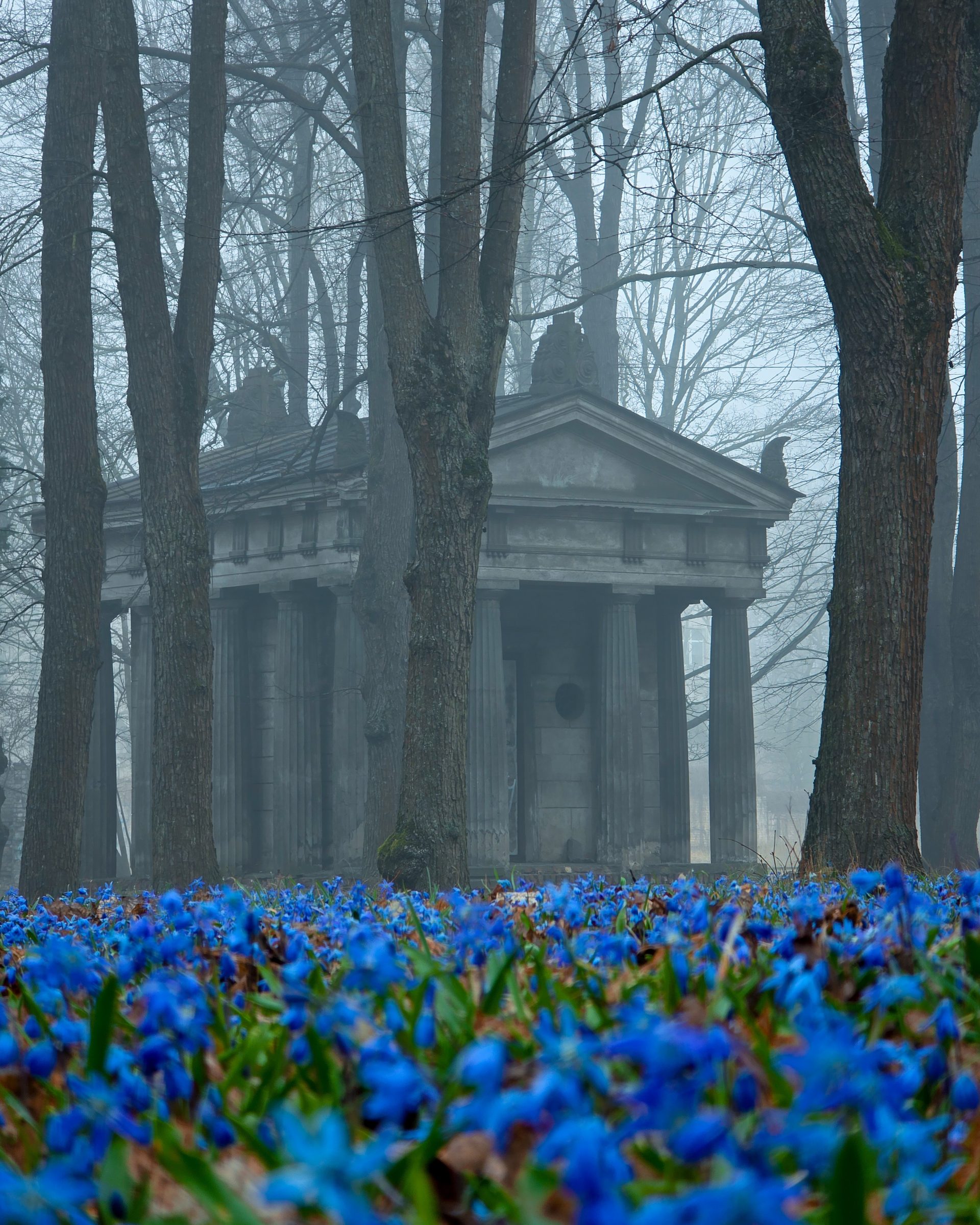
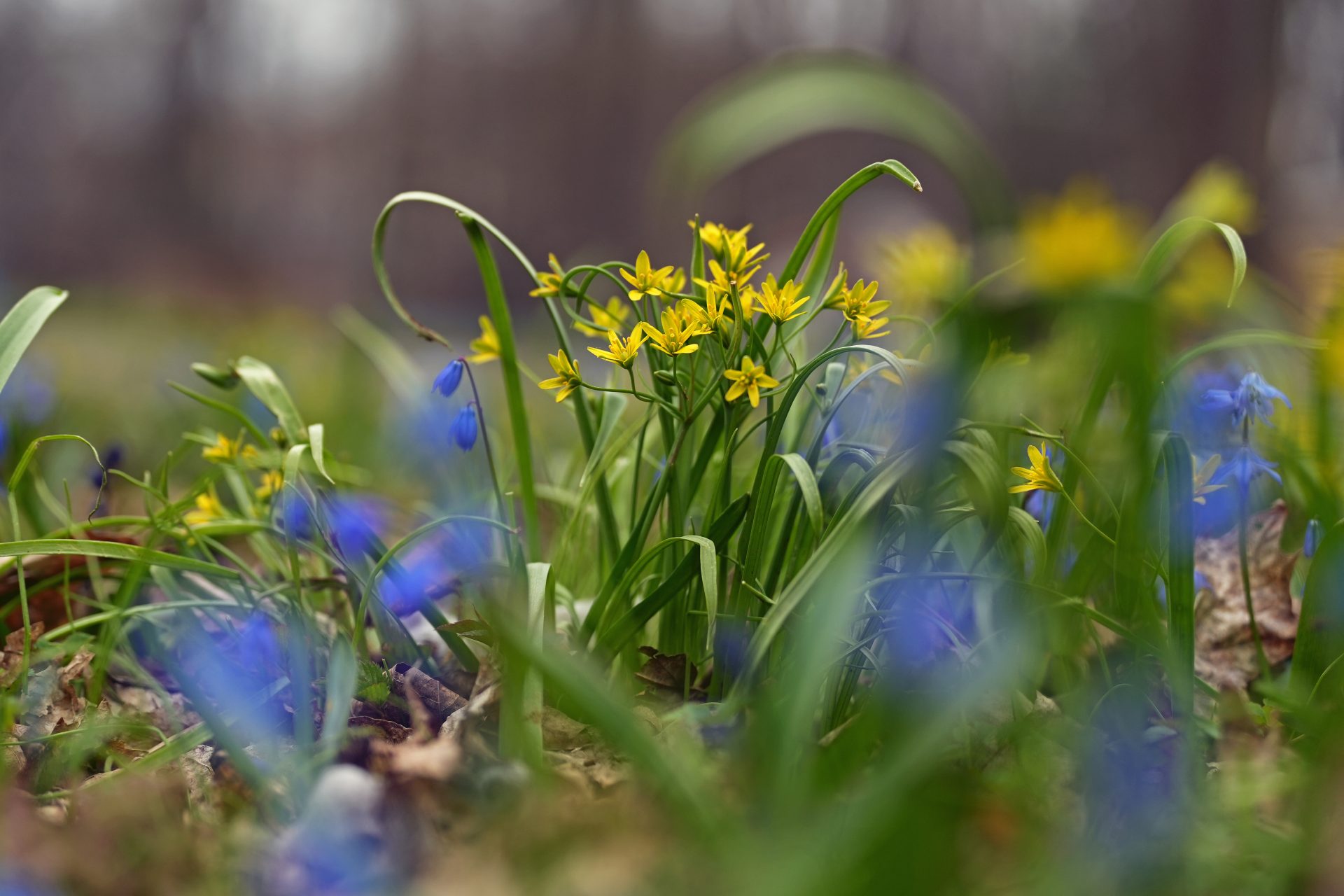
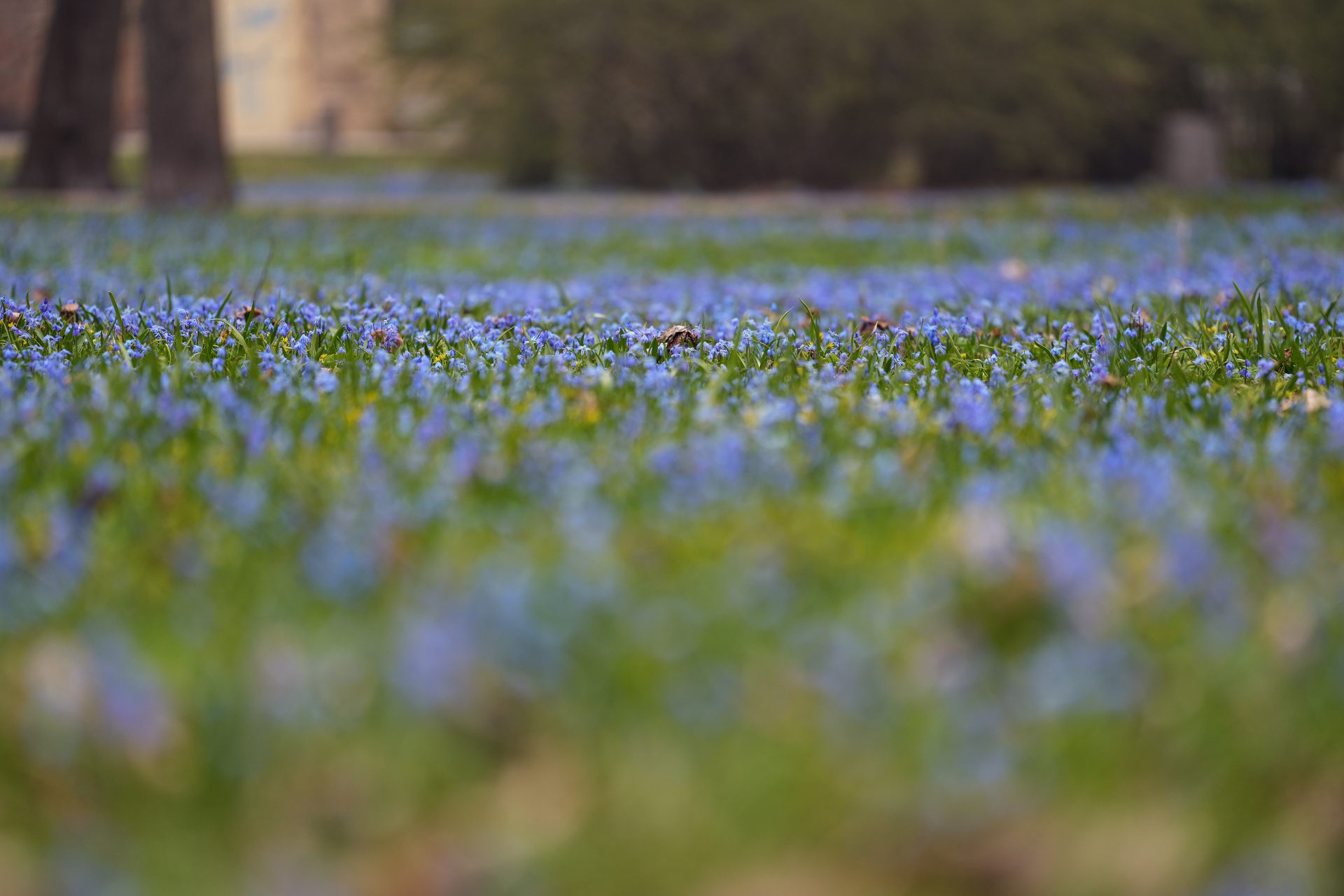
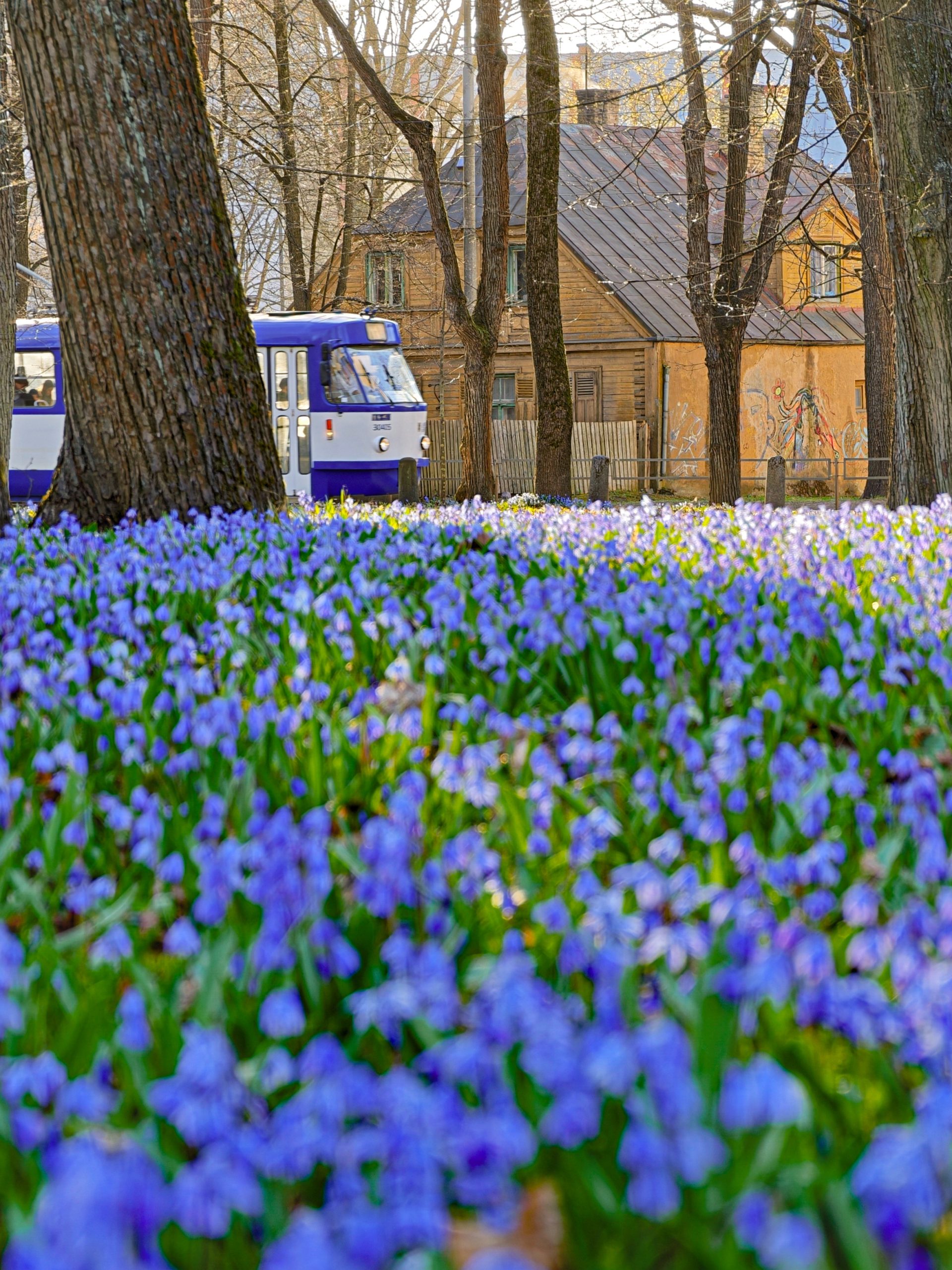
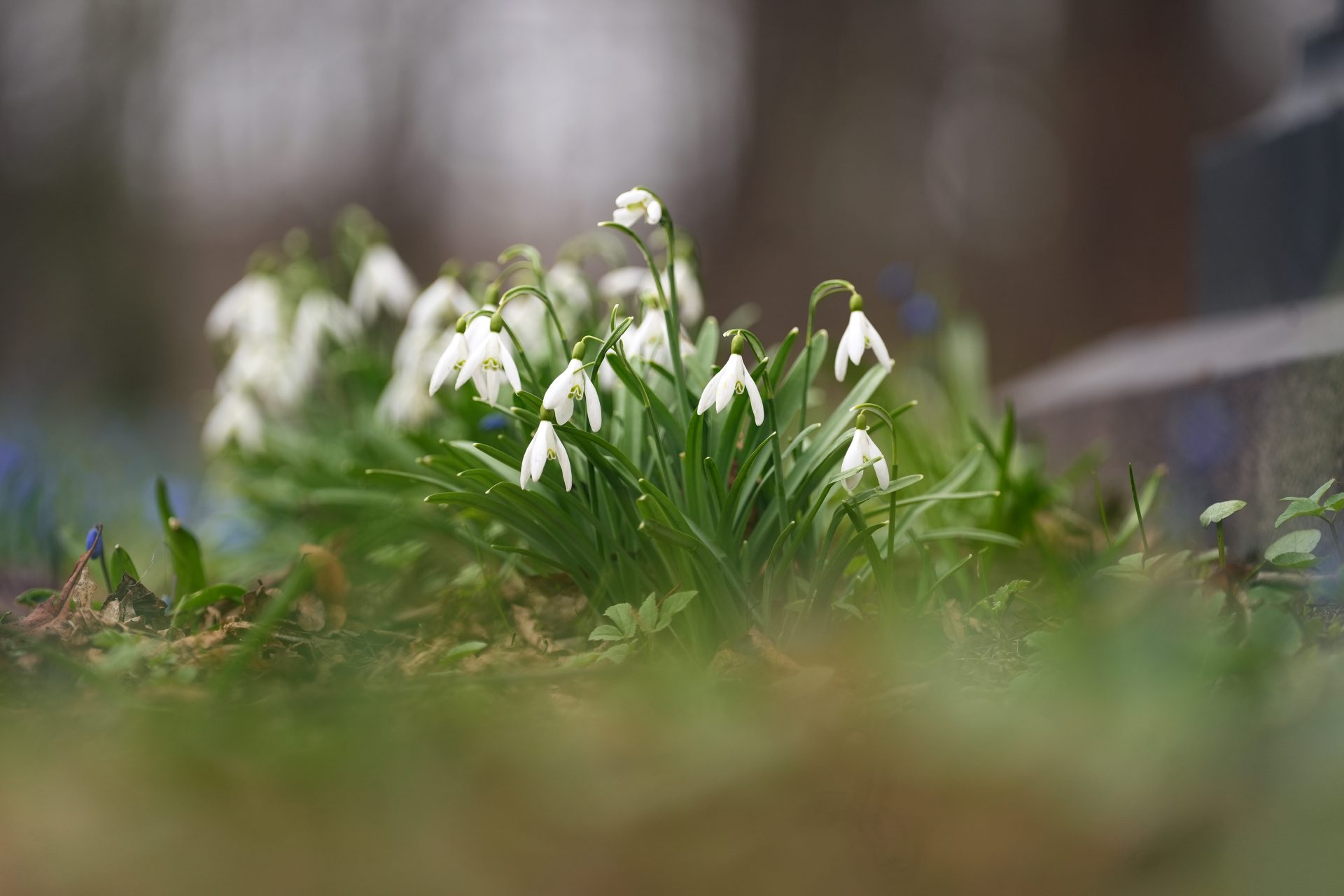
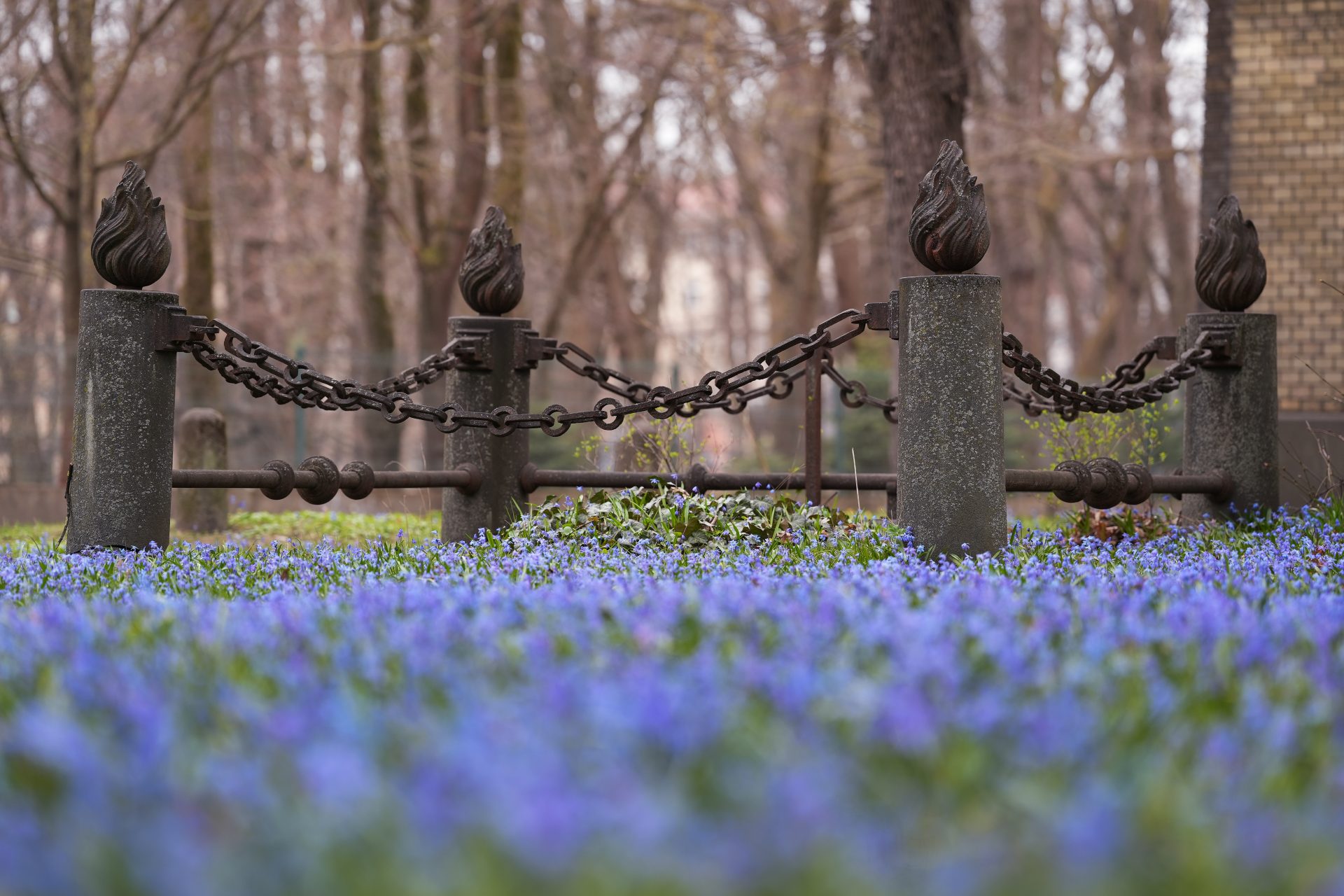
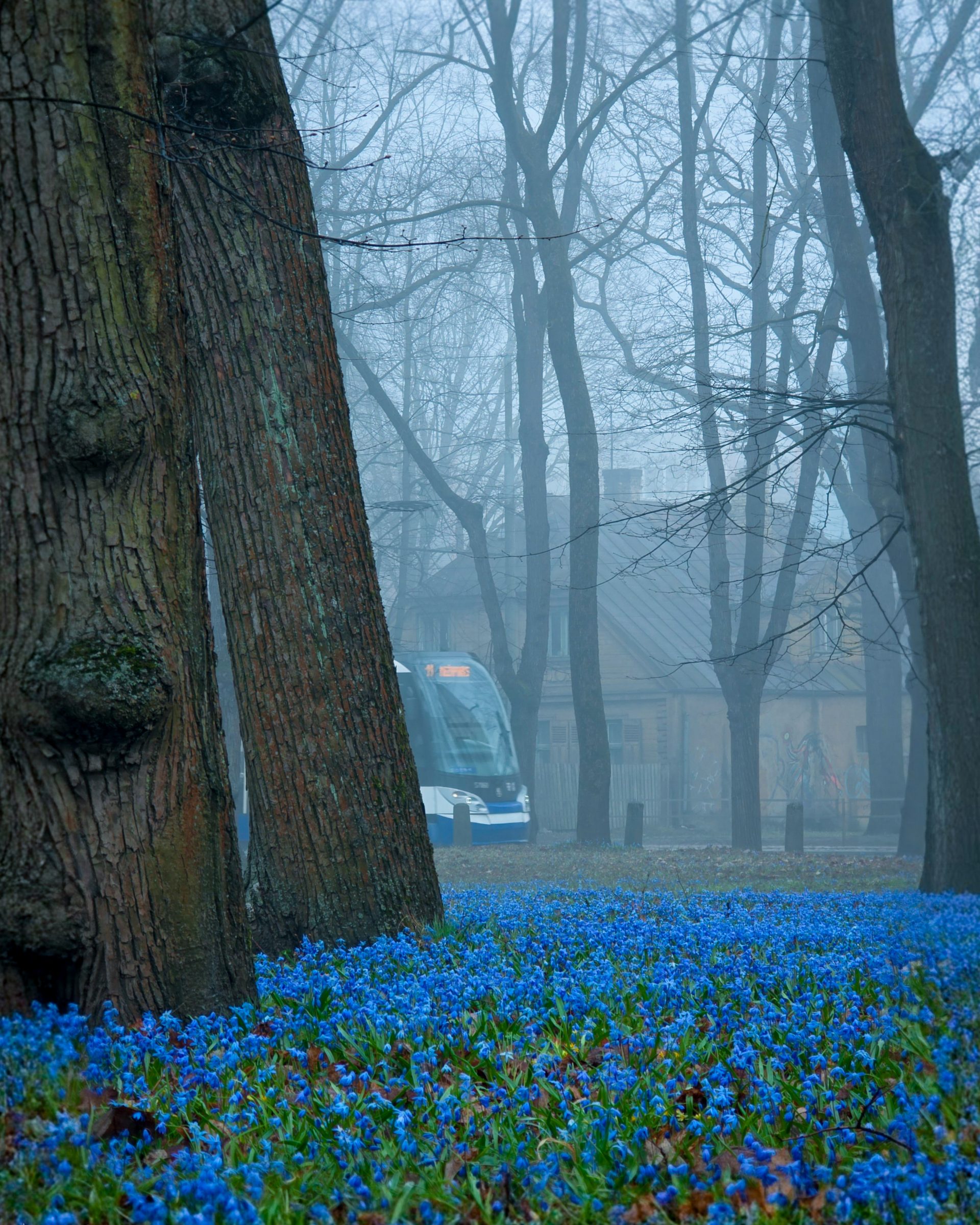
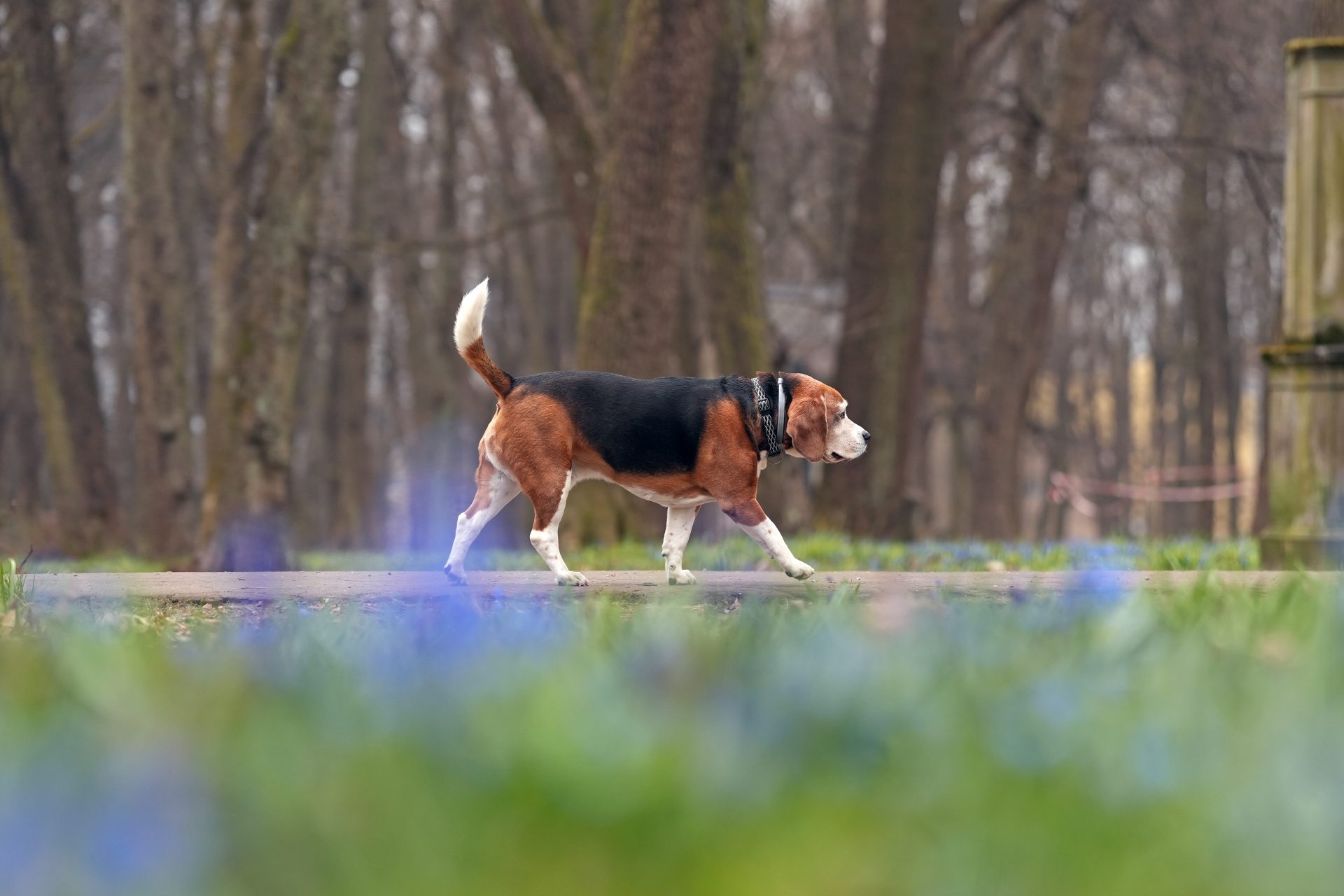
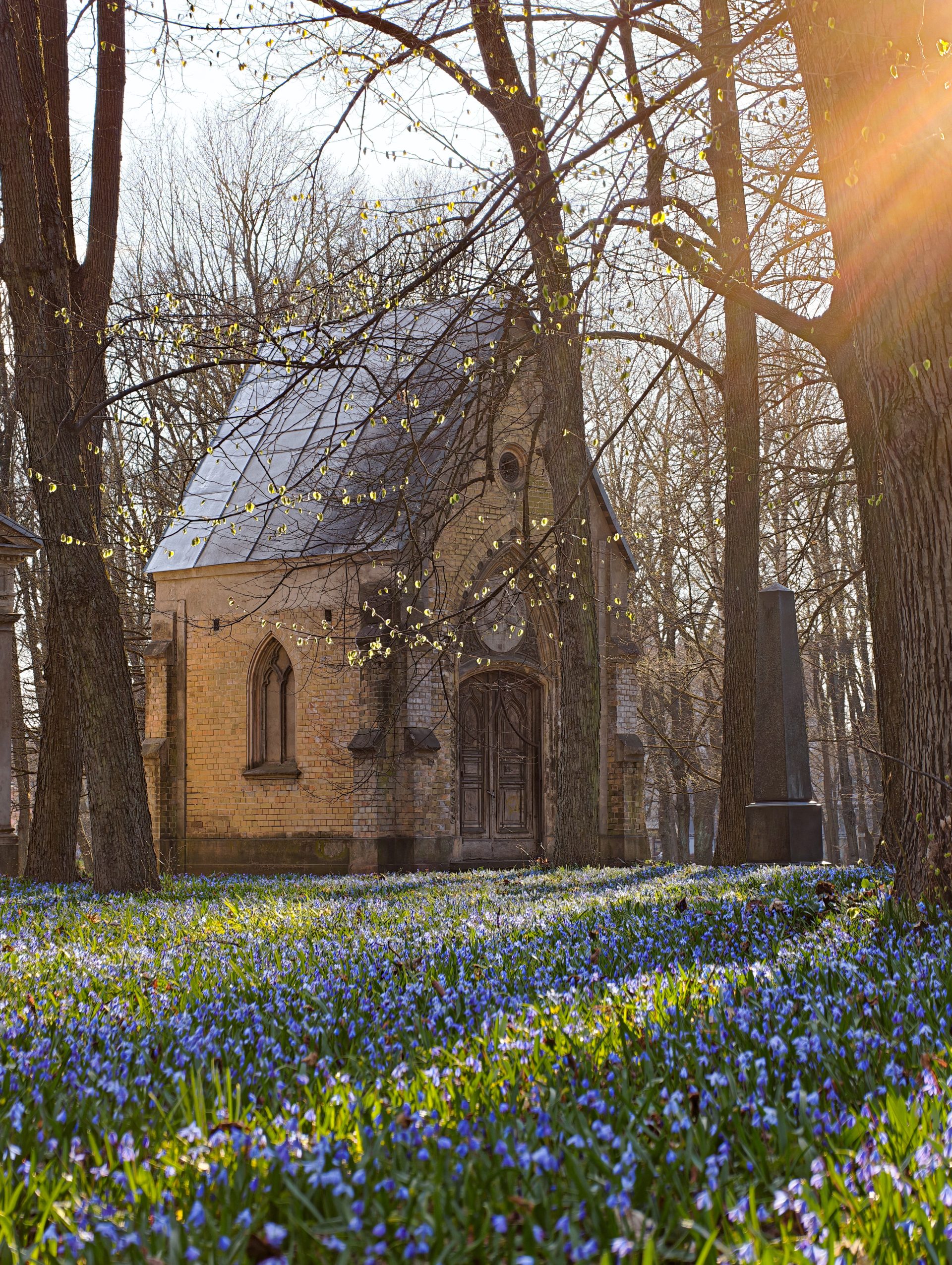
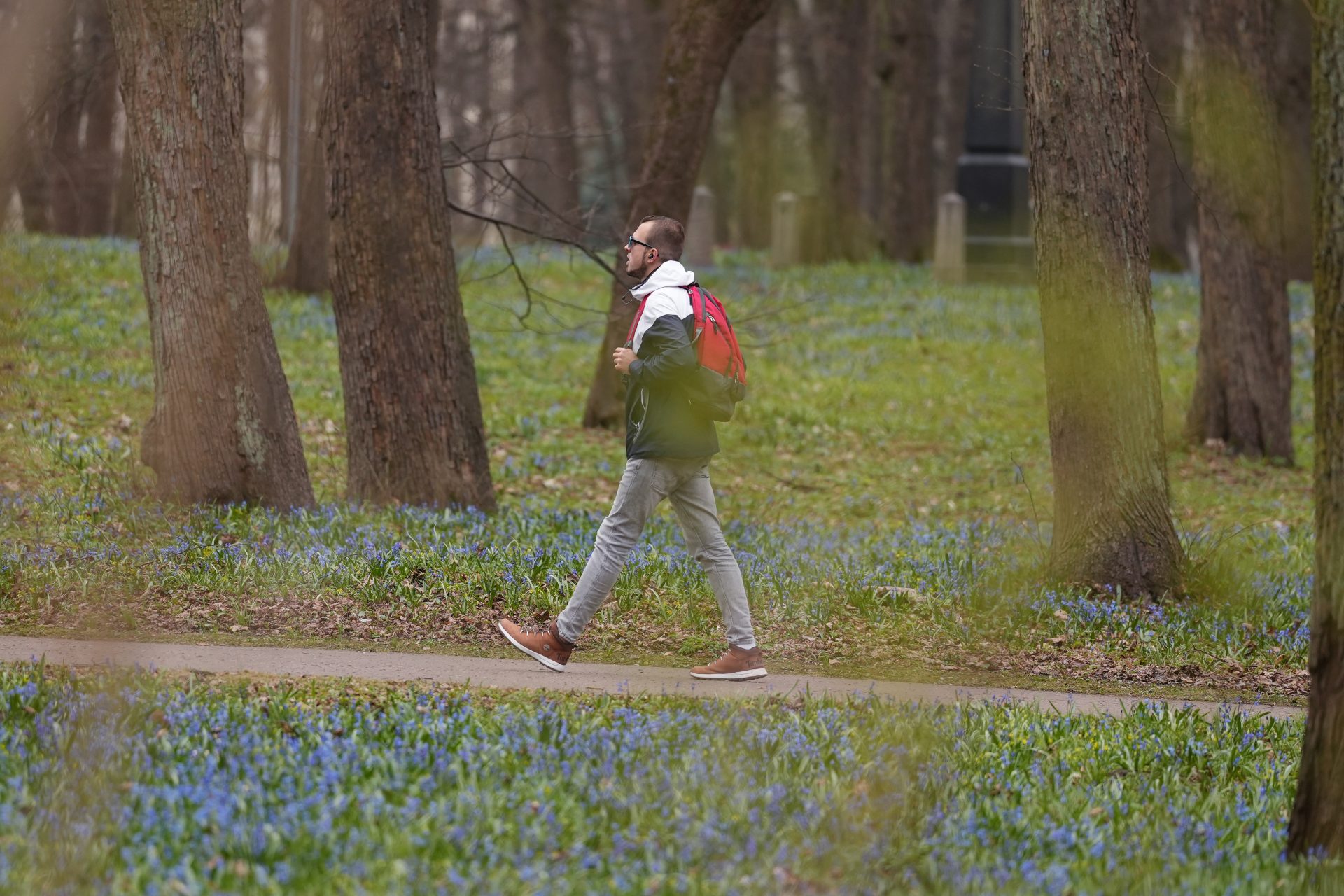
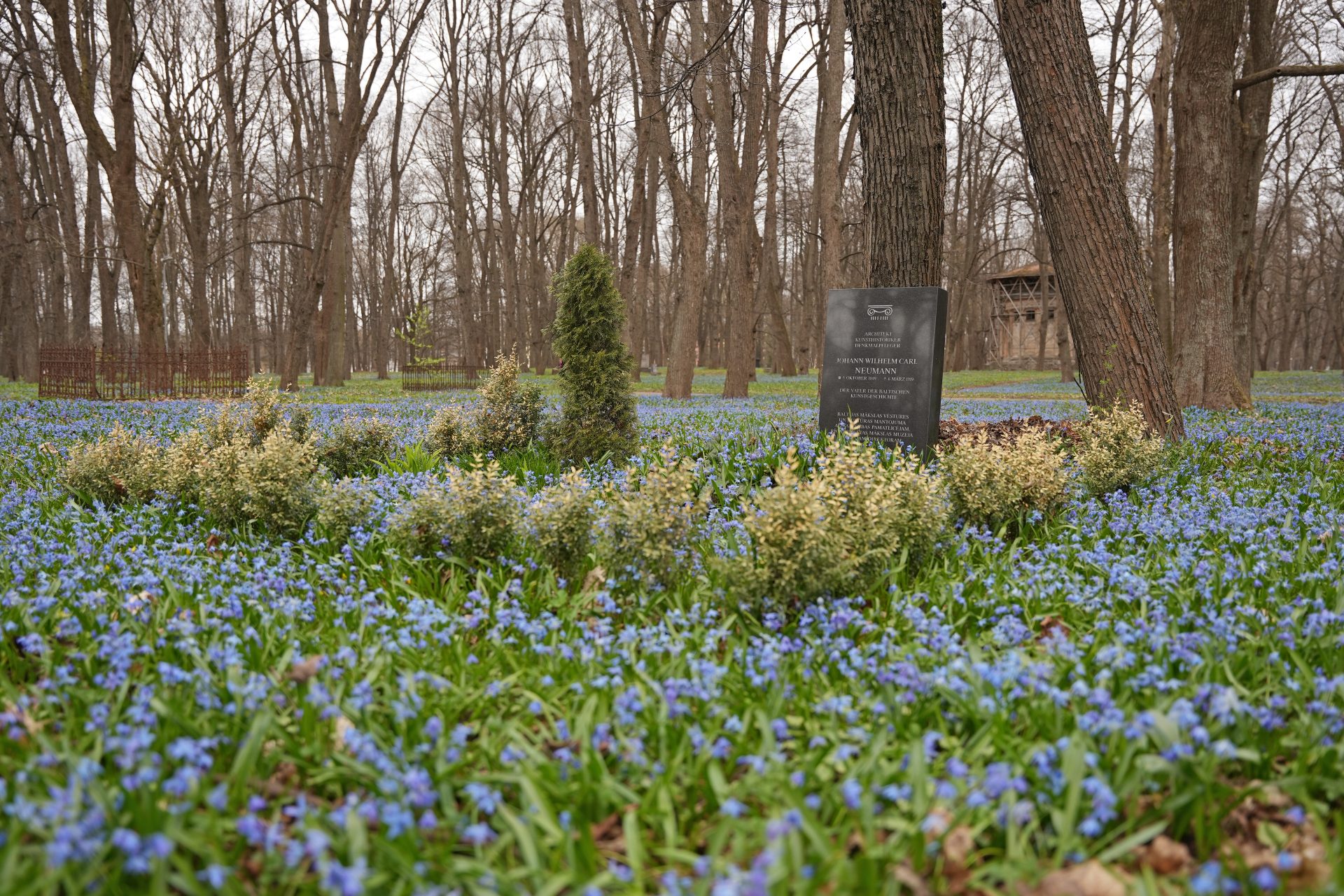
Stroll through the Great Cemetery in April and your breath just might catch. A dense, blue carpet of tiny flowers covers the ground as far as the eye can see. For a moment, this bursting of Siberian bluebells is the star, and half of the population in Riga become the paparazzi trying to capture its beauty.

Whatever the season, the Great Cemetery of Riga is a place of solace.

0/5 (0 Reviews)

Beneath the Surface

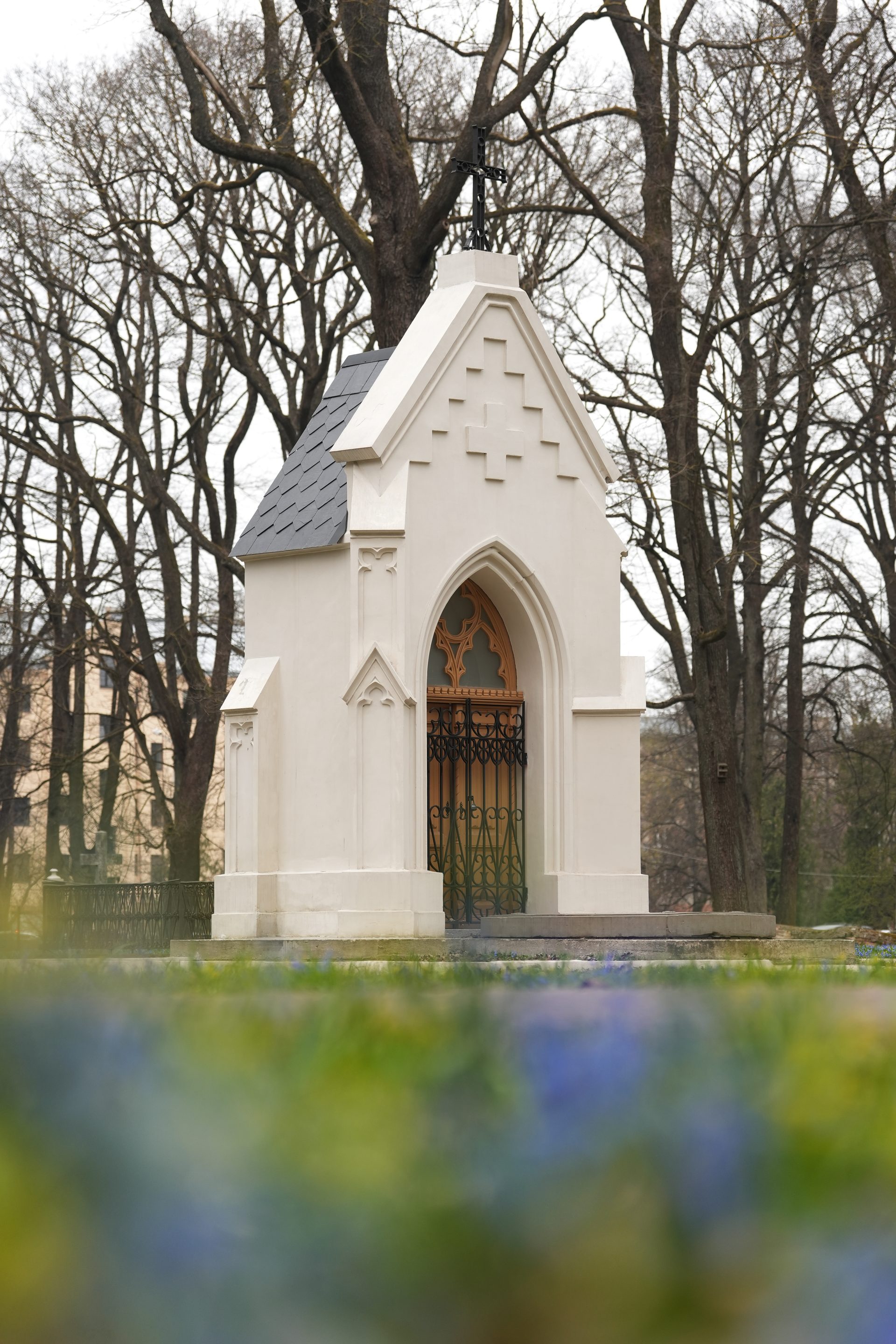
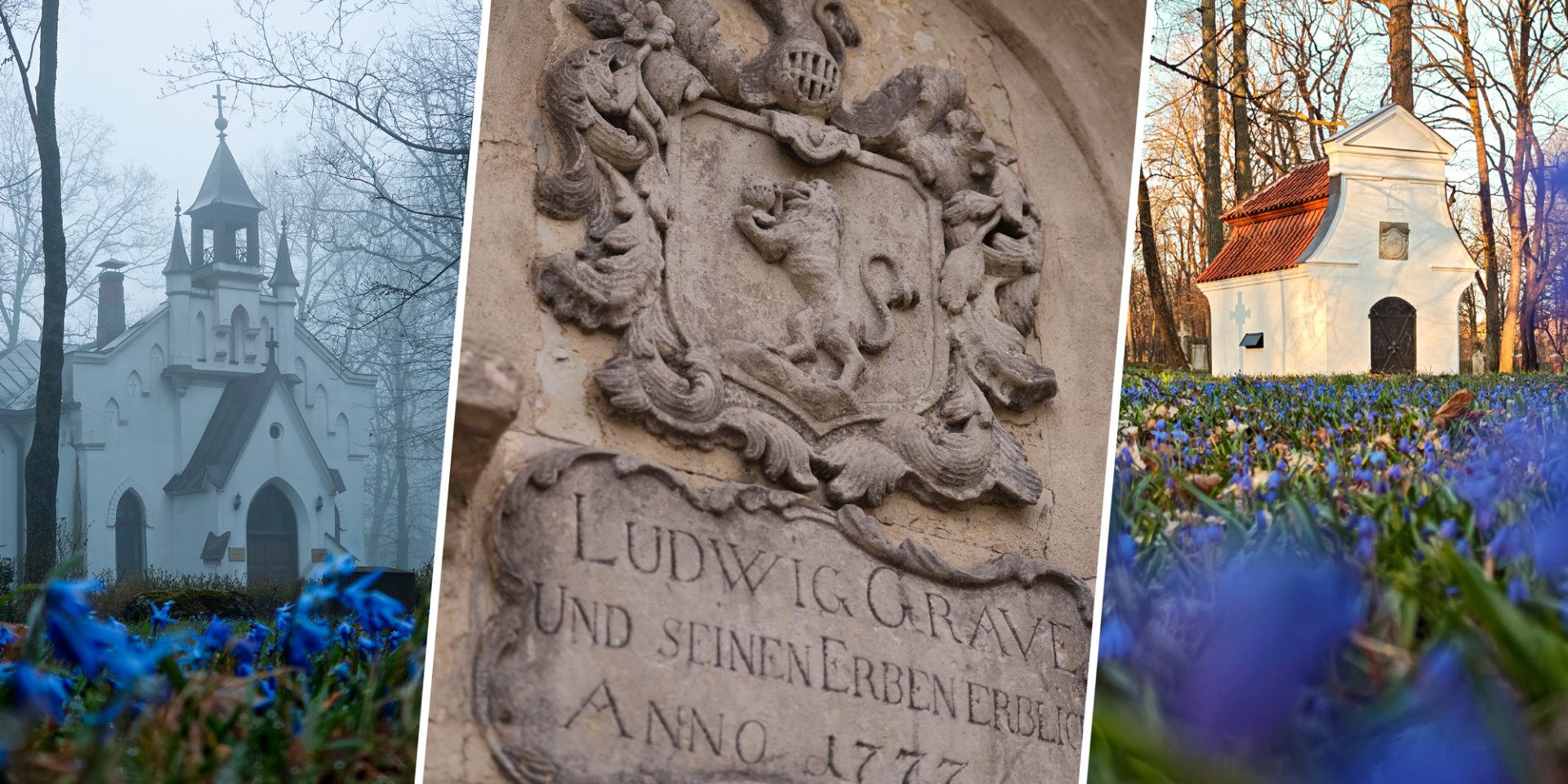
As you pass another weathered chapel, it’s easy to wonder what lies beneath it.

As Rita Eva Našeniece, one of the founders of Friends of the Great Cemetery Riga, explains:

“There’s a vast and fragile world under the cemetery, where the underground structures are far more extensive than what we can see above. It’s an endless source of discovery.” 

Activists of the site advocate for renovation, organize voluntary cleanups, and post fascinating research stories about the history of the place in their Facebook group.

One post uses an AI reconstruction to show what a typical underground crypt once looked like. Along its walls, it has shelves for coffins, a built-in ventilation system, and a vault enclosing it just under the surface of the earth.

Many similar crypts and vaults may still lie undiscovered or have been lost to history forever.

One of the Great Cemetery’s biggest mysteries is a lost underground crypt. In 1823, after the burial site beneath the Green Chapel was closed, the remains of more than a hundred Riga residents were reburied elsewhere in the cemetery. Historical records and a memorial cross once marked the site, yet nobody knows where it is today.

It is just one of the many stories that continues to intrigue historians.
0/5 (0 Reviews)

“There’s also the question of the Row chapels, where local residents recall being able to move through an underground tunnel in their childhood either along part of it or its entire length,” Rita shares.

But even if some secrets stay buried, there’s still plenty for you to discover.
0/5 (0 Reviews)

Did you know?  

The Great Cemetery of Riga is actually three cemeteries: Lutheran, Roman Catholic, and Orthodox Christian. Together, they reflect Riga’s history as a cosmopolitan European metropolis of the 18th and 19th century, where Latvians, Germans, Dutch, English, French, Russians, and many other communities lived and were eventually laid to rest.

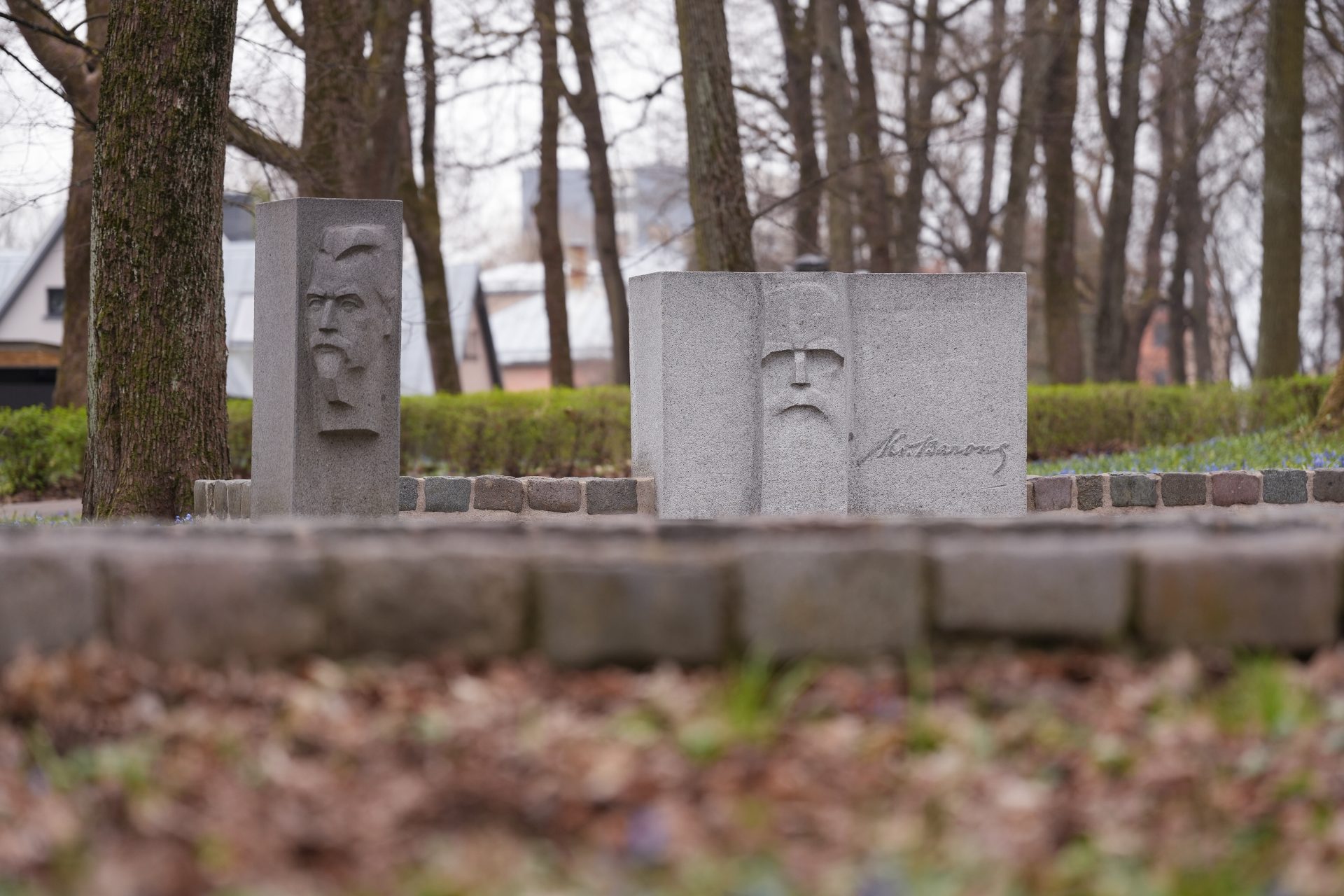
You can come here to visit the memorial sites of prominent historical figures of first Latvian national revival like Krišjānis Barons, Andrejs Pumpurs, Krišjānis Valdemārs, and many more.

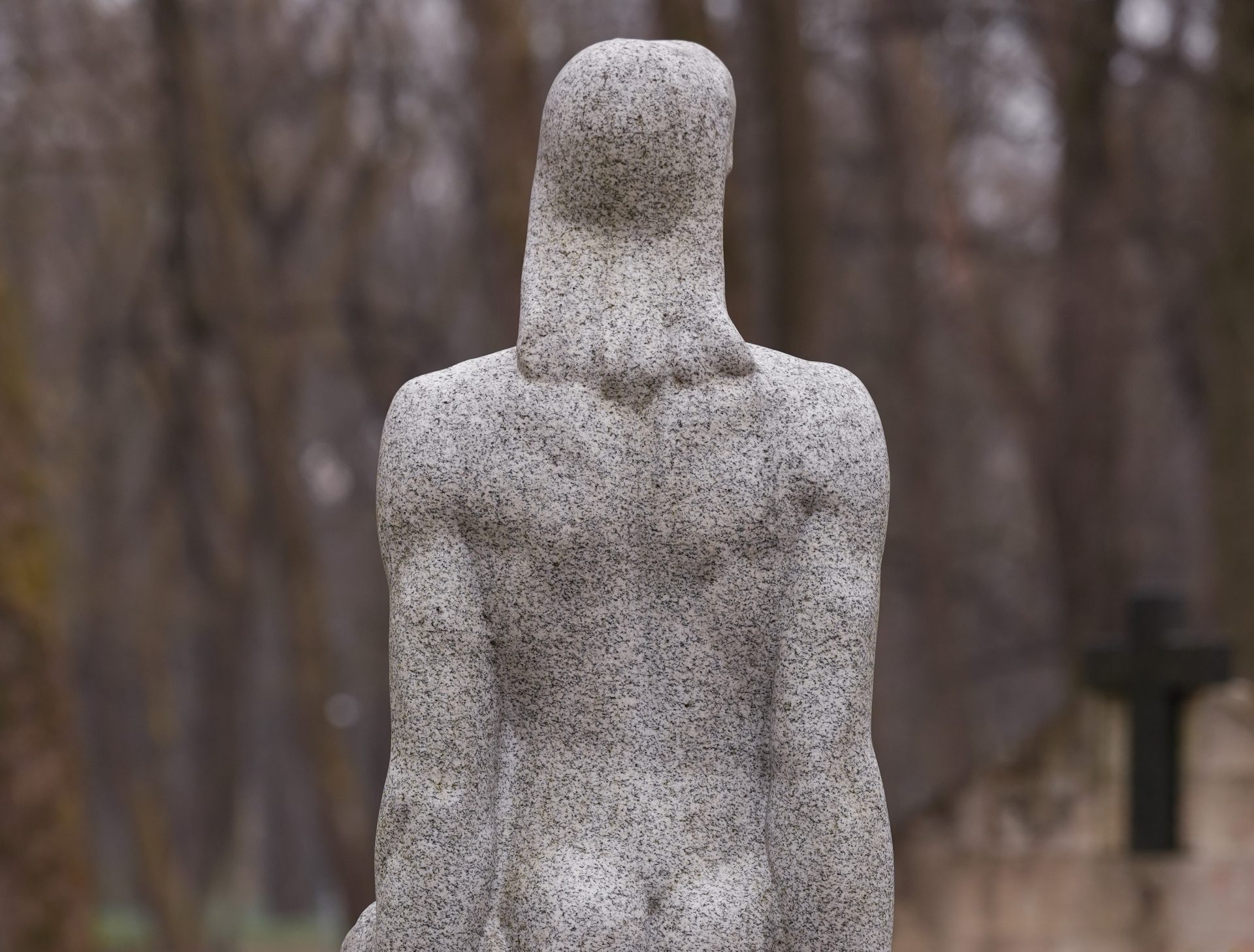
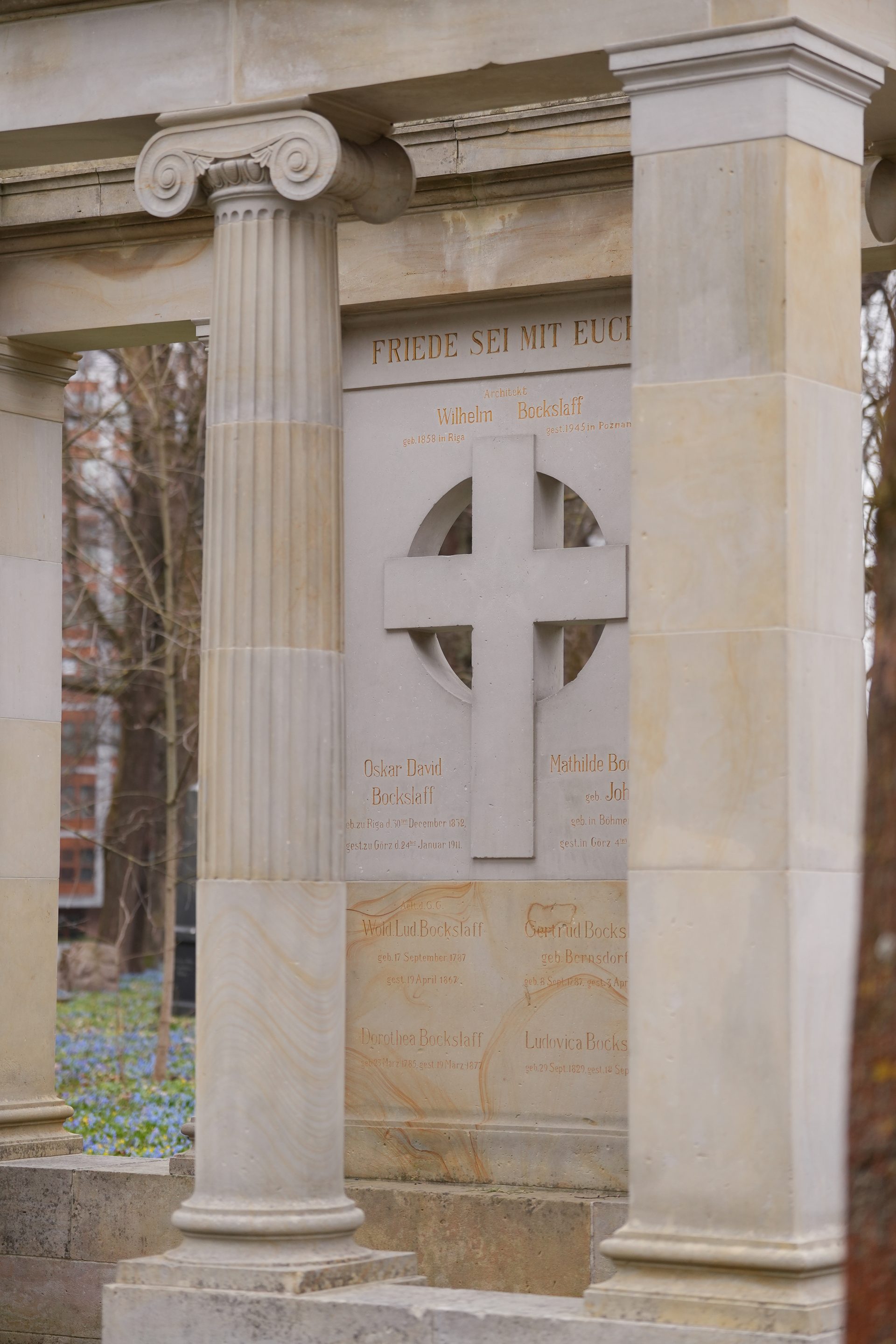
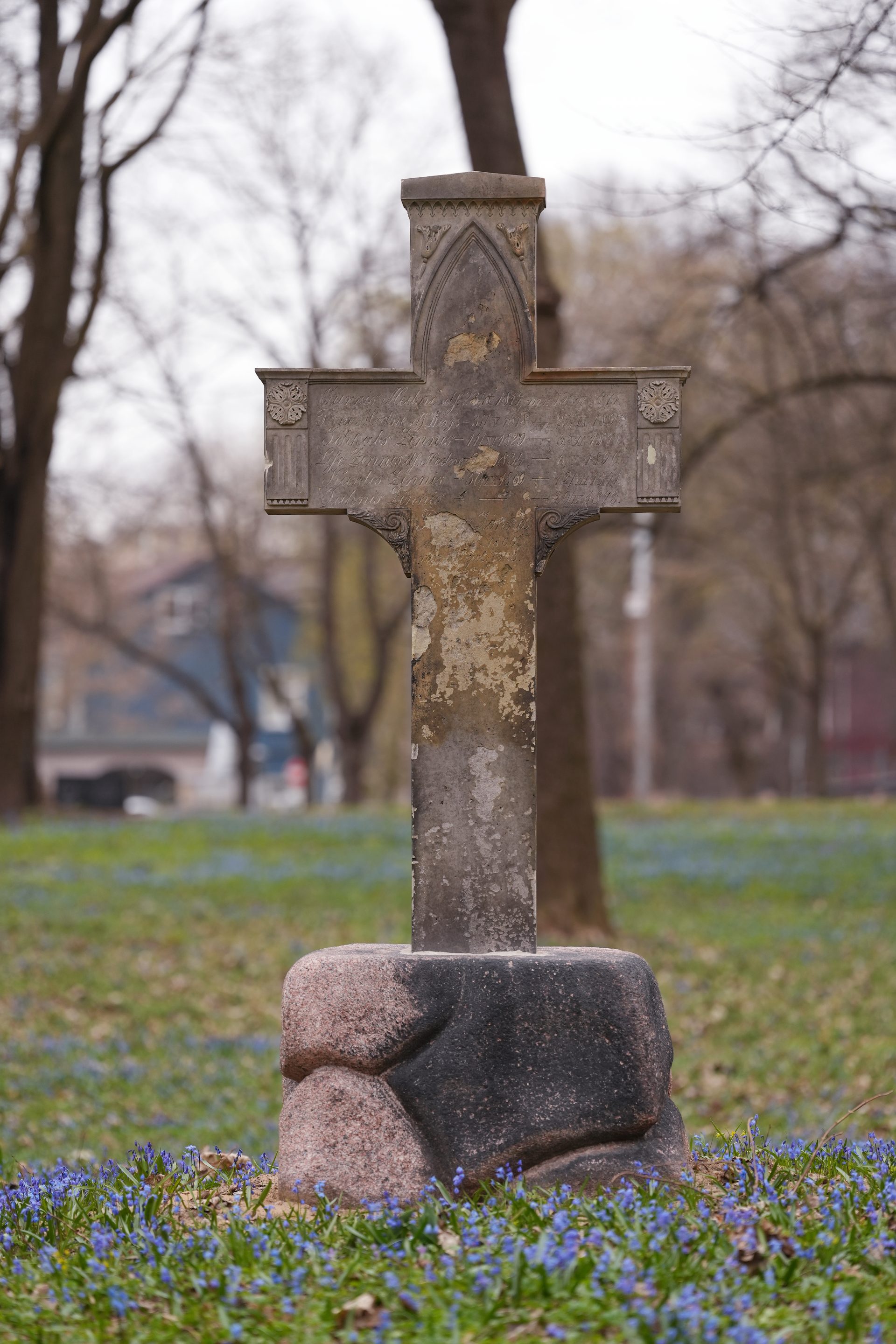
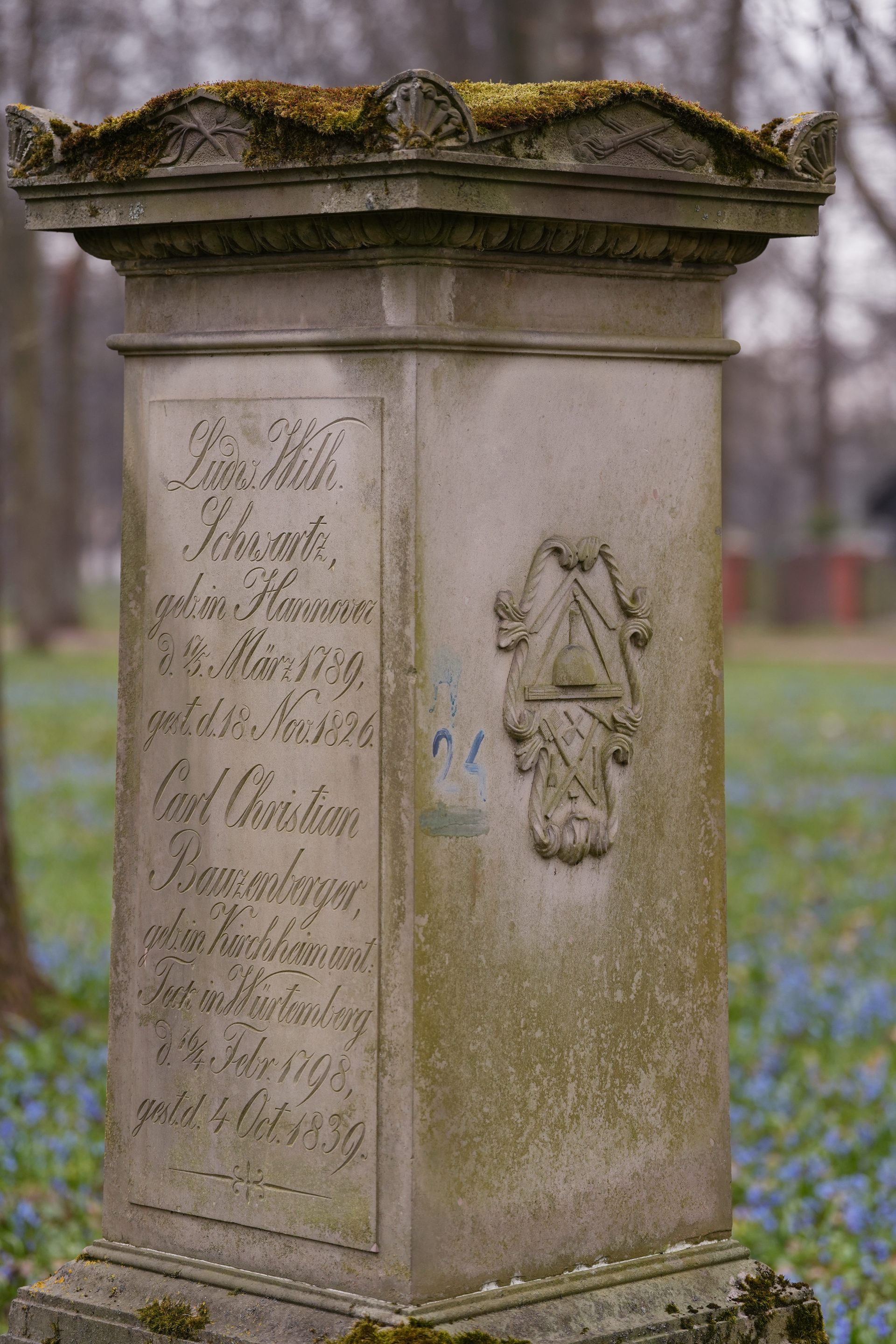
Many tombstones here are intricate works of art. You can witness both the scars left by the Soviet period in bricked up chapels and half-destroyed monuments and the healing of the newer restorations rising beside them. And the peaceful, ordinary life of the city with scooters, joggers, and dog walkers moving through. The layers of history are palpable here.

0/5 (0 Reviews)

So, when are you coming for a visit? 

0/5 (0 Reviews)
Comments (0)