Should choosing a career really start with a dream of “who you want to become”?
How do you talk to someone you disagree with, without getting into a fight?
Is your salary fair—and does your employer agree?
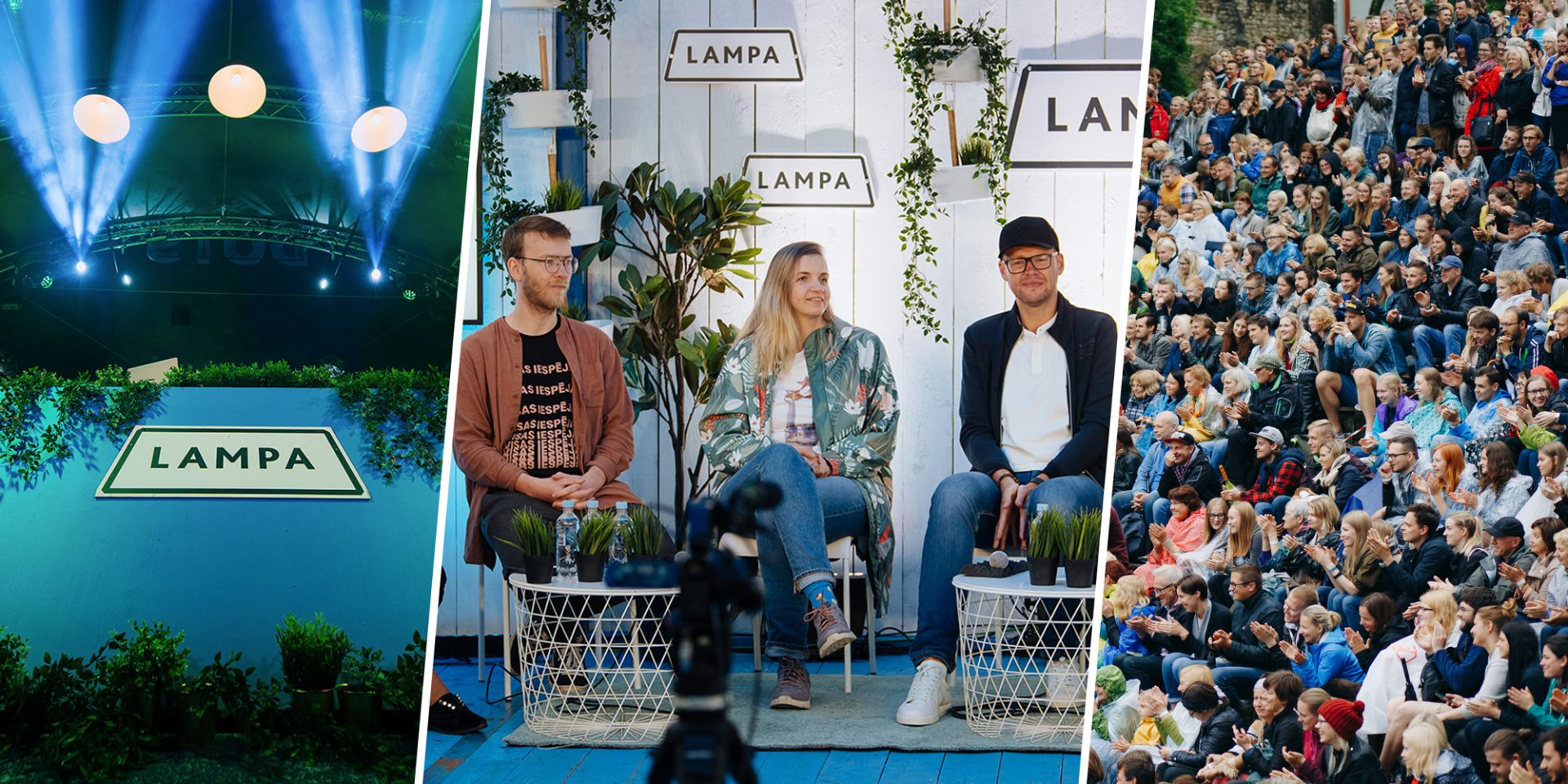
© LAMPA publicity photo
Should choosing a career really start with a dream of “who you want to become”?
How do you talk to someone you disagree with, without getting into a fight?
Is your salary fair—and does your employer agree?
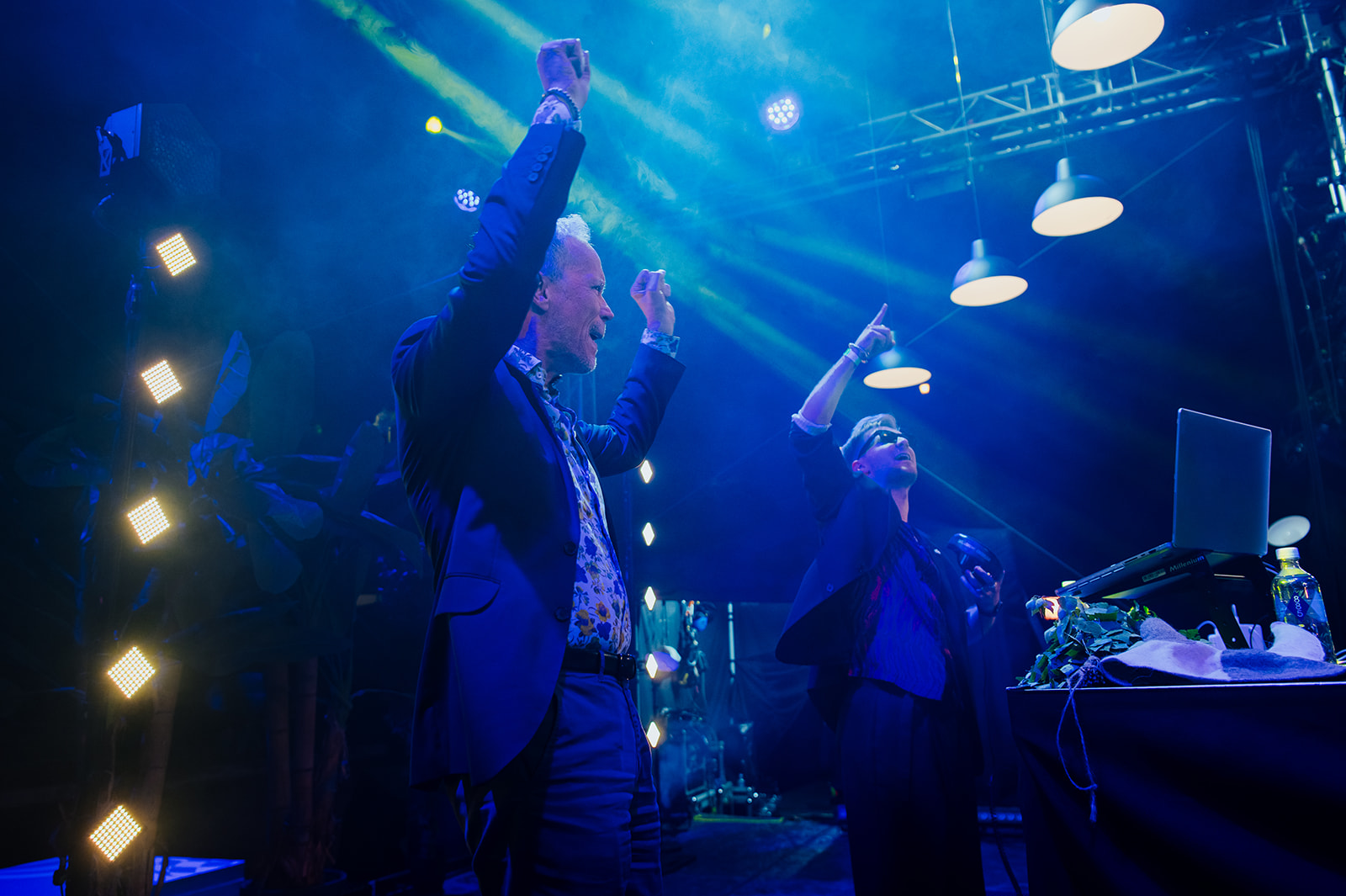
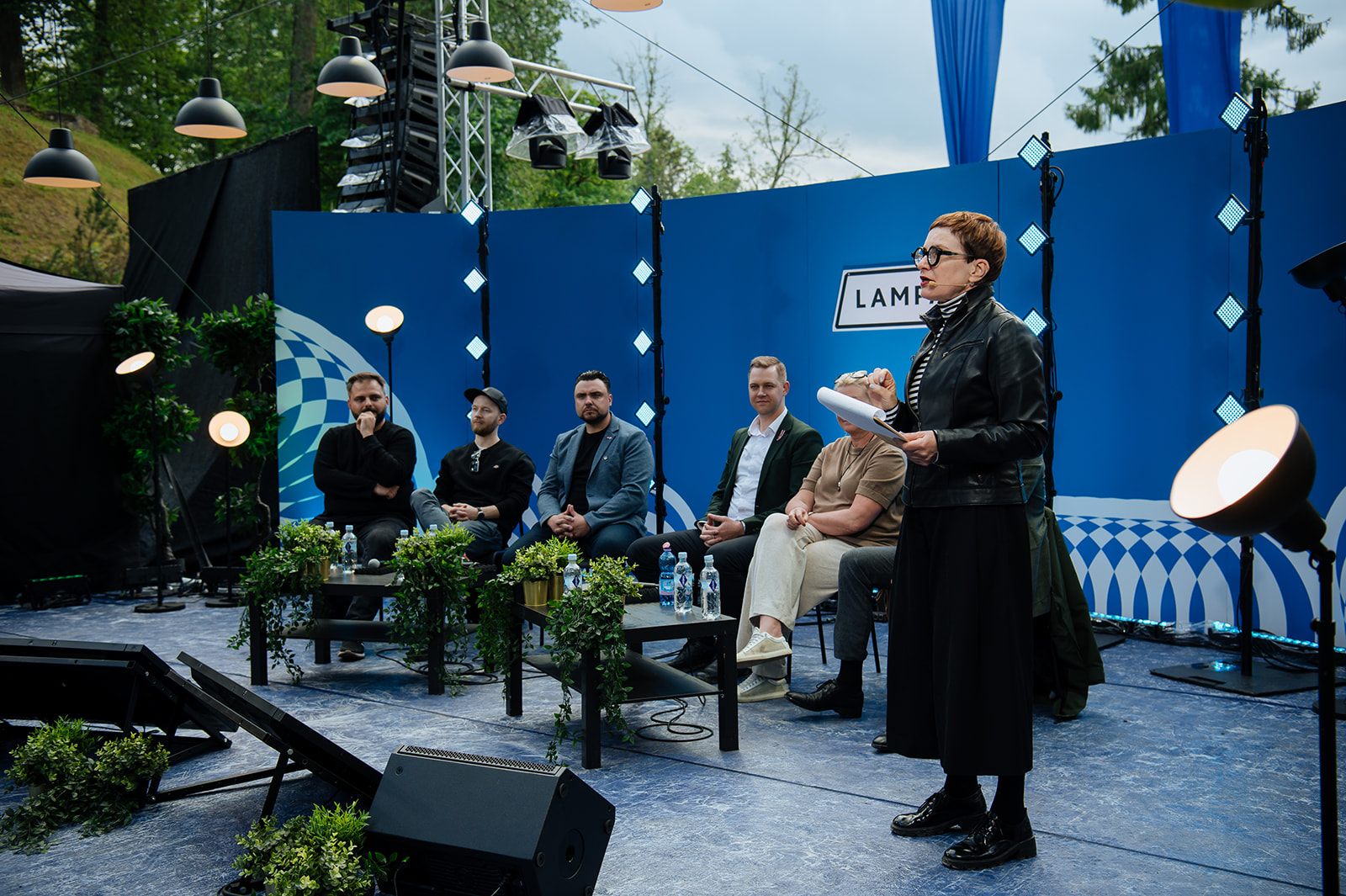
Well, it’s much like any other festival—except that instead of coming to hear your favorite bands, you come to listen to experts, politicians, and activists discuss hot topics.
“It’s a positive, easygoing vibe, just like at any other festival. People can feel free to talk about anything—heavy topics, easy ones, the completely new and unknown, or the grey areas we rarely touch,” says Dace Ševčenko, Head of Communications for LAMPA.
The idea clearly struck a chord.
“After attending LAMPA, 76% of people feel happier and more confident that we live in a great country, that everything will be all right, and that we have people of all ages who want to build Latvia up.”
As Dace explains, 12 years ago when the first LAMPA was held, the aim was just that.
“The founders of LAMPA wanted to make democracy and civic participation cool again. Something that is not a heavy burden, but a joy all kinds of different people can share.”
What does all this look like in practice?
And can someone who doesn’t speak Latvian enjoy it, too?
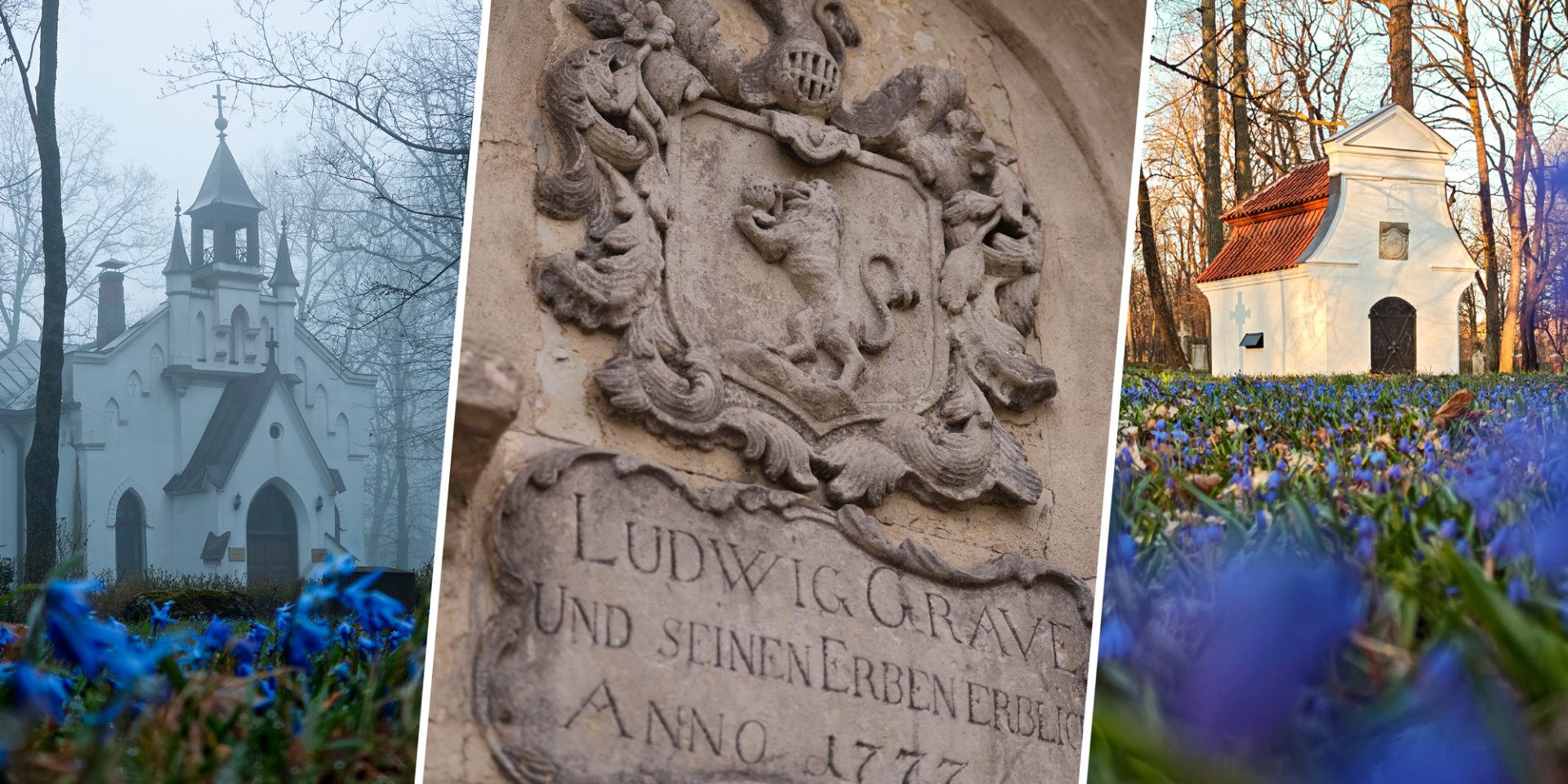
As a backdrop, there’s a romantic castle park originally designed for a 19th-century count and the ruins of an 800-year-old castle. Tall, magnificent travertine stairs decorated with sculptures lead to the New Castle Square.
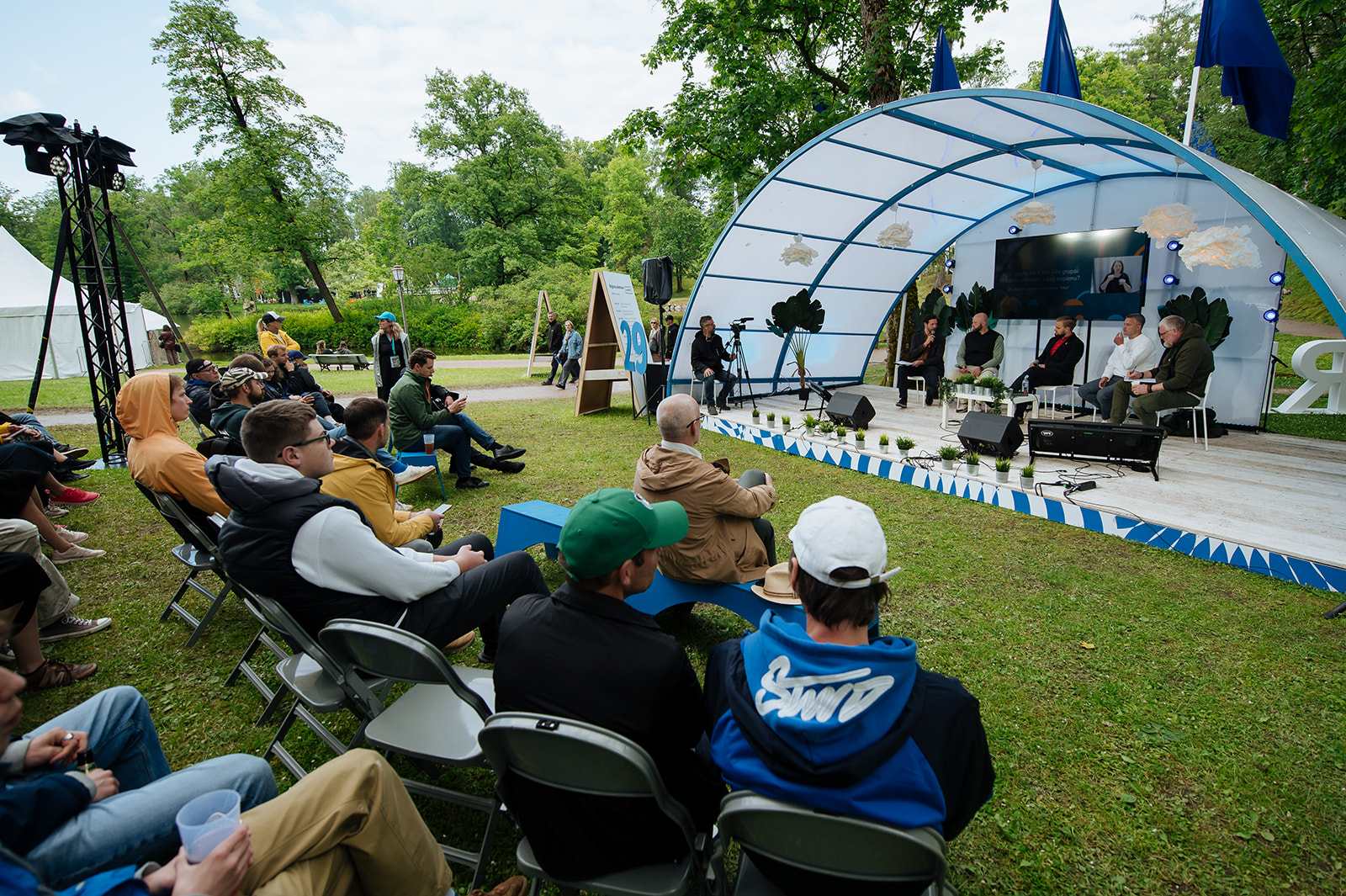
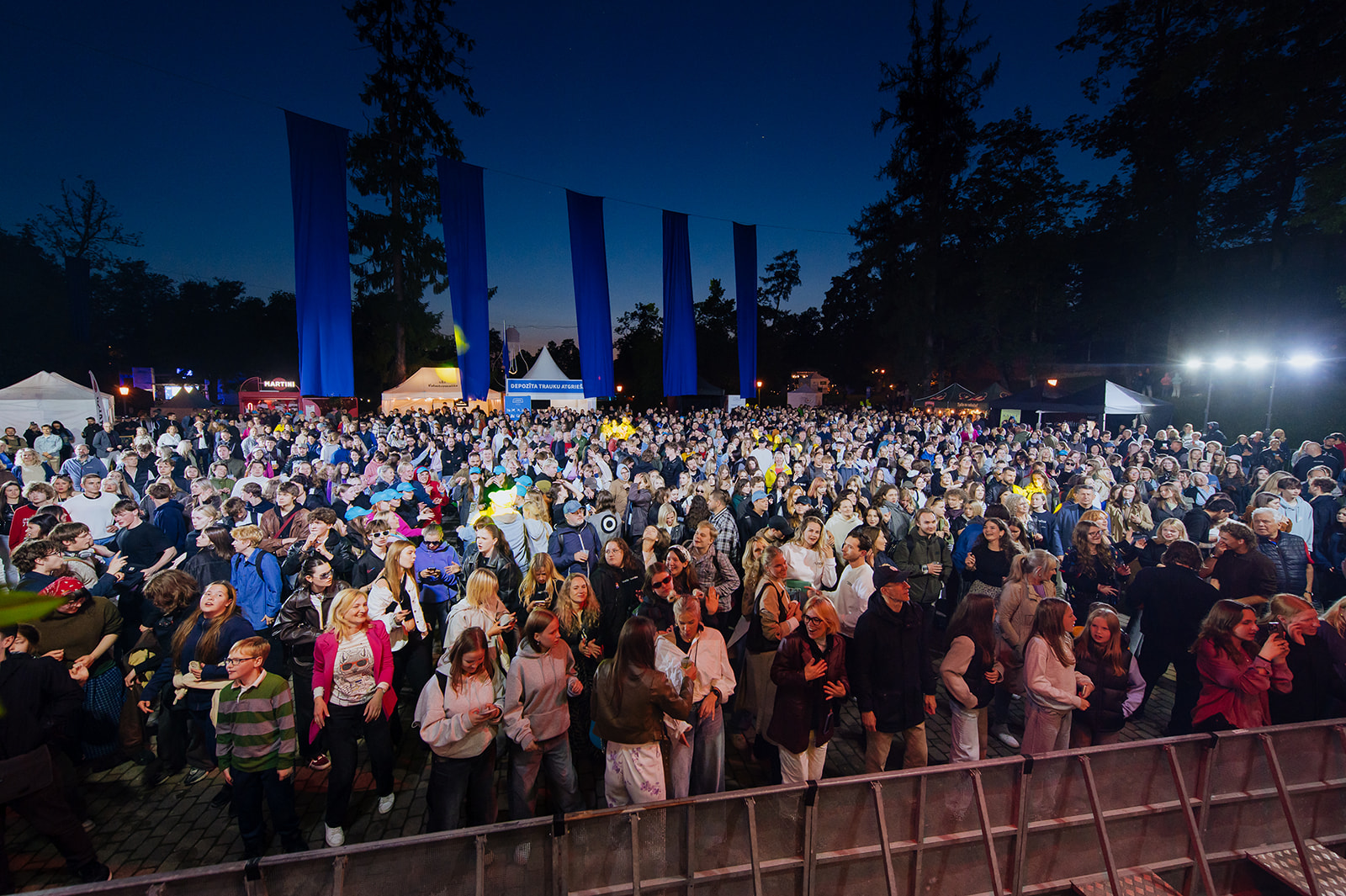
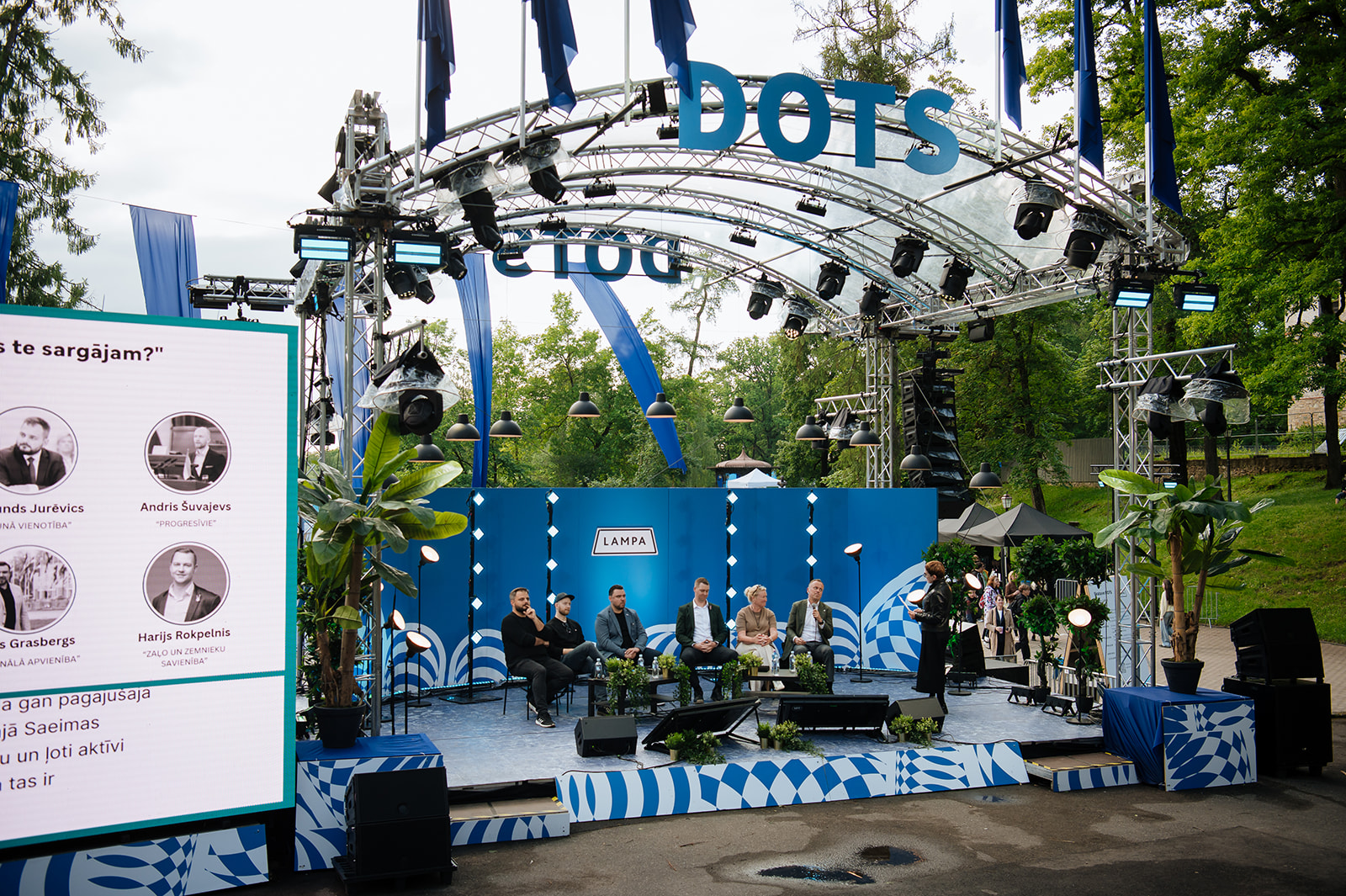
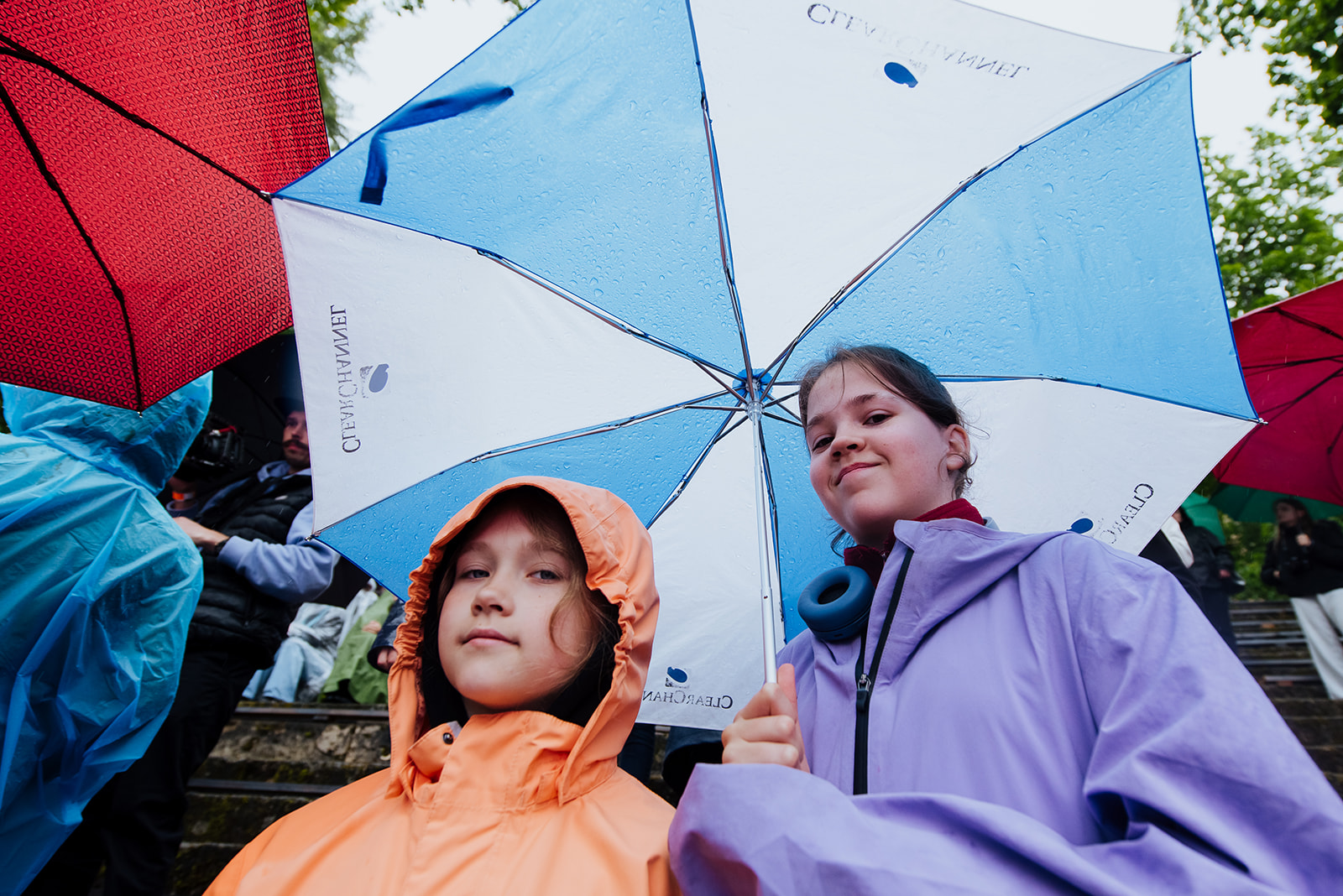
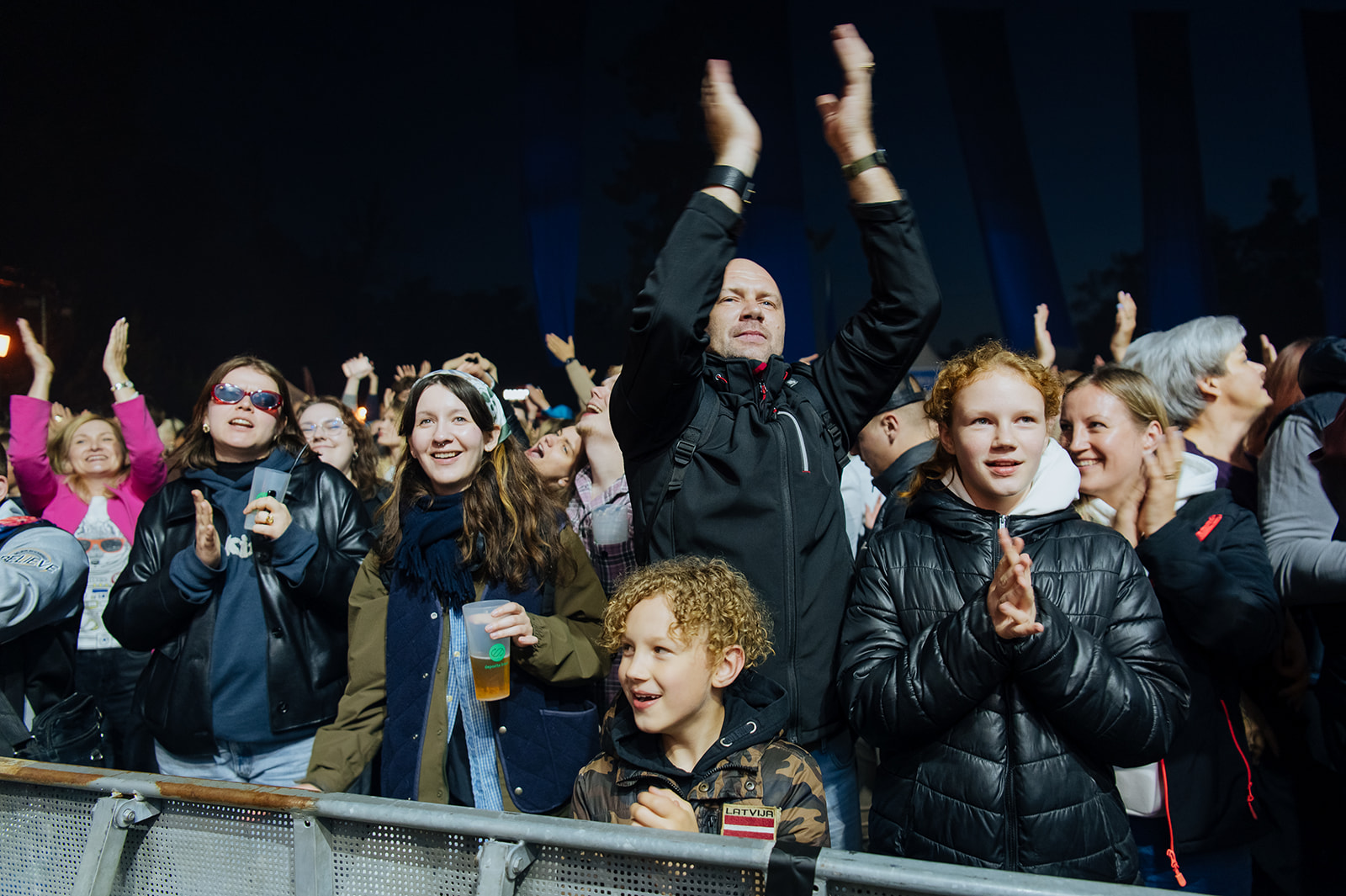
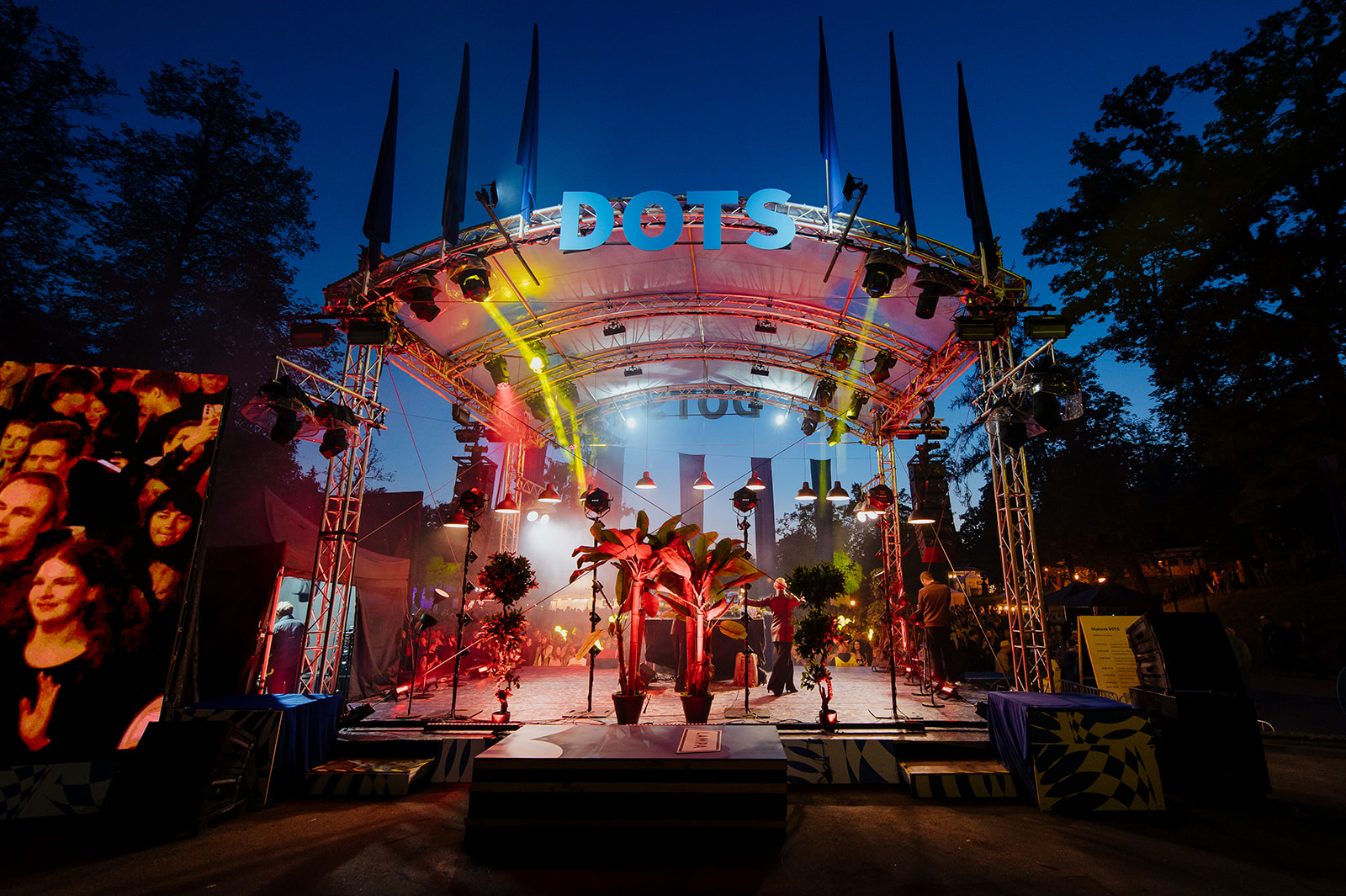
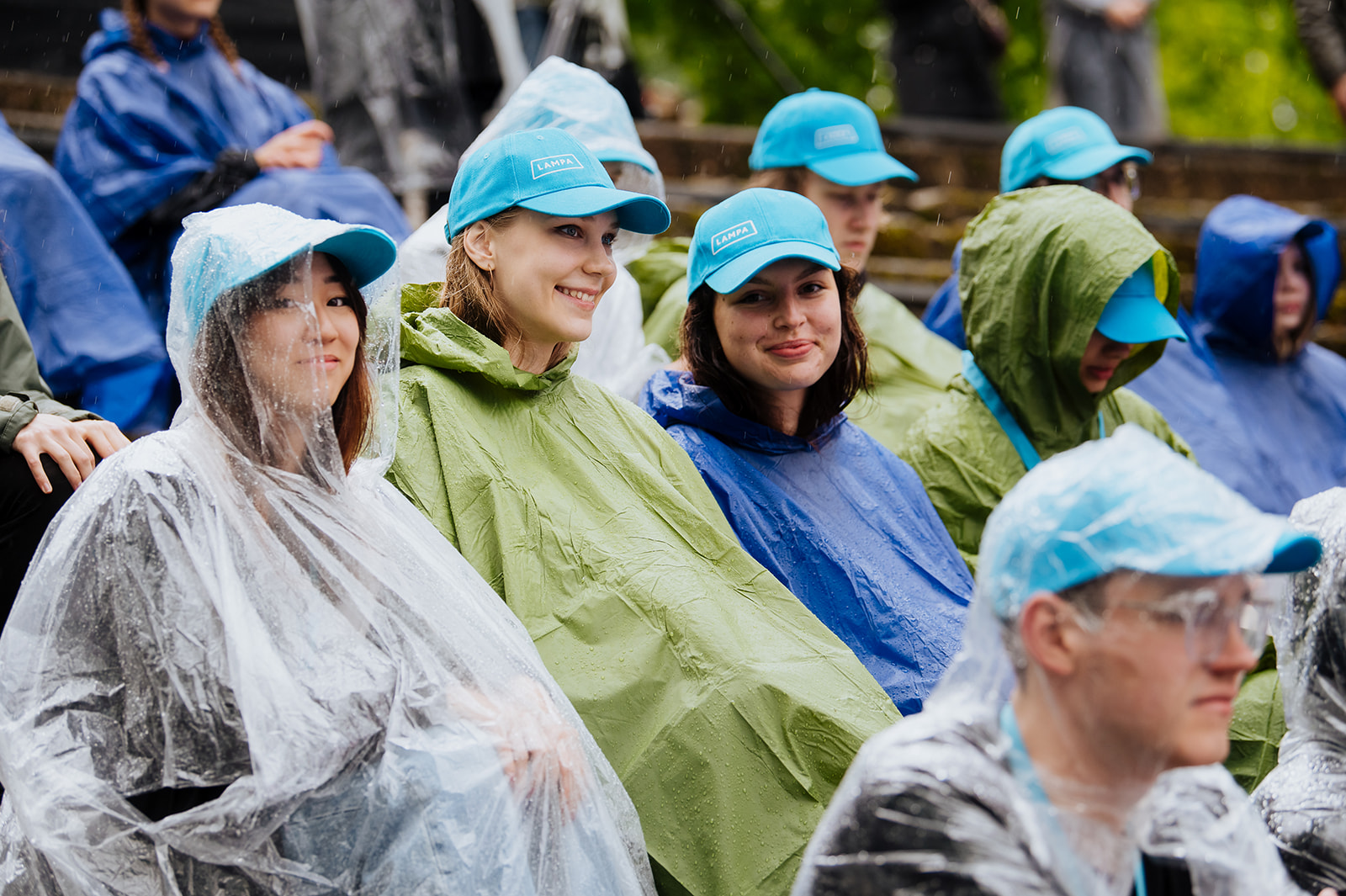
On the day of the festival, this space is brimming with stages, tents, booths, and a colorful crowd of people.
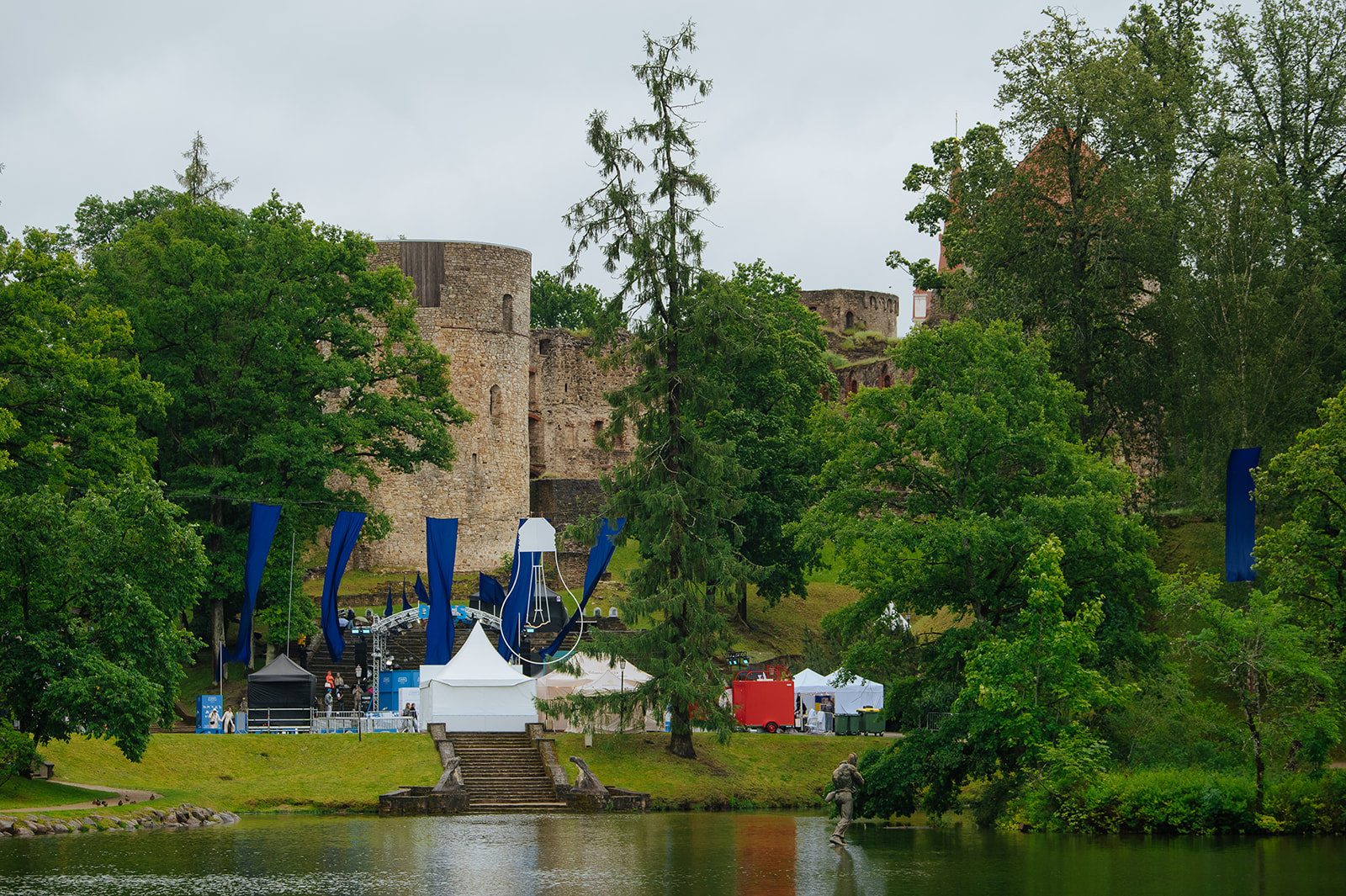
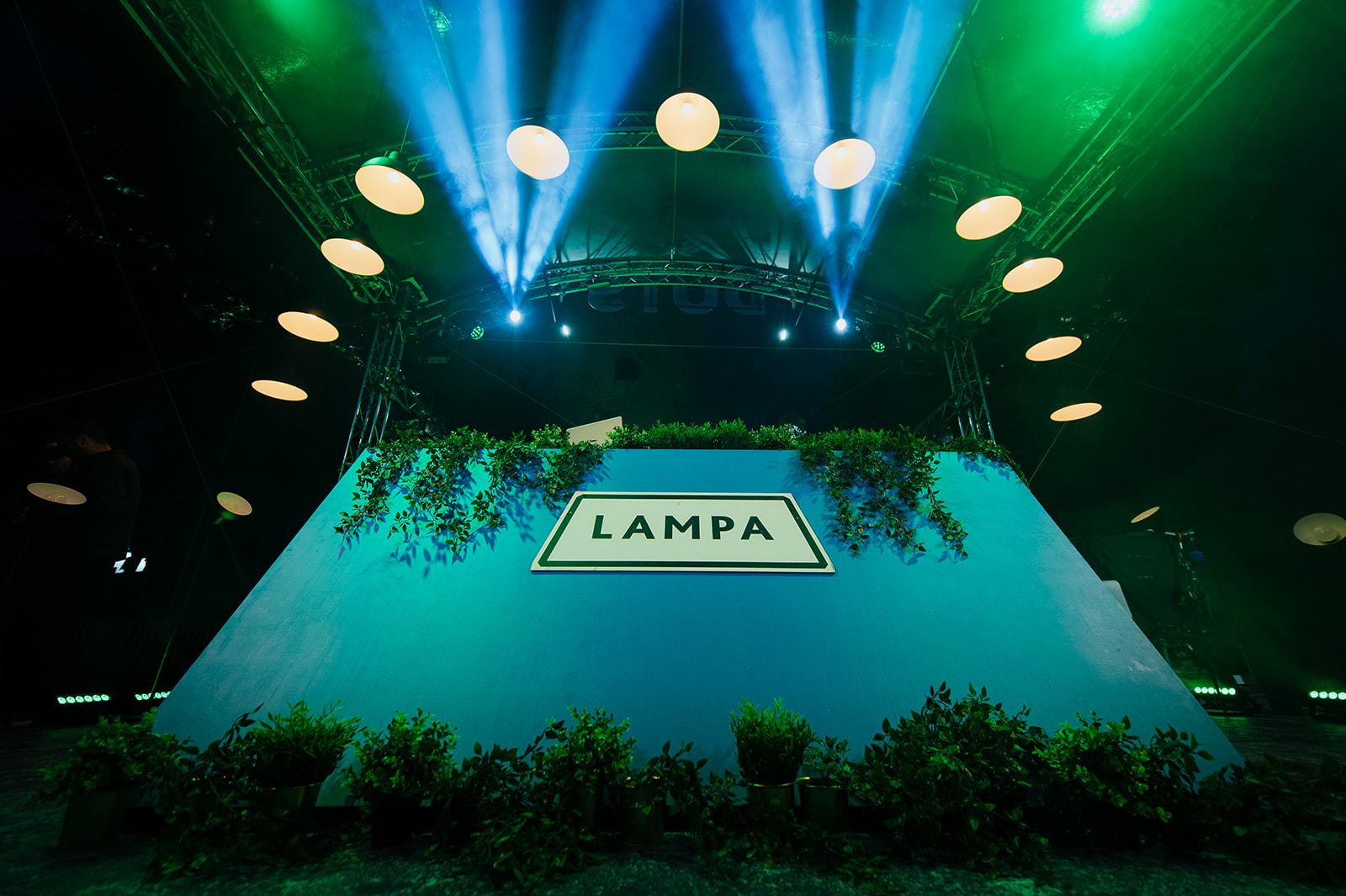
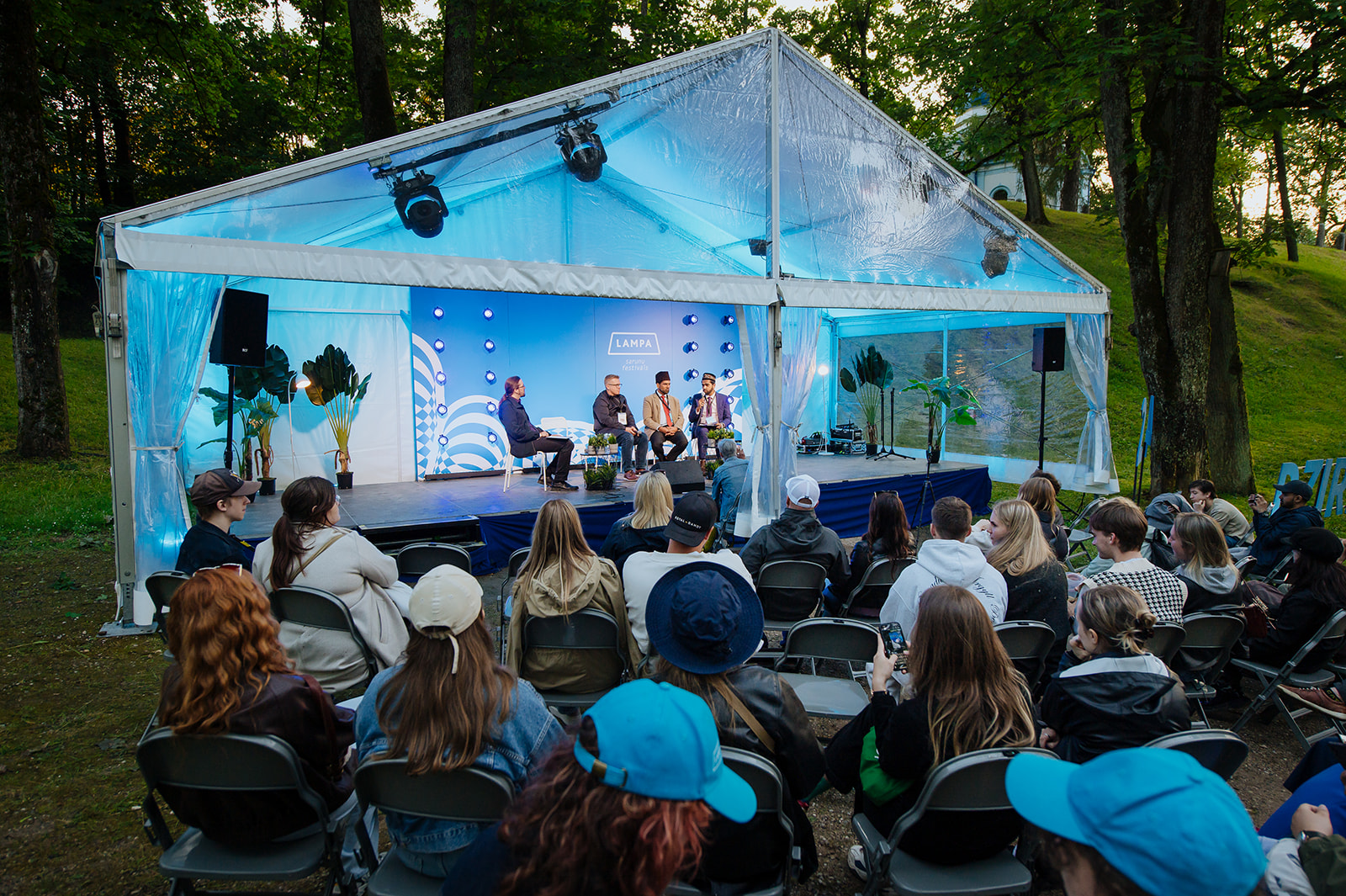
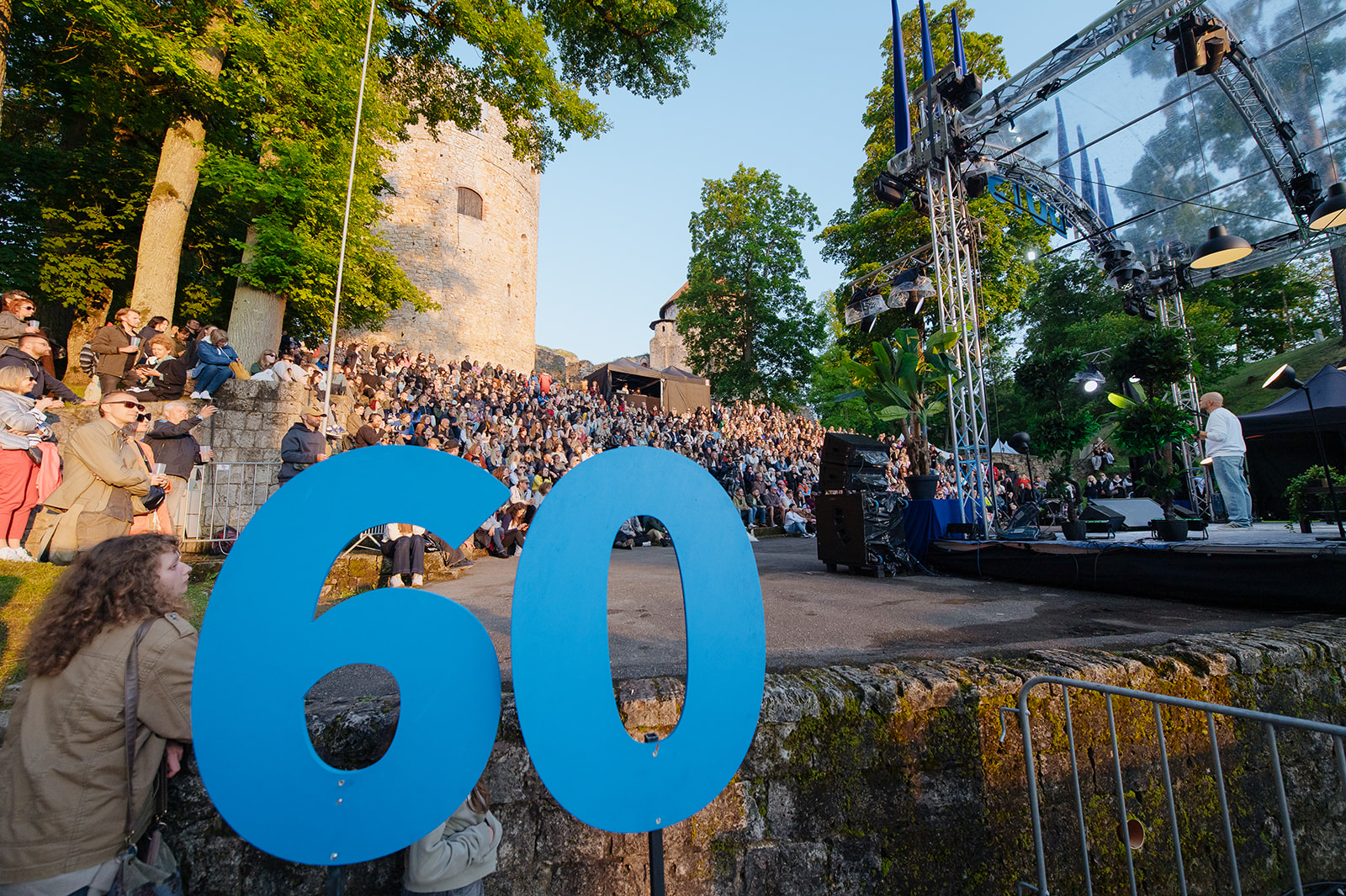
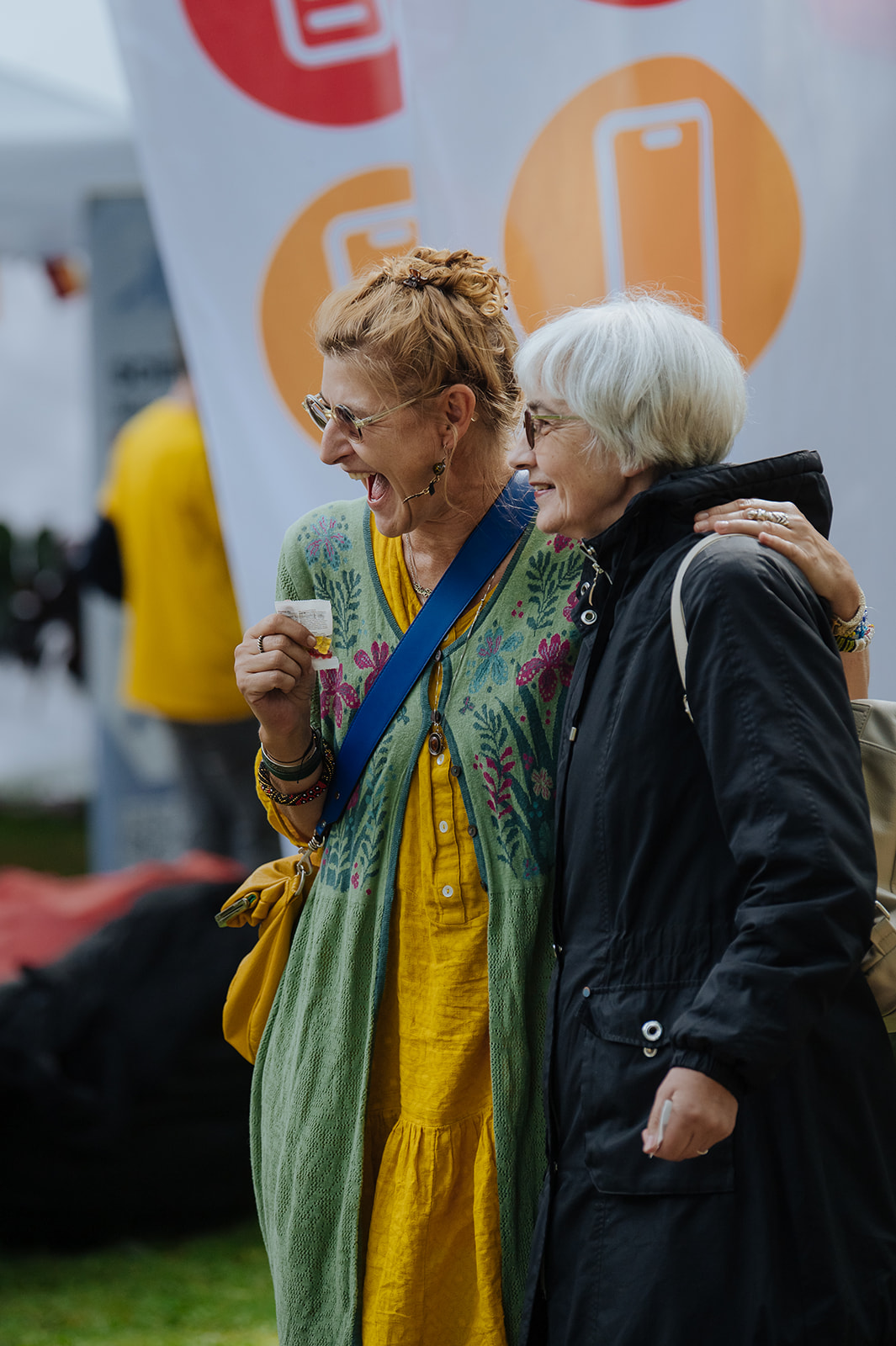
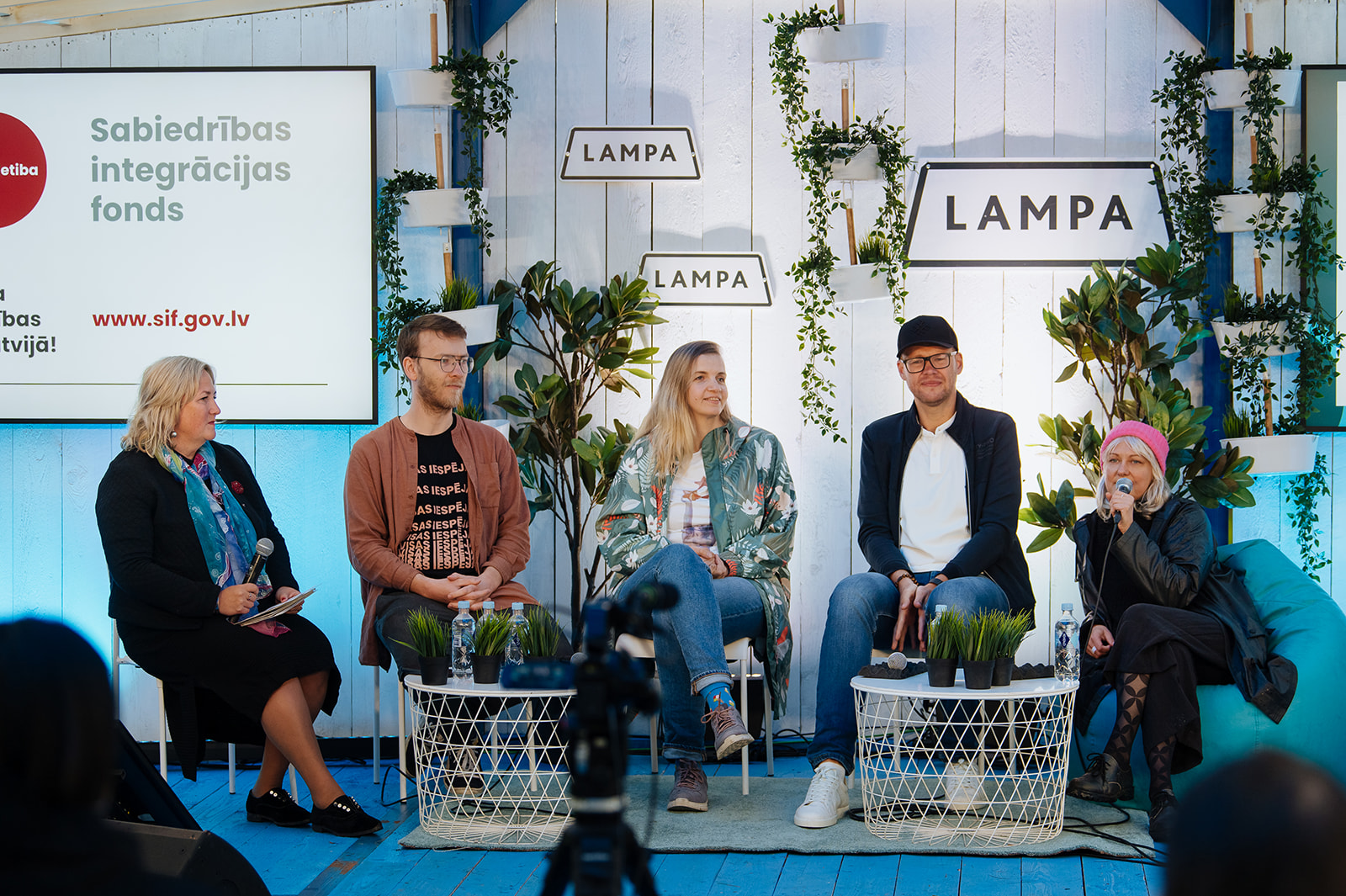
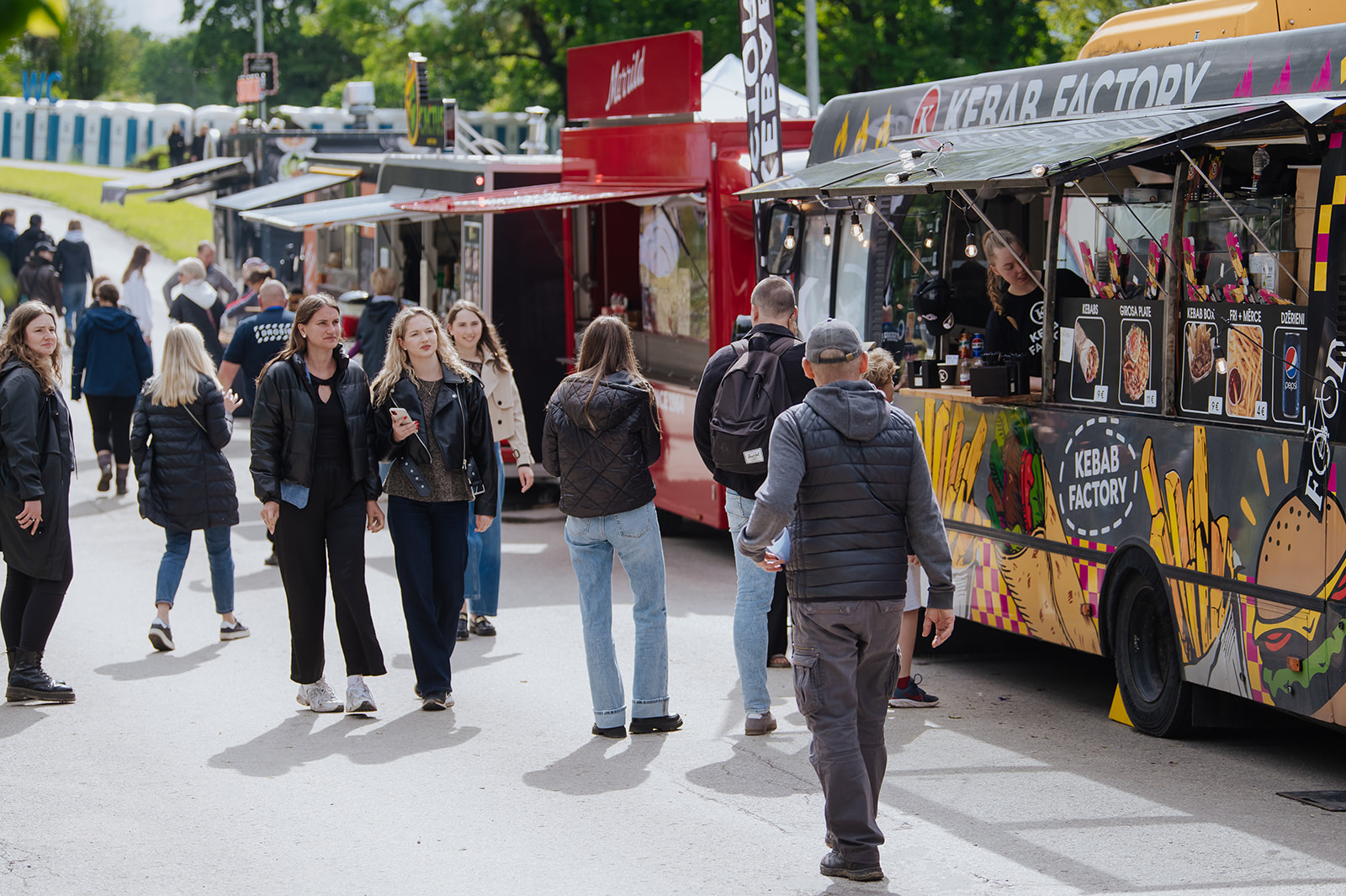
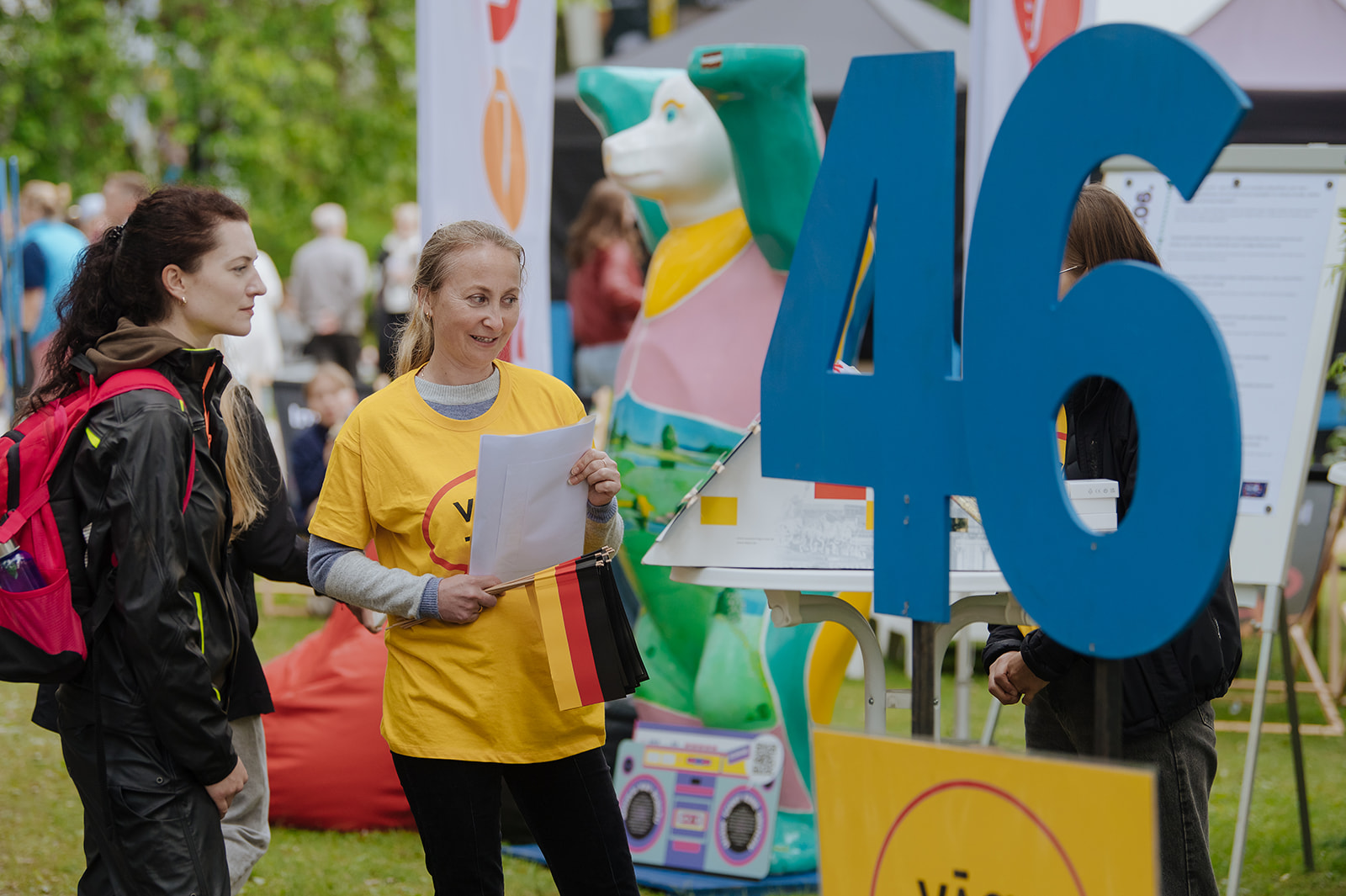
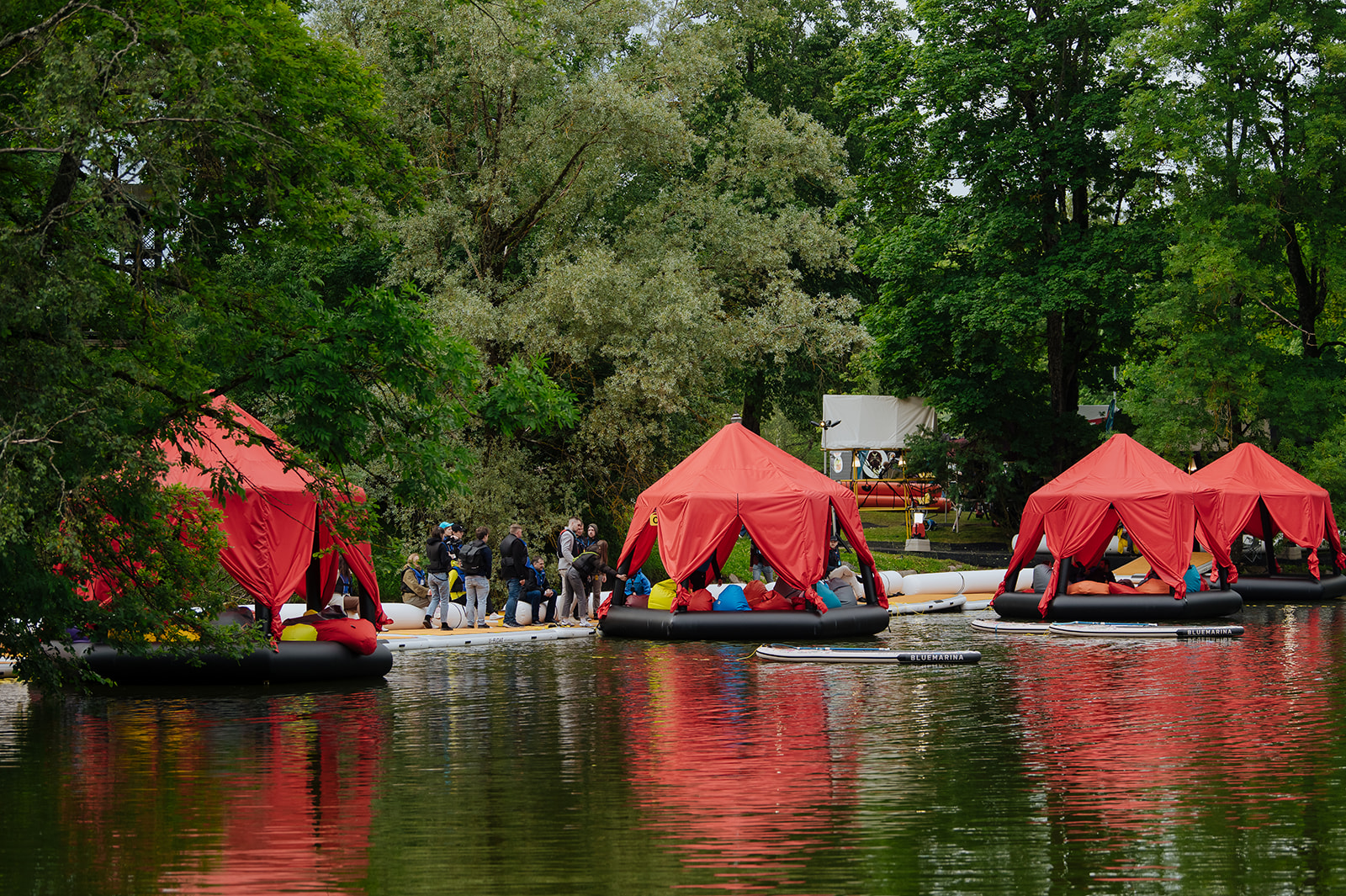
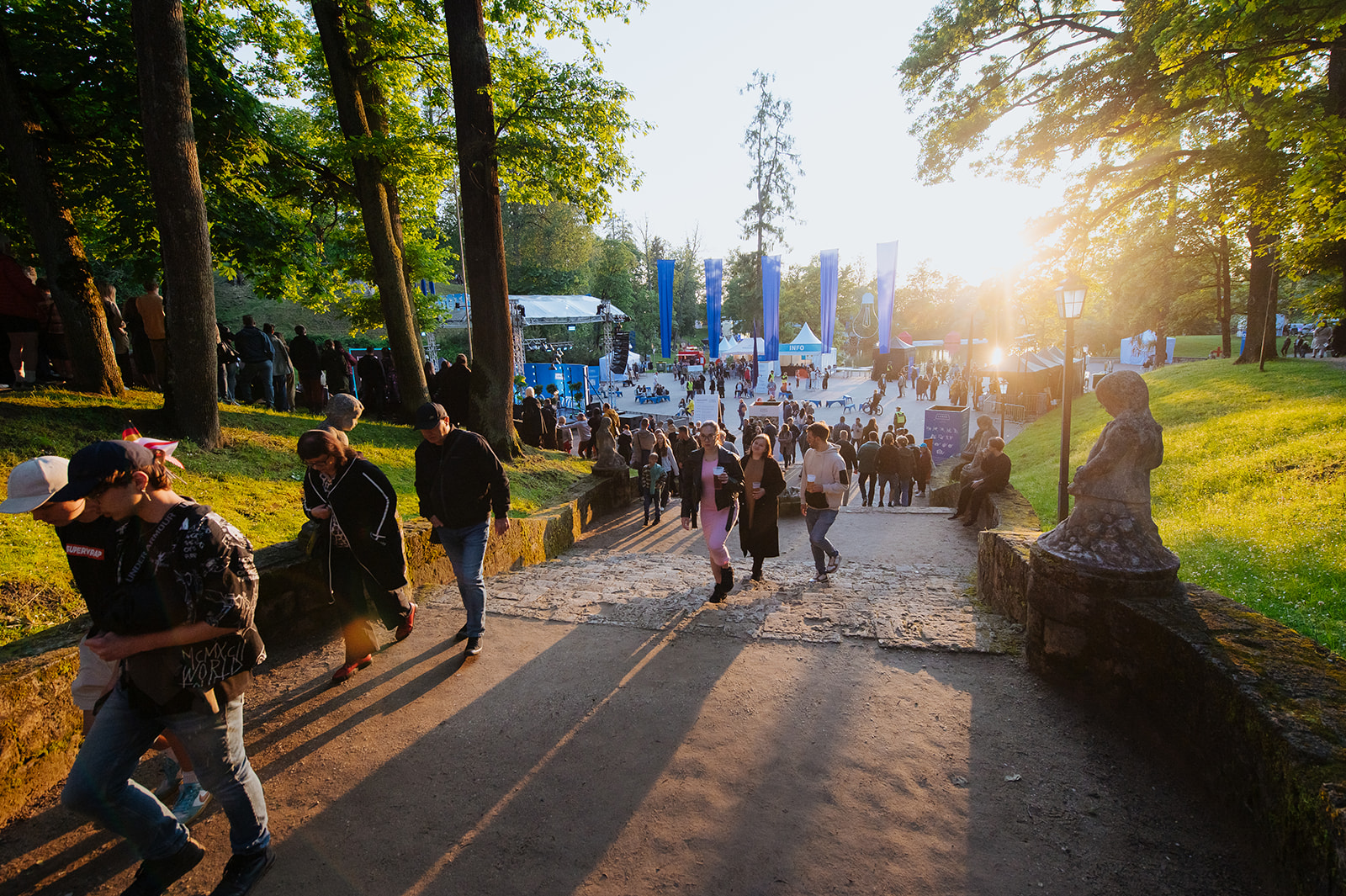
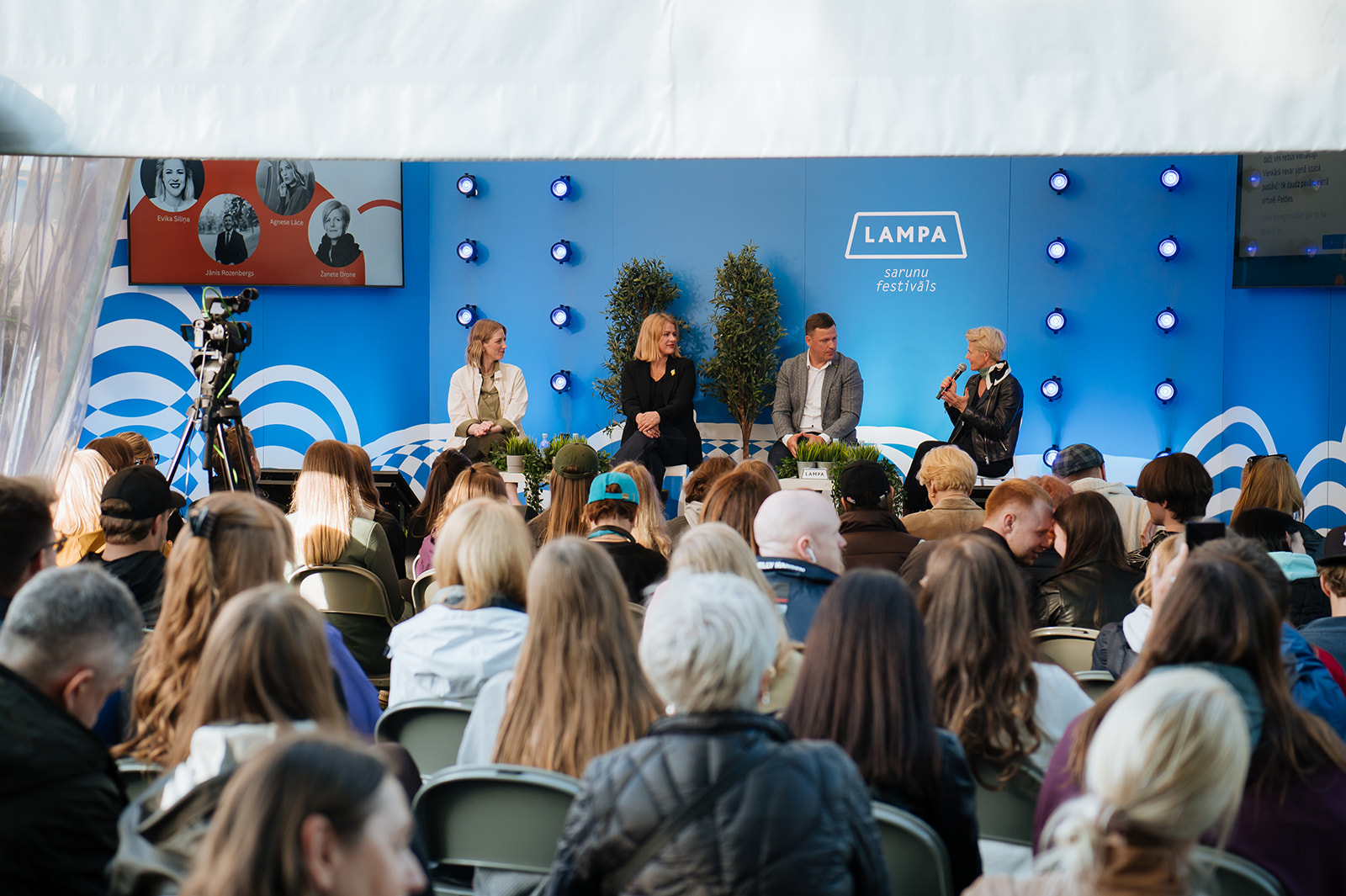
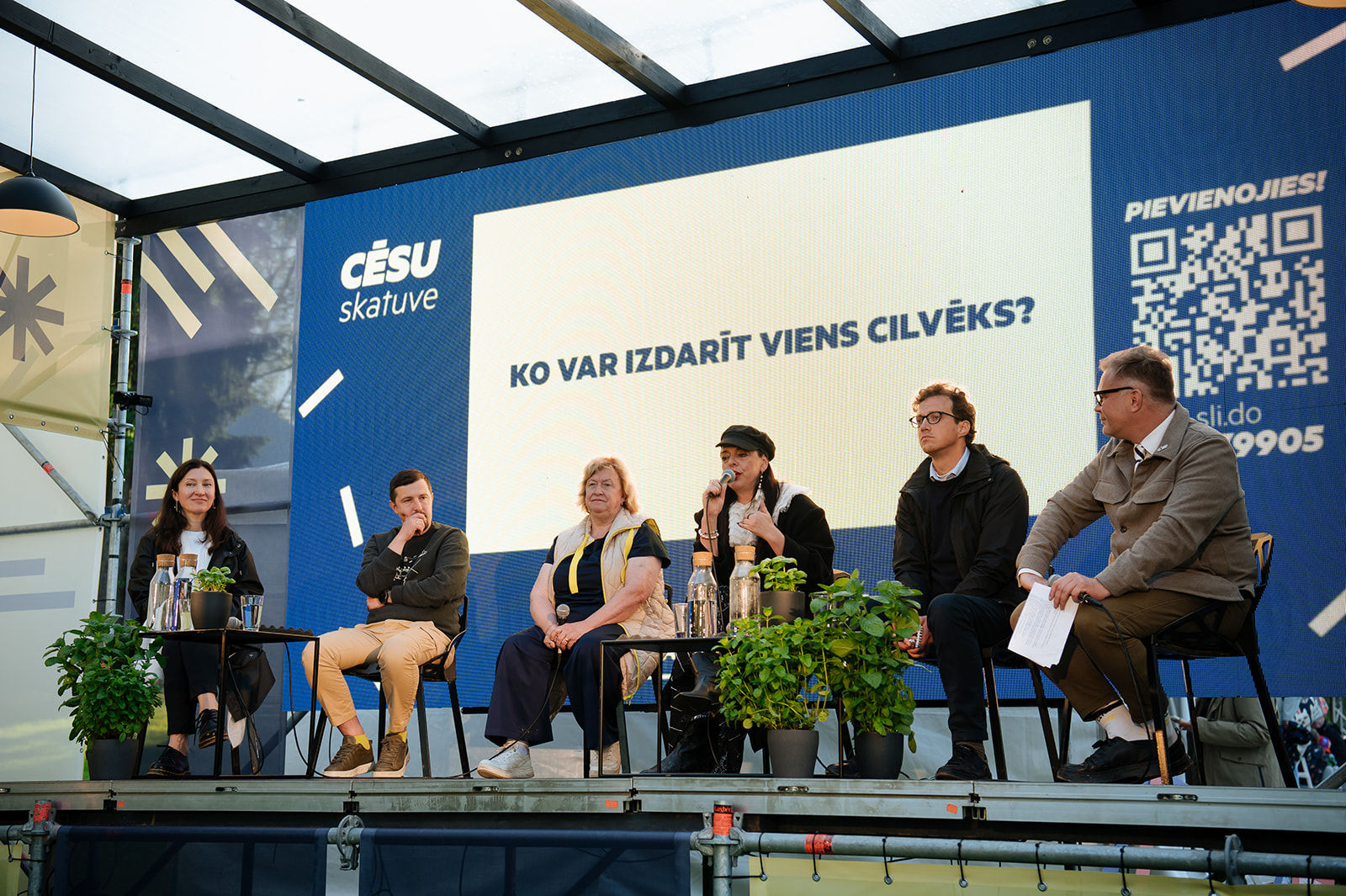
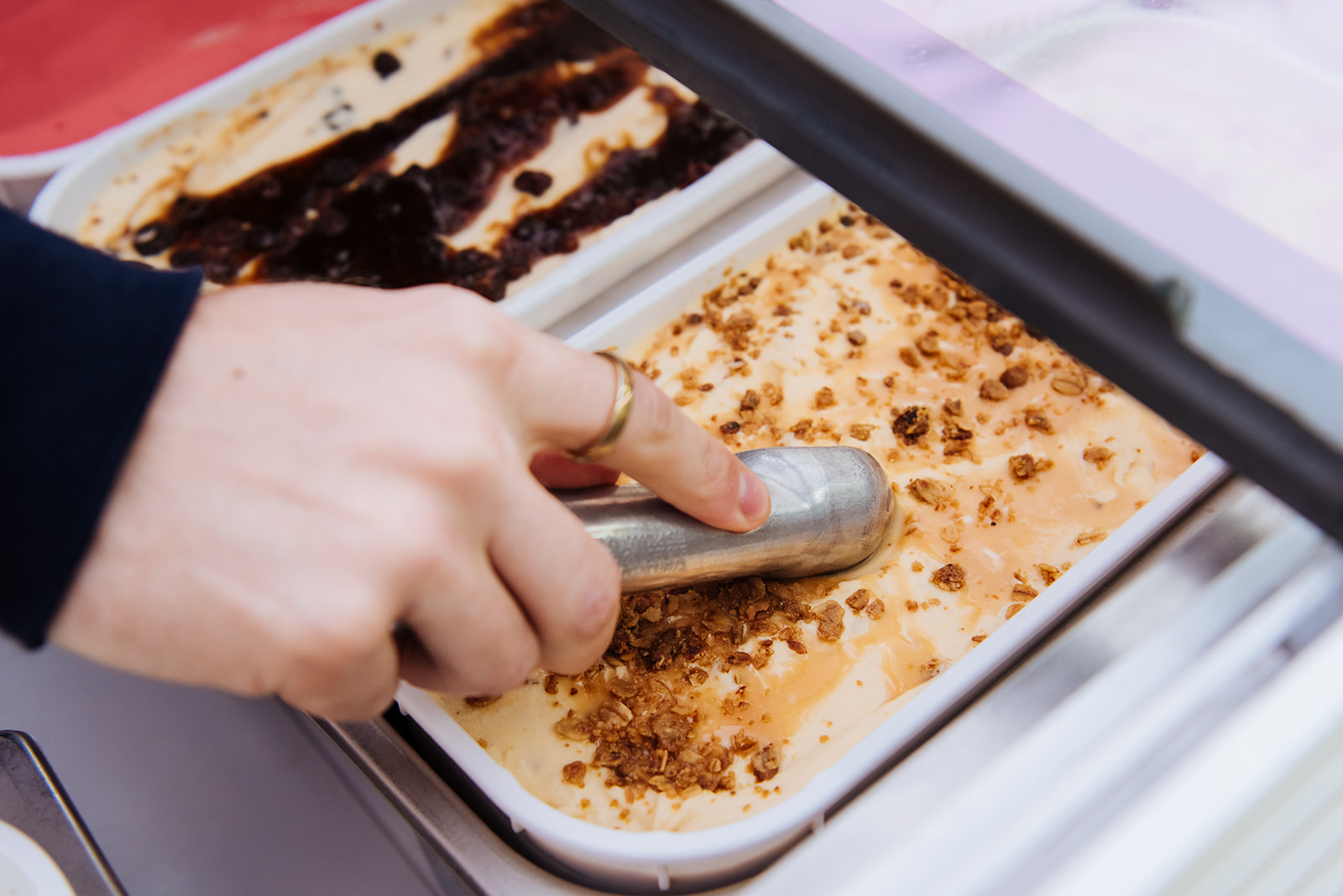
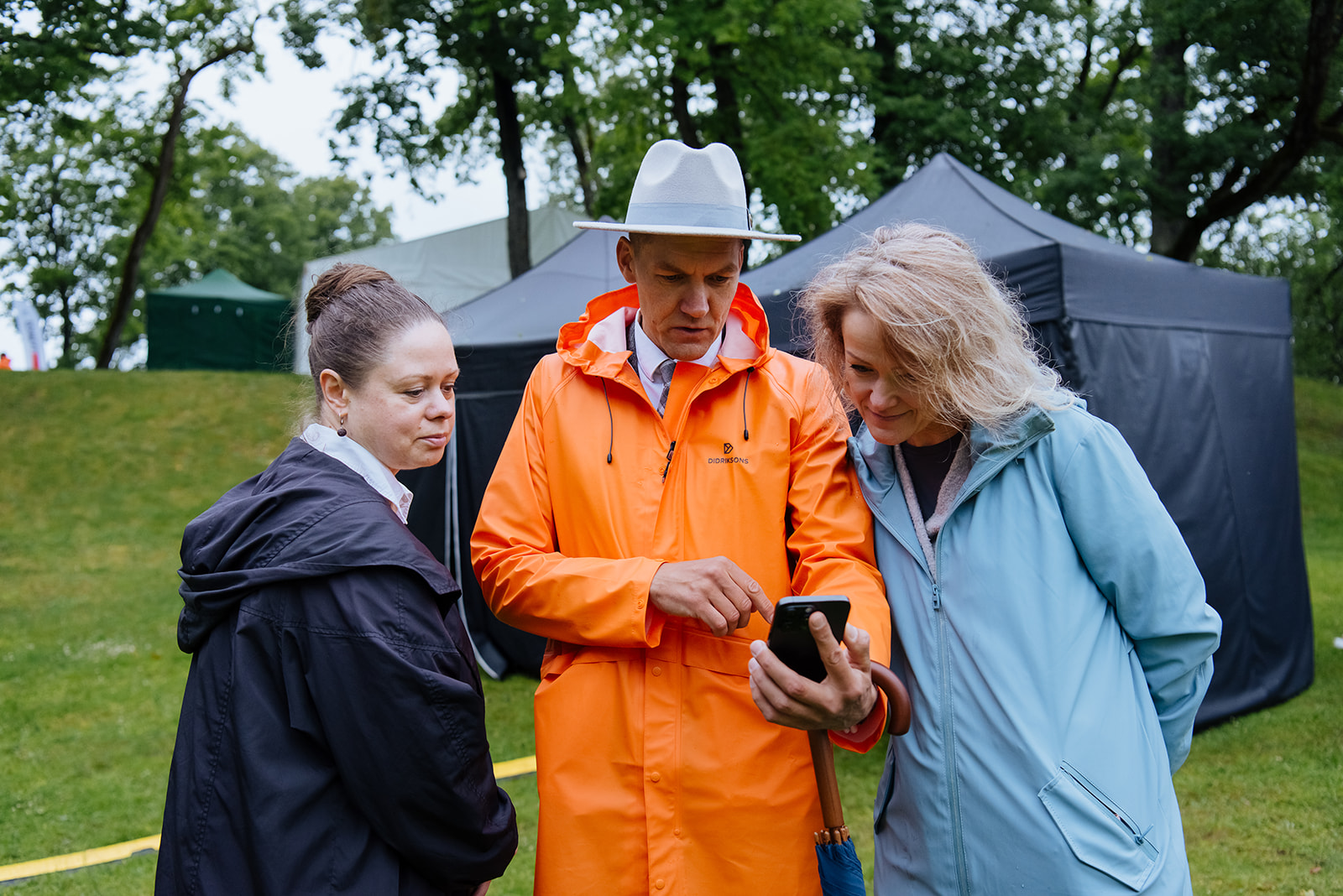
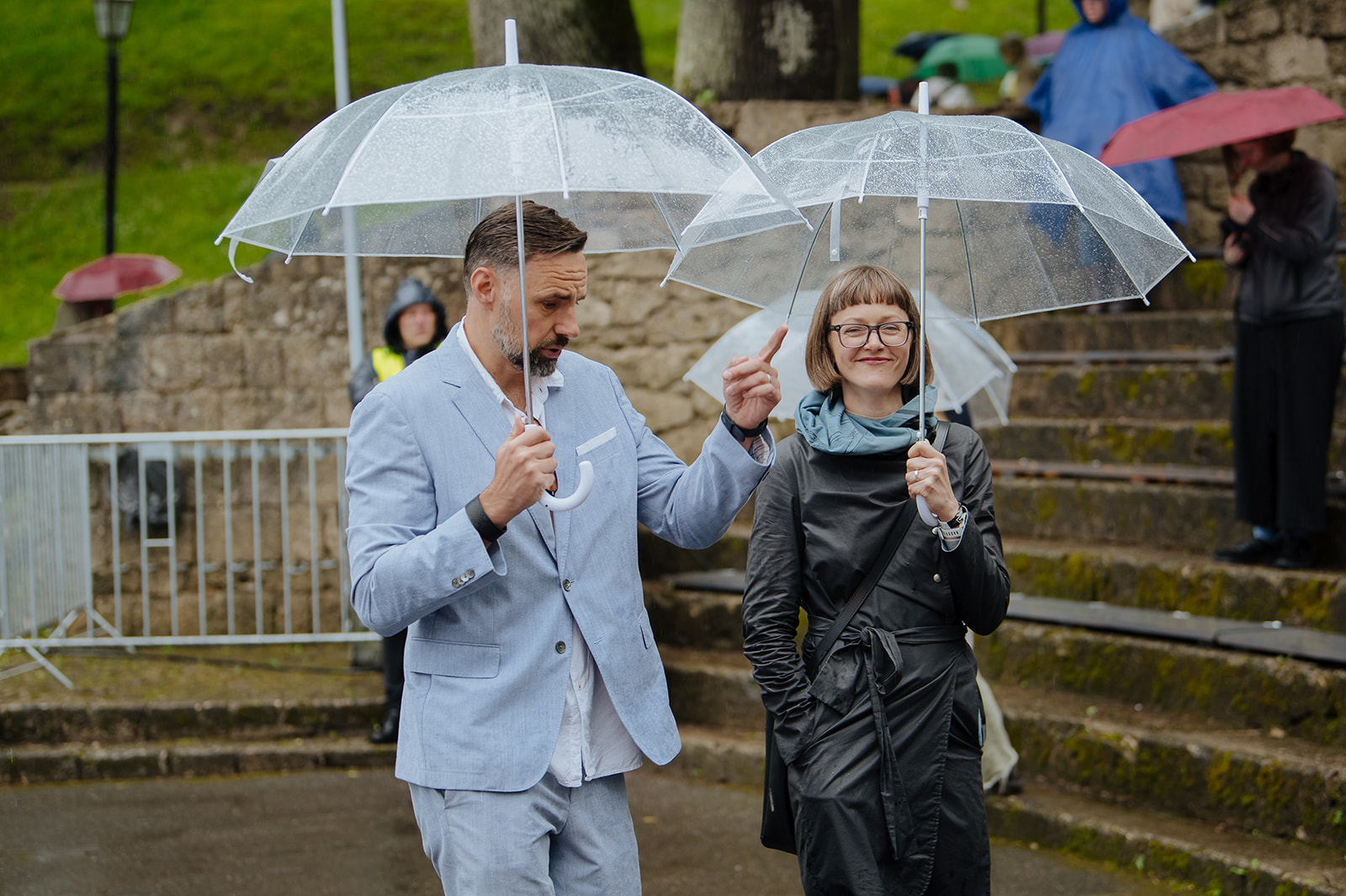
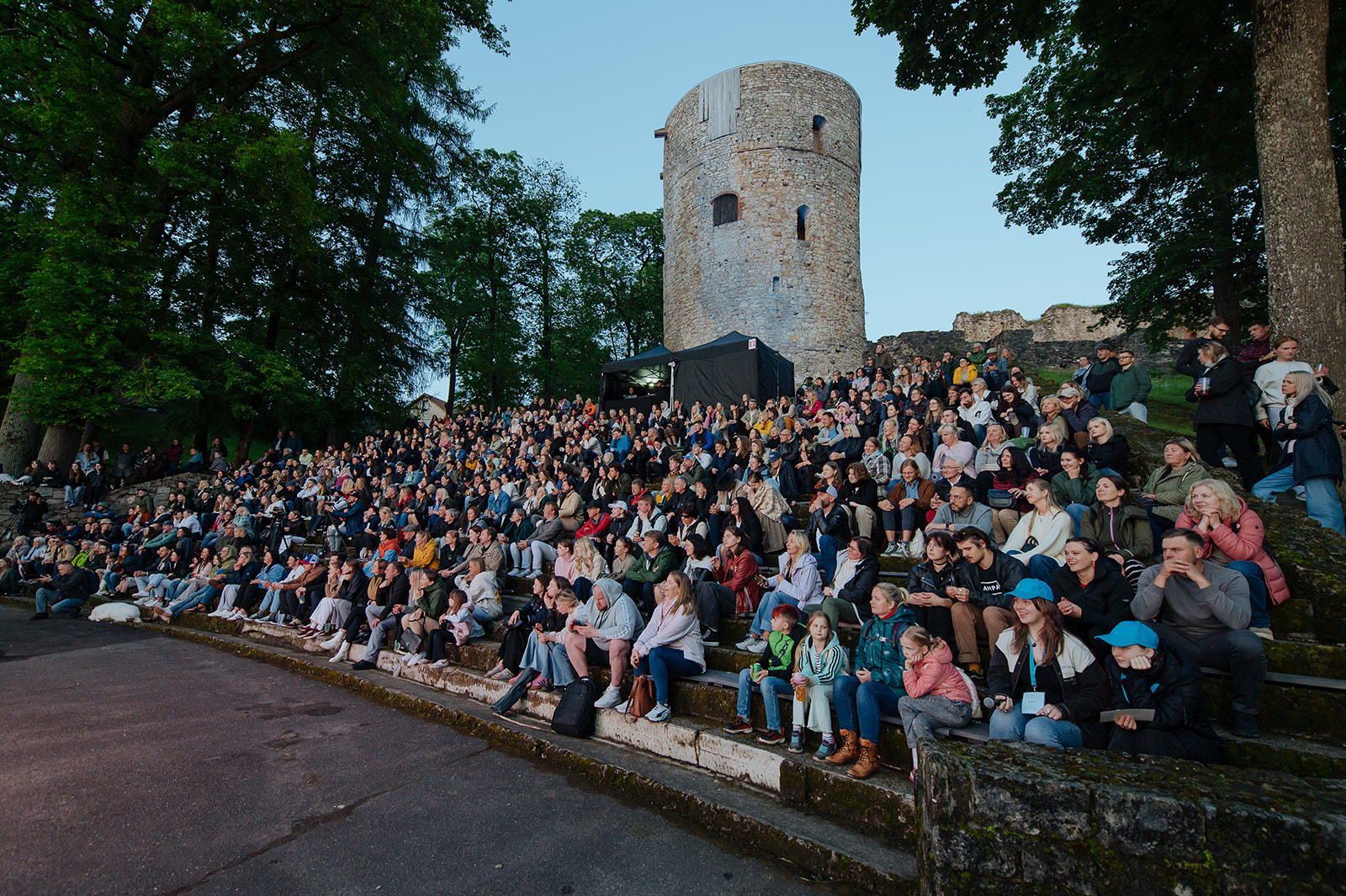
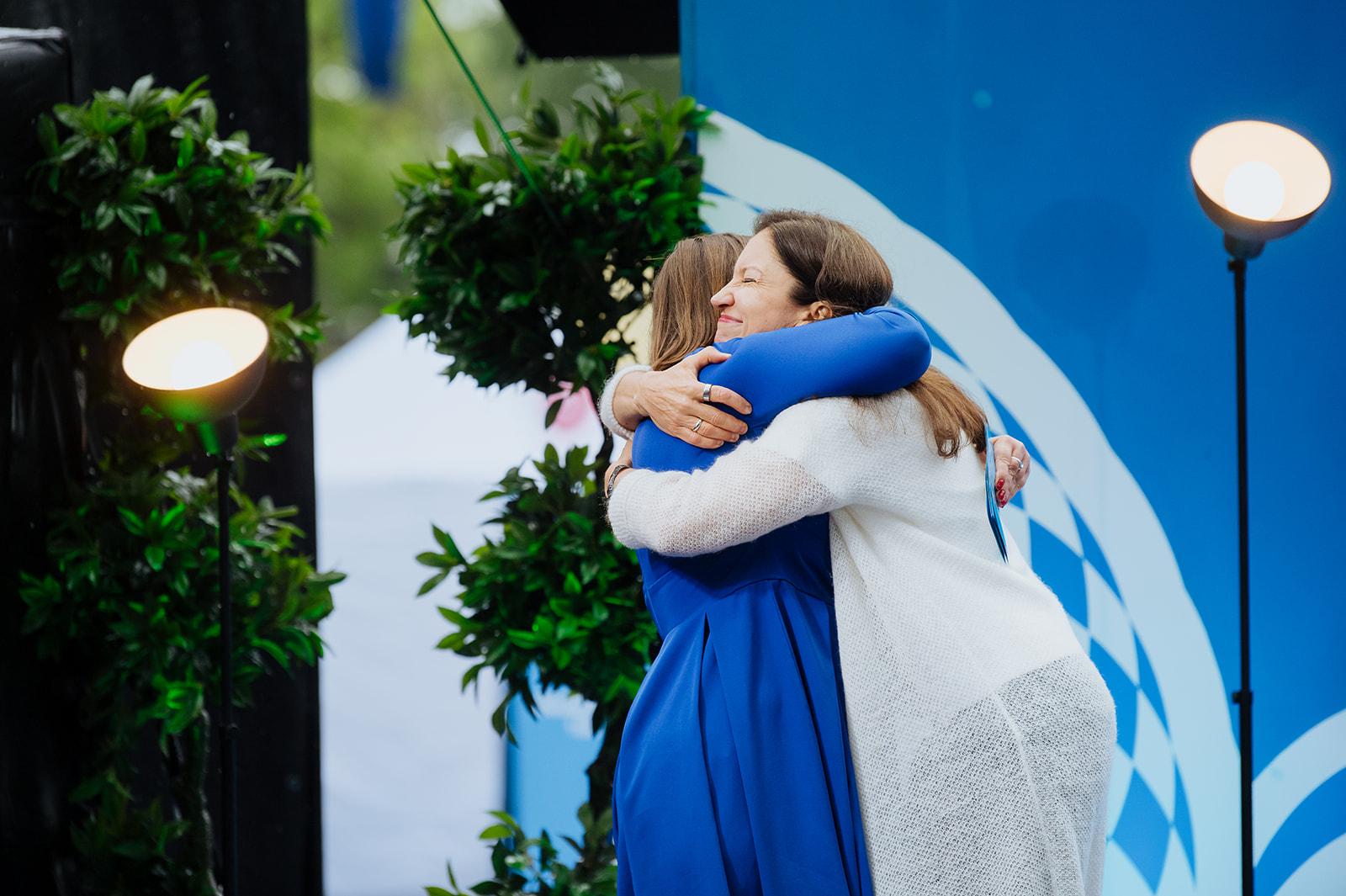
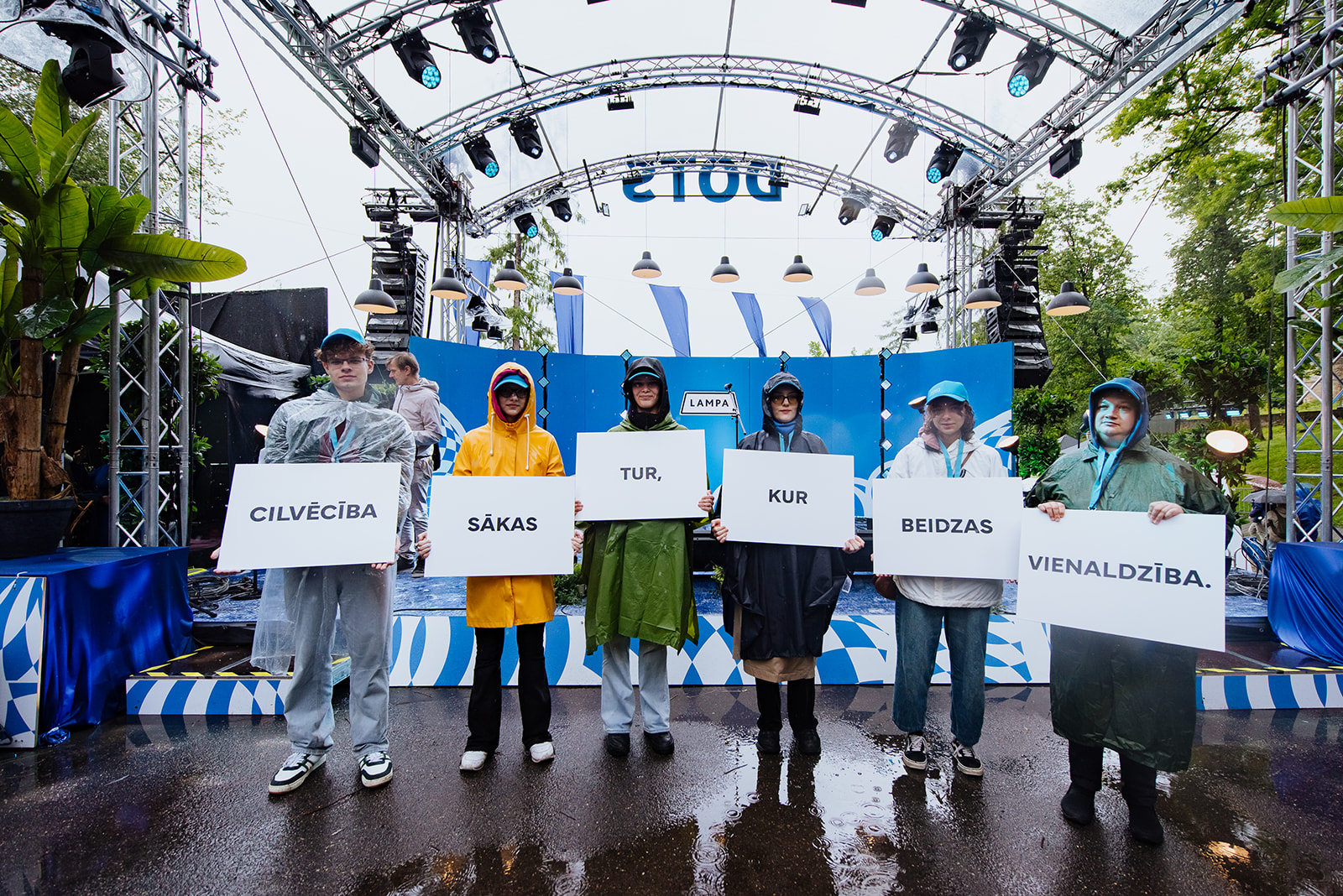
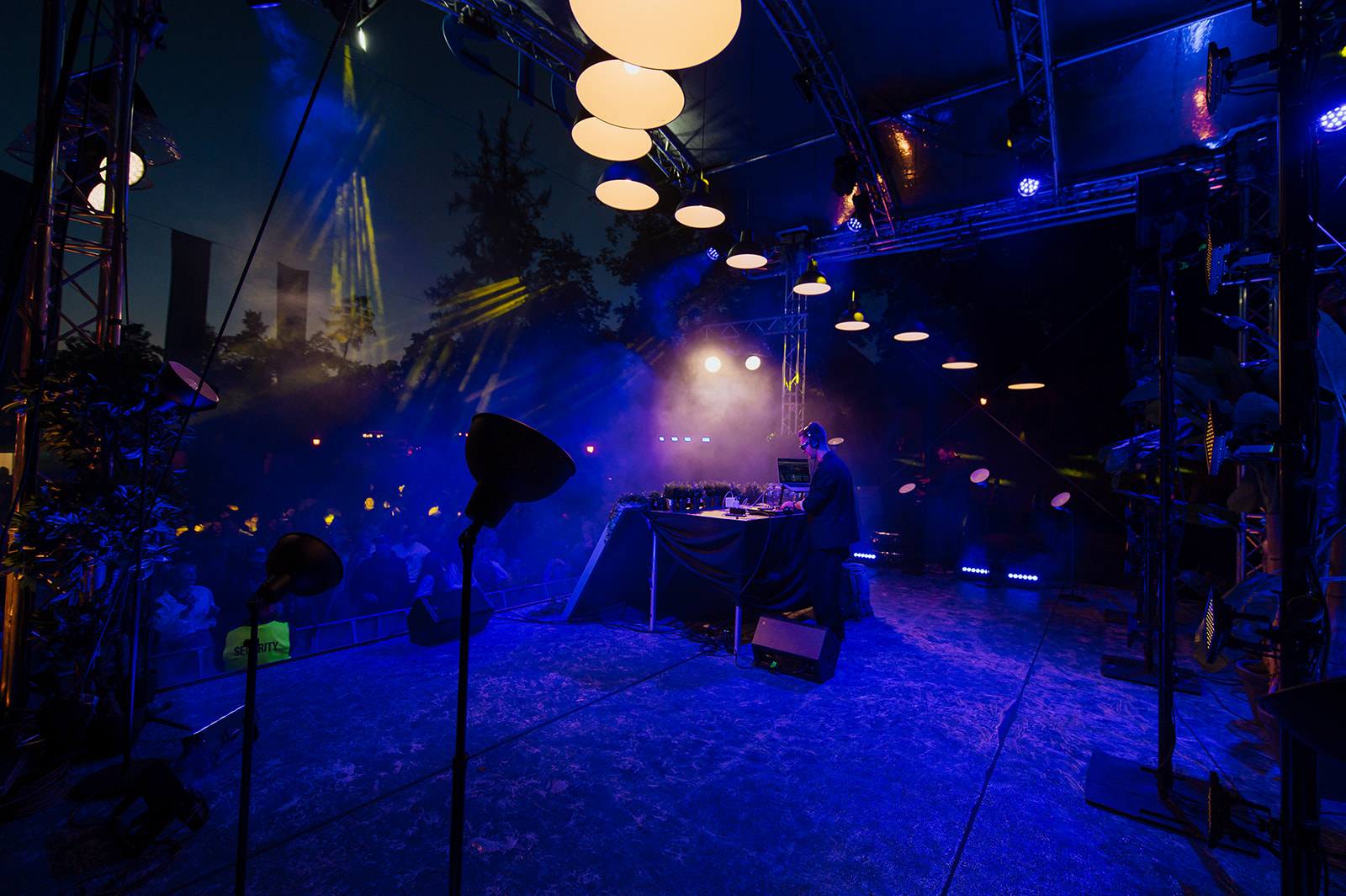
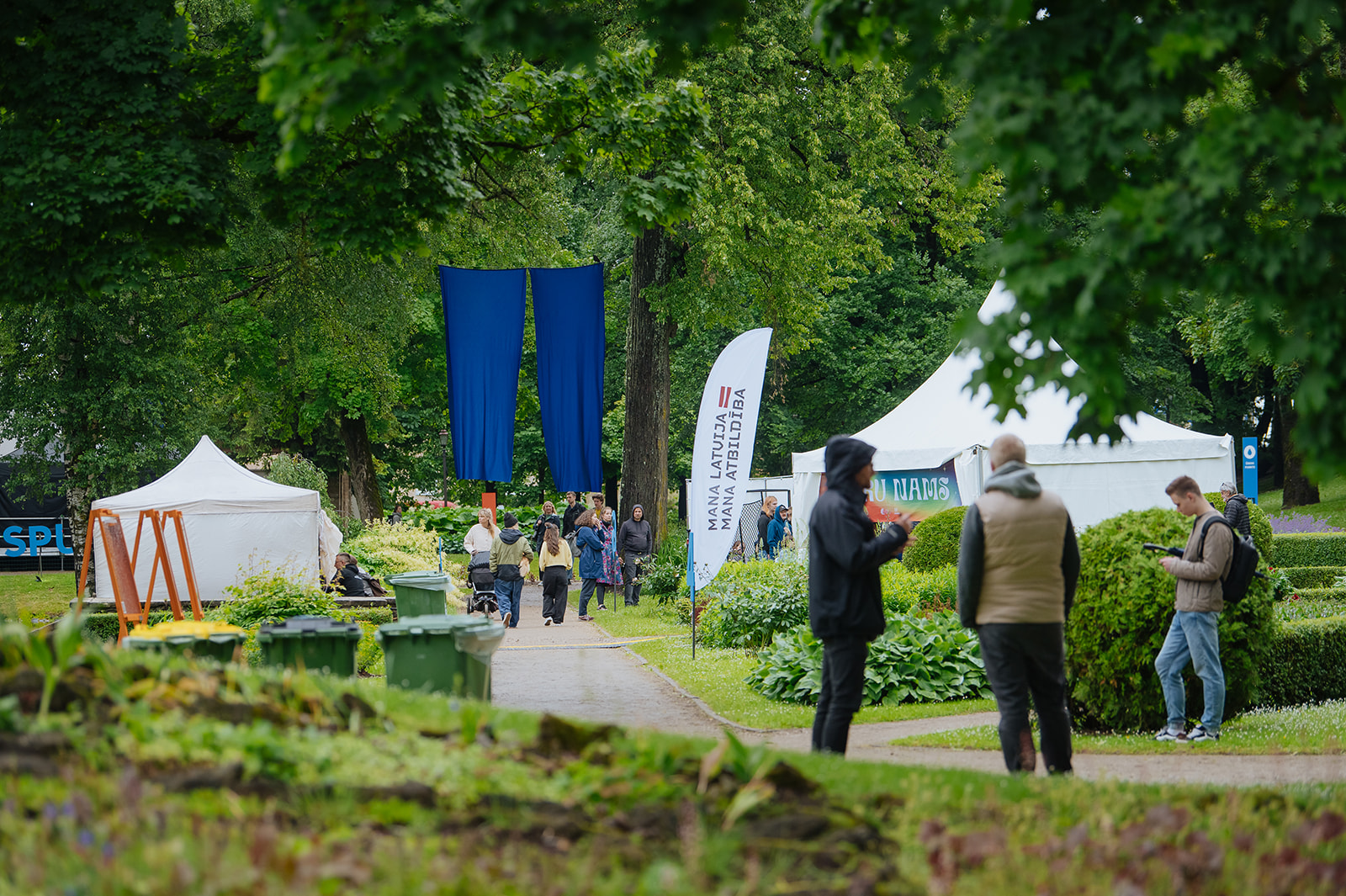
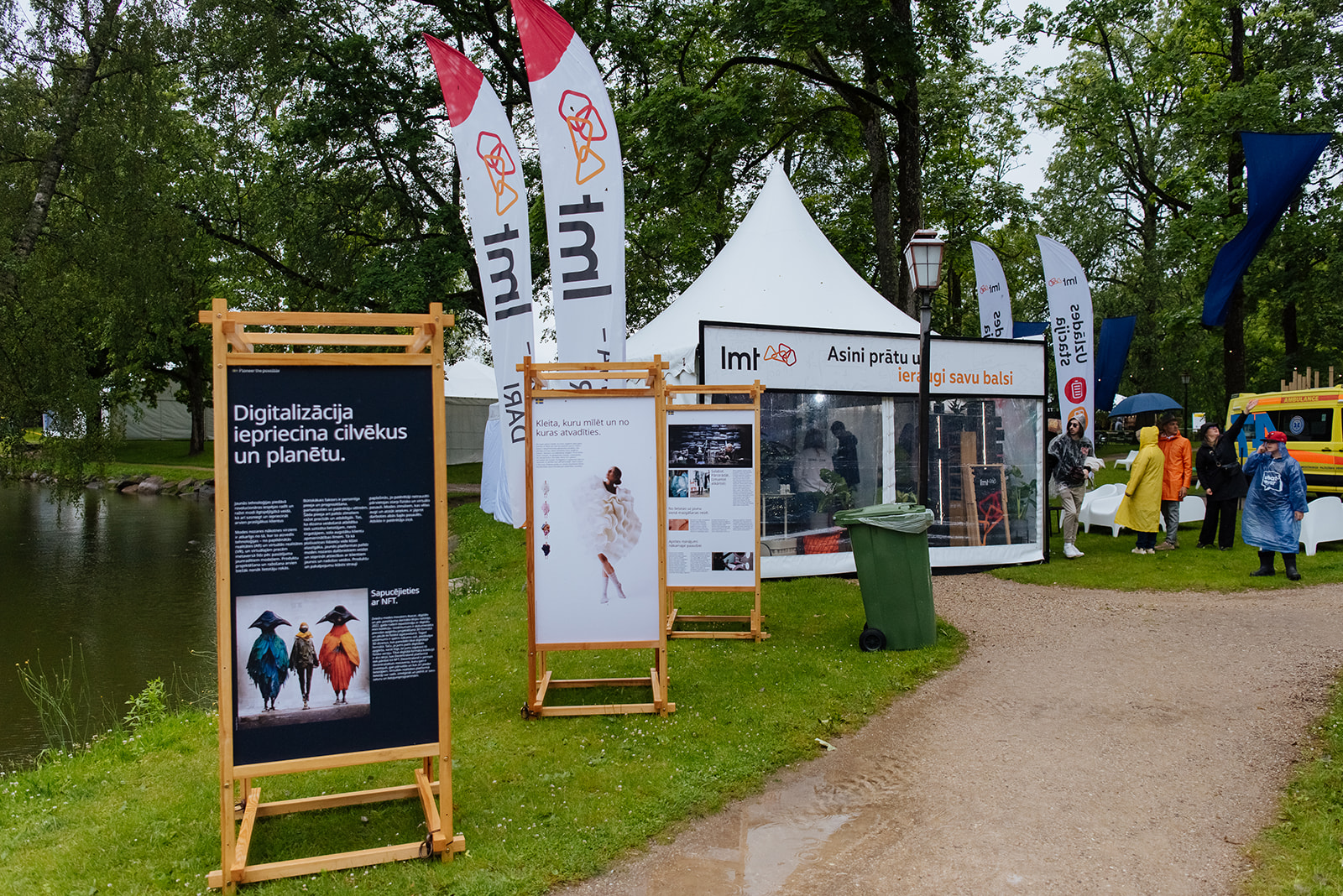
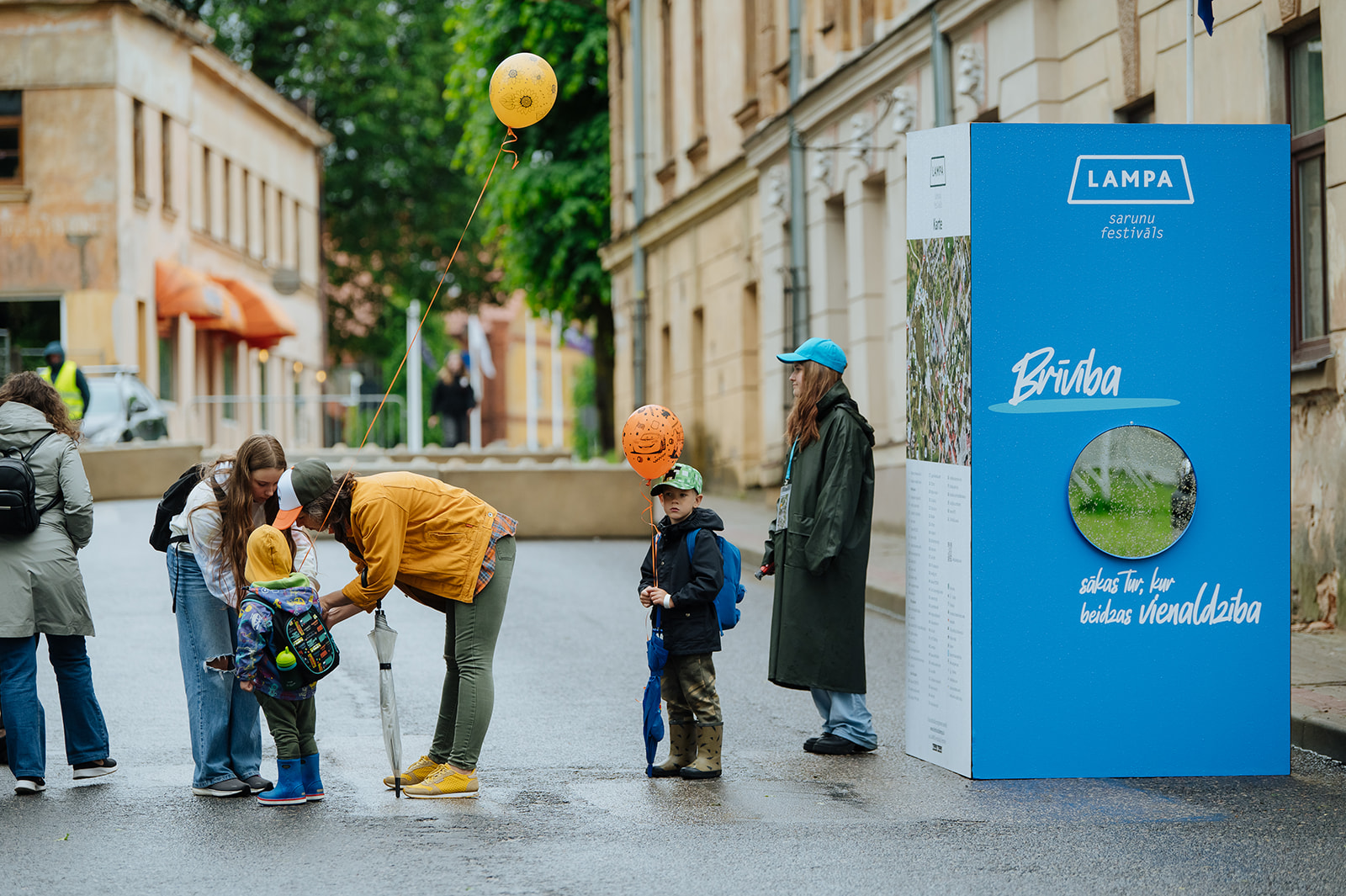
The average festival guest is 25–30 years old, with the youngest being under 1 and the oldest—over 90.
If you’re a spontaneous spirit, you can simply grab a snack or a cold drink and wander around to see what piques your interest.
But if you’re a regular, you probably have a more strategic approach. You’ve looked at the program, picked your favorite events, and created a personalized schedule.
Planning ahead might also be a good approach if you don’t speak Latvian. That way, you can select the events held in English, or Ukrainian.
“Many of our problems wouldn’t exist if we could do what we do in LAMPA—just talk, with a few simple rules of a good conversation.”
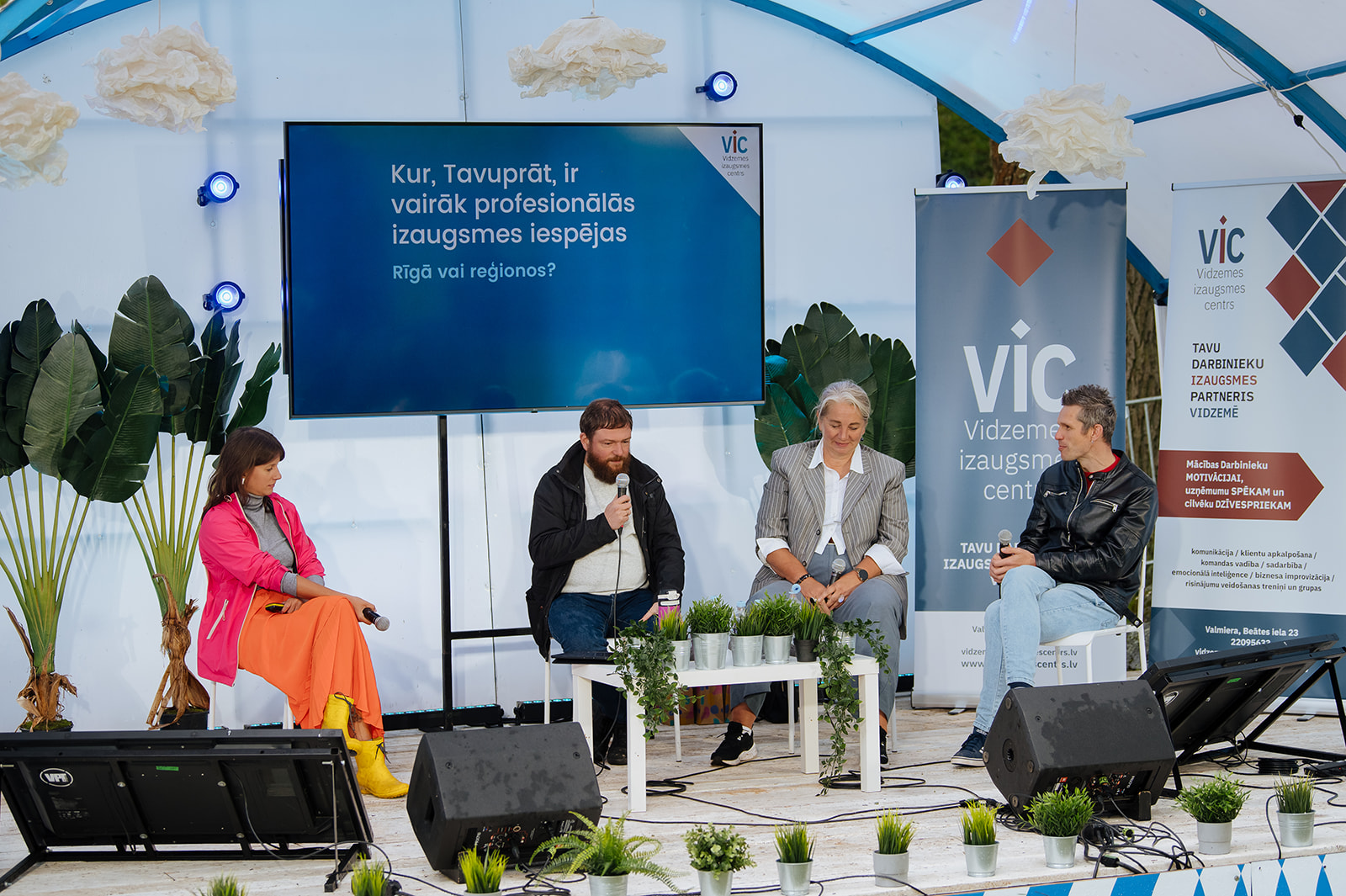
The events on the large stages will also have subtitles available. You can scan the QR code near the stage, pick your preferred language, and follow the discussion. This will work at DOTS, Spuldze, Uzzibsnī, Apgaismo, Izglītības skatuve, Dzirkstele, Reģionu skatuve, Swedbank Uzņēmējdarbības skatuve, Eiropa ir te!, and Sarunu vieta stages.
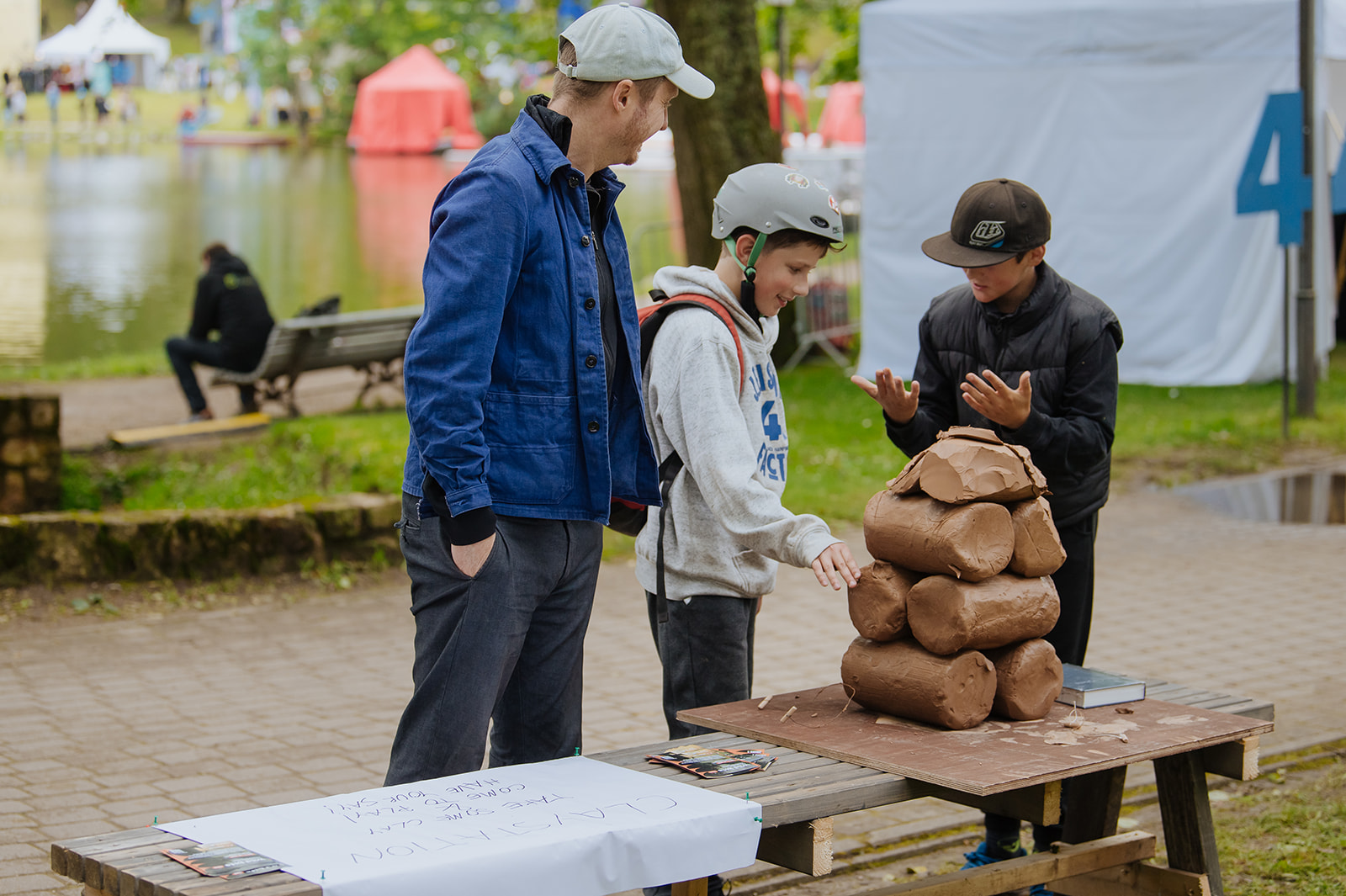
Language is no barrier to many festival experiences, including MiniLAMPA for children, health and wellbeing activities, career advice, and emotional wellbeing workshops.
“I sometimes think of LAMPA as a gym,” Dace concludes. “The first time you go, it might seem like everyone is looking at you. In reality, people are there to do their own thing. It’s a space that is open to everyone, whether they speak Latvian or not.”
The same openness goes for everything else. You can be a listener, an active participant, or someone who came to respectfully disagree. There’s a space for everyone.

Want to find out more events especially beloved in Latvia? You should look into Latvian Song and Dance Festival.
Or, perhaps, if you want to make a Latvian very happy, check out this Native’s Guide to Latvian Language and learn a couple of basic phrases. You’ll fit right in!