Latvian Historical Regions

14.11.2025

Comment (0)

© Kristaps Ungurs

Latvia has five historical regions – Vidzeme, Latgale, Kurzeme, Zemgale, and Sēlija. Each has its story, shaped by centuries of different landscapes, traditions, and ways of life. Together, they reveal the remarkable variety within Latvian borders.

Vidzeme

Located in northern Latvia, Vidzeme is often called the cradle of Latvian culture and national identity. It boasts lively cities, rich history, and magnificent landscapes – the capital Riga, historical towns of Cēsis, Valmiera, and Sigulda, and the region’s rocky and sandy coastline.

© Archive of the Sigulda Municipality

© Kristaps Ungurs

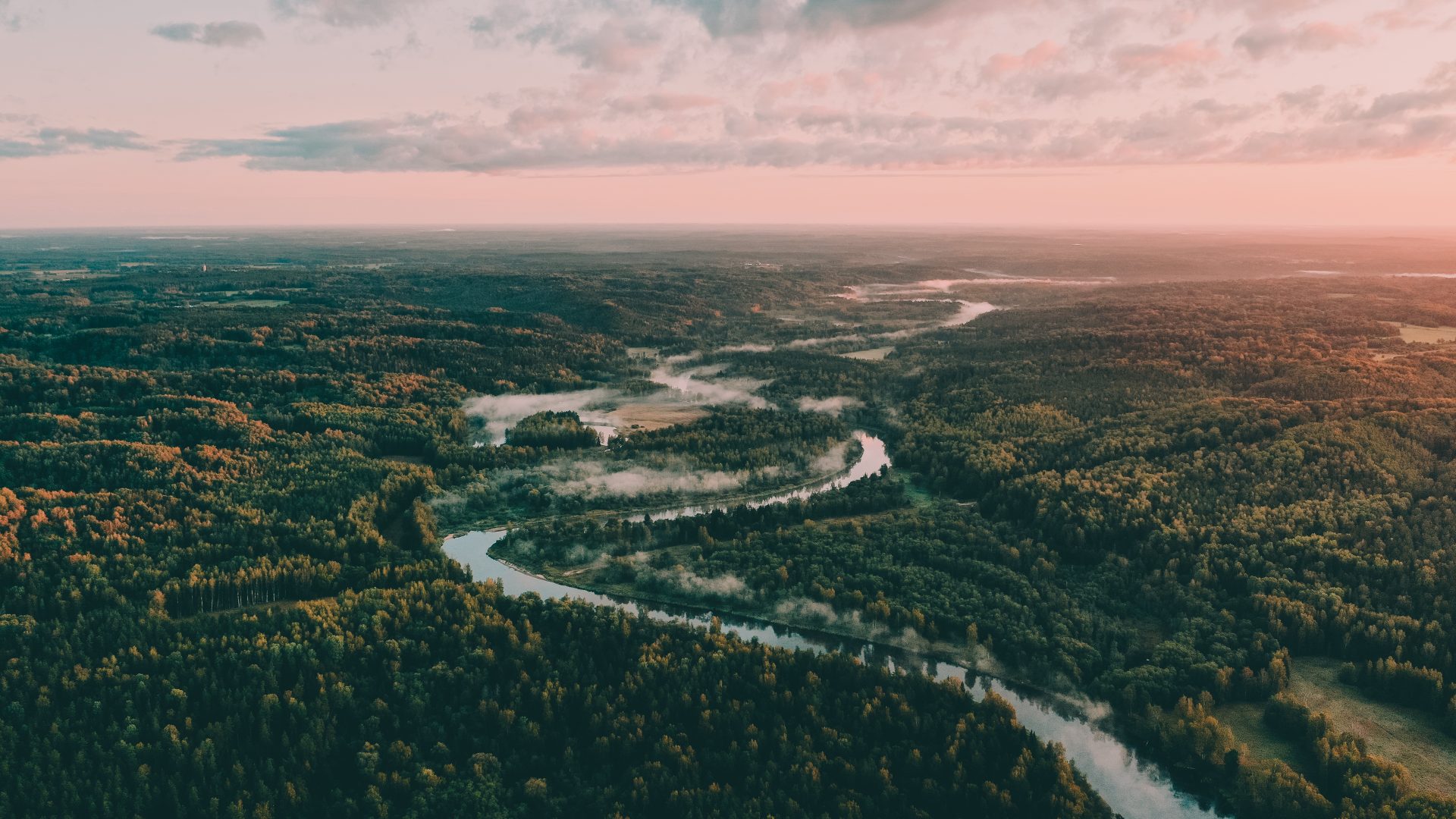
As researcher Ieva Vītola told LSM, “Vidzeme is like a miniature Latvia”. Here stand the country’s highest hill Gaiziņš, the longest river Gauja, along Latvia’s largest national park, and the largest cavern Gūtmaņala.

Cēsis is also the birthplace of Latvia’s flag. The first Song days in Dikļi gave rise to the Latvian Song and Dance Festival, and many prominent 19th-century writers and composers of the National Awakening came from nearby Piebalga.

Latgale

Latgale, in eastern Latvia, is known as the Land of Blue Lakes. It has around 1,200 of them, nearly half in the country. These include Drīdzis, the deepest lake in the Baltics, the mysterious Velnezers, and Viļaka Lake with its island and ancient castle ruins.

© Vitalijs Tararaka

But the soul of Latgale lies in its people – warm, expressive, and famously hospitable. Descendants of the ancient Latgalian tribe, they speak the Latgalian dialect and cherish lively celebrations.

Aglona stands out for its majestic Basilica, the centre of Latvian Catholicism, and for its beloved Bread Museum. Latvia’s second-largest city, Daugavpils, features the 19th-century Daugavpils Fortress and the Mark Rothko Art Centre dedicated to the artist born here. When in Latgale, try greeting locals with a heartfelt “Vasals!” – they’ll appreciate it!

Kurzeme

Stretching along Latvia’s western coast, Kurzeme is defined by its deep connection to the sea. Here you’ll find Jūrkalne Seashore Bluffs – among the highest and most dramatic in Latvia – as well as dense forests and high dunes. Fishing villages offer irresistibly fresh, traditionally prepared catch, while Jūrtaka coastal trail winds past quiet beaches where you can walk for miles in solitude.

© Edgars Pohevičs

© Māris Kūrēns

Kurzeme is also home to Europe’s widest waterfall, the Venta Rapid in Kuldīga, and notable cities like Ventspils and Liepāja. The region boasts elegant estates ranging from Šlokenbeka Manor and the Ventspils Livonian Order Castle to Latvia’s youngest, Jaunmoku Castle.

Locals say Kurzeme people tend toward sharper wit and wariness with strangers – a character forged by generations of isolated farmsteads and the wild winds of the open coast.

Zemgale

Lying in southern Latvia, Zemgale is the country’s flattest and most fertile region. Often called Latvia’s breadbasket, it’s shaped by agriculture and a spirit of self-sufficiency.

© Ingvilda Zeibote

© Kaspars Stirna

Yet Zemgale offers much more than farmland, with grand estates, imaginative attractions, and layered history. Its crown jewel, Rundāle Palace, is an 18th-century Baroque masterpiece. In Tērvete National Park, wood-carved fairy-tale characters stand among 250-year-old, tall pines. Likteņdārzs (Garden of Destiny), a living symbol of Latvia’s renewal, overlooks the Daugava River and Koknese Church.

Zemgale also holds a special place in Latvian identity: scholars believe the Latvian language grew from early dialects of the Semigallian tribe, the Zemgaļi, who inhabited these lands.

Sēlija

Sēlija, also known as Selonia or Highland (Augšzeme), is a southeastern region with borders set in 2021.

© Sēlijas salas

© Sēlijas salas

The towns of Sēlija still preserve wooden facades and cobblestone streets. The region has twelve ancient castle hills, including the mythical Blue Hill (Zilaiskalns). You’ll also find numerous churches and the former homes of writers Jaunsudrabiņš and Rainis. The Daugava River carves nine graceful arches through the landscape, creating an unforgettable two-day boat route from Krāslava to Daugavpils.

The Sēļi, or Selonians, are known as quiet and self-sufficient people – practical, observant, and deeply connected to nature.

So, which of these Latvian historical lands would you like to visit first?

Comments (0)