Anete Švilpe, one of Latvia’s leading trail runners and coaches, explains this phenomenon: “Trail running allows you to explore new places. This is not the case with road races, where the routes are usually the same year after year. People are also drawn to the greater challenge — completing distances of varying difficulty gives a deep sense of satisfaction for what has been accomplished.”
Trail running indeed seems to reflect qualities deeply woven into the Latvian character – resilience, humility, and love and respect for nature. Perhaps that’s why this sport feels so natural here: it speaks the same language as the land and the people who have always drawn strength from it.
Stirnu buks: The driving force of Latvian trail running
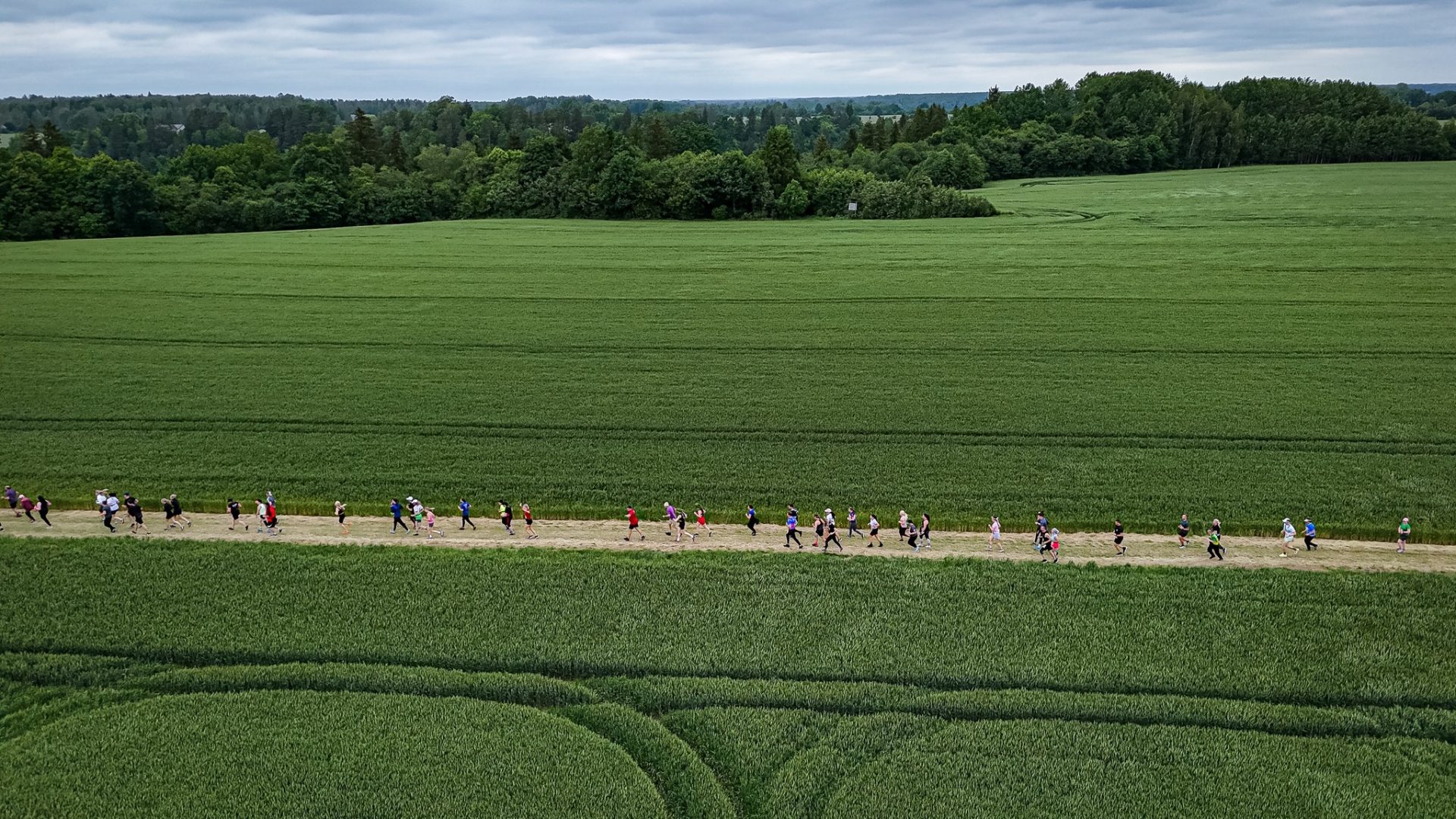
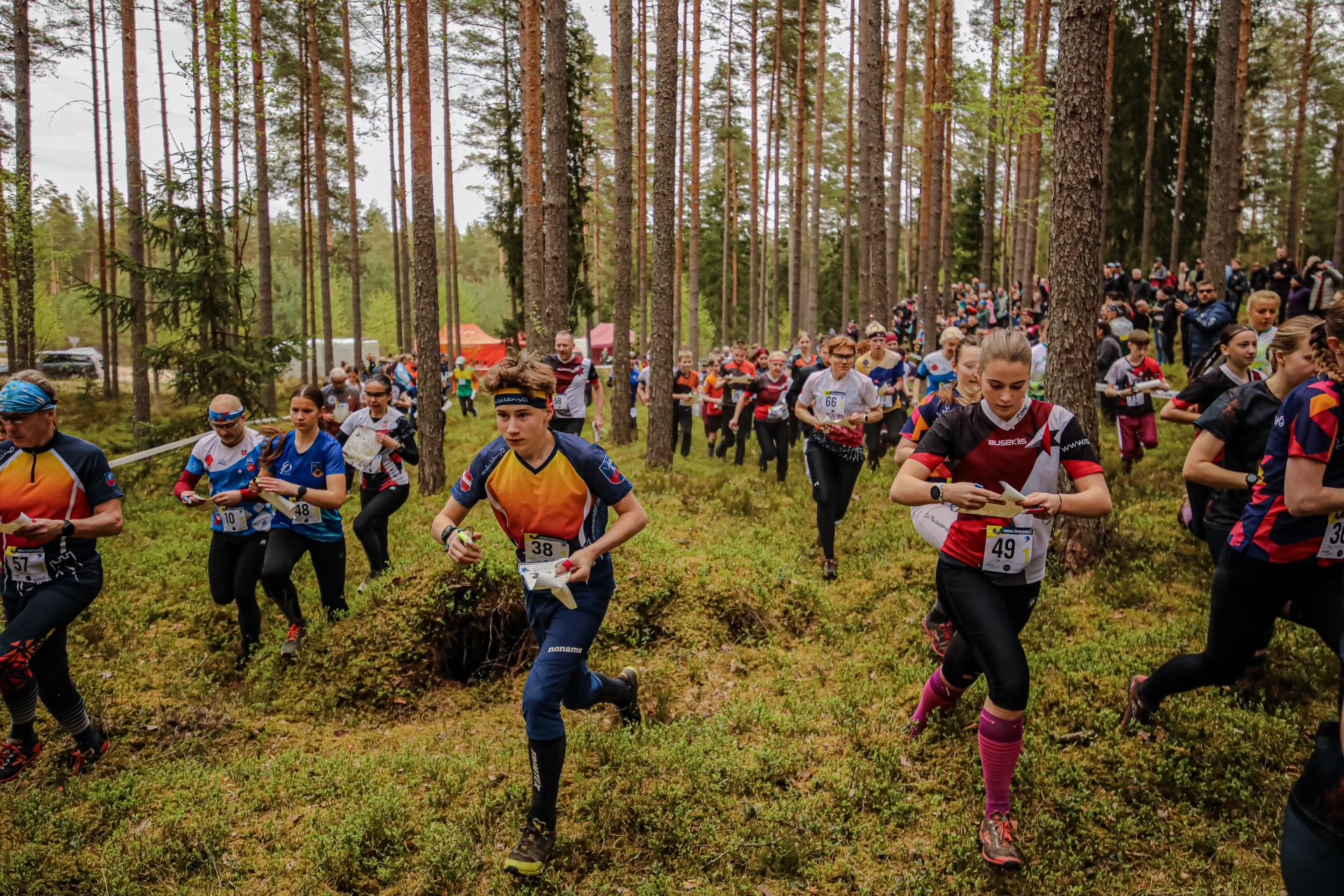
Talk to any Latvian about trail running, and it’s impossible not to mention “Stirnu buks” (“Roe Buck”). What began as a single event near Tukums in 2014 has, over the past decade, grown into the country’s largest trail running series. During the 2025 season, it brought together almost nine thousand runners across six races in different regions of Latvia, on average — roughly seven times more unique participants than in its inaugural event.
The secret to Stirnu buks’ success lies in its concept. The vast majority of participants aren’t elite athletes, many are beginners, which makes it an open and welcoming field. Runners can test their strength and speed in the “Kalnu karalis” segment — a timed uphill stretch that awards points based on performance. The series also welcomes schools and families, with dedicated races for pupils and children. In recent years, the organisers have even introduced hiking, opening the trails to an entirely new group of participants. For many, it’s less about competition and more about spending weekends outdoors.