Traditional Latvian Foods Protected by Law

24.10.2025

Comment (0)

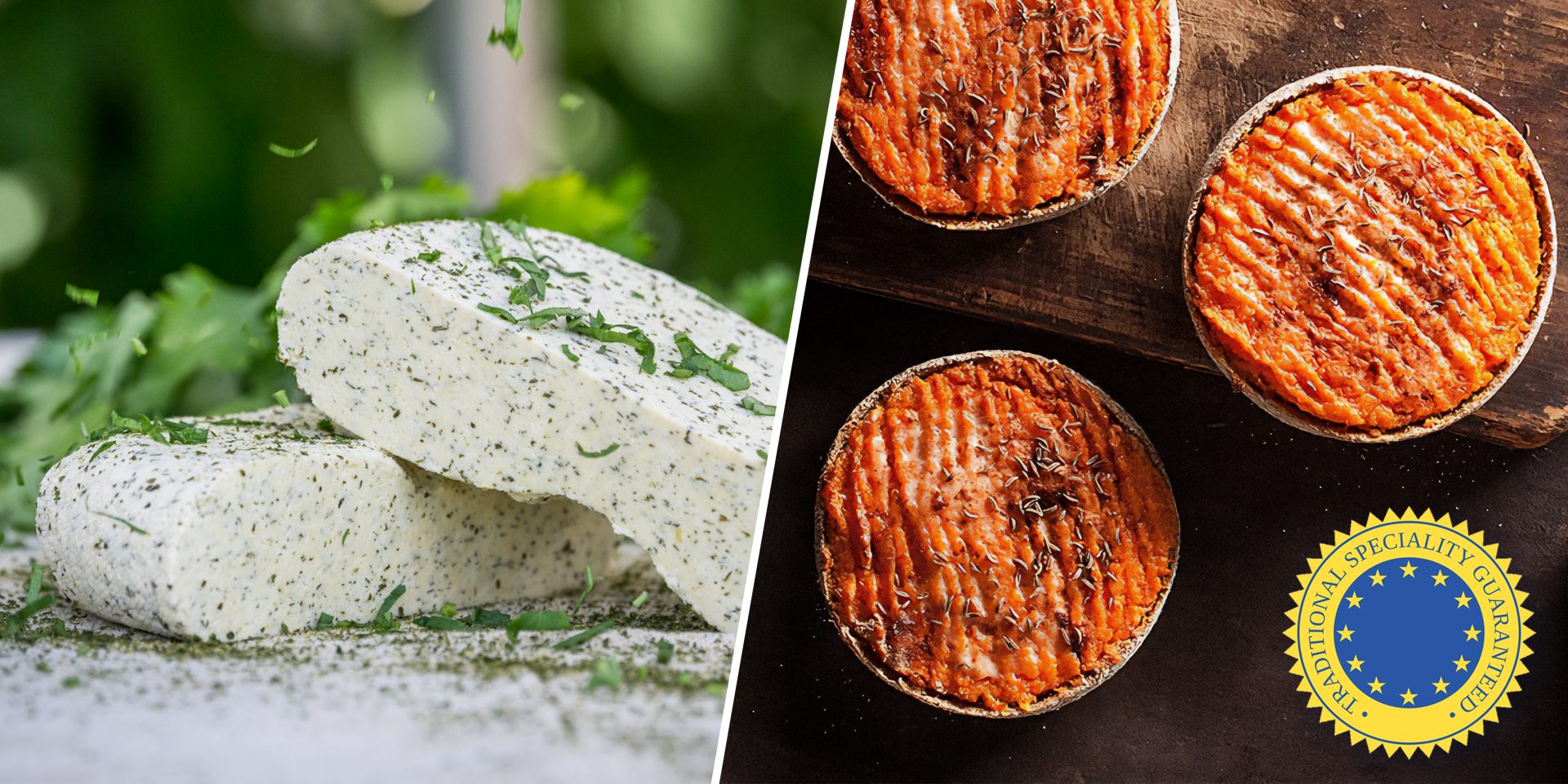
© Lapsu mājas siers / Cannelle Bakery

Some Latvian traditional foods are so distinctive they are officially protected by the European Commission. They have unique histories, origins and recipes passed down through generations. Let’s explore what makes these Latvian dishes so special!

Latvian Food with the Traditional Speciality Guaranteed Label

The Traditional Speciality Guaranteed (TSG) label marks foods made with traditional recipes and methods. It protects their name so only truly authentic versions can use it.

One such Latvian food item is sklandrausis – a sweet rye-crust pie filled with layers of potato and carrot and sprinkled with caraway seeds. “A single product can be made by different producers, as long as they follow the registered recipe. That’s why the list of TSG products includes not only the traditional sklandrausis from Latvia’s Kurzeme coast but also a version made by the Vidzeme-based company “Ugly Cake”, which strictly follows the official recipe, helping this dish gain popularity beyond its home region,” explains Ilze Rūtenberga-Bērziņa from the Latvian Rural Advisory and Training Centre.


© Lapsu mājas siers

© Cannelle Bakery

Another Latvian product protected by the TSG label is Jāņu siers – traditional Latvian cheese enjoyed as the main festive treat of the Midsummer celebration and beyond. It is a fresh sour milk cheese made from milk, curd, and caraway seeds, adding butter or cream, eggs and salt.

When it comes to rye bread, the TSG label protects salināta rudzu rupjmaize, or sweet-scalded rye bread. Coarse rye flour is partially scalded before kneading, caraway seeds and sugar are added, and the dough is left to rest in wooden tubs – a method that gives this dark, aromatic bread its taste and texture.

Traditional Latvian Foods with Geographical Indication Status

The Protected Geographical Indication (PGI) label is for foods whose taste and story belong to a specific place. It protects both the name and the way they’re made, keeping local flavour alive.

Along Latvia’s northern coast, lampreys – an ancient, eel-like fish – have been caught, smoked, and marinated for centuries. Both Carnikava and Salacgrīva lampreys have earned the PGI label, each reflecting its own river and fishing traditions.

© Sandra Baltruka

© Ādaži Municipality Archive

Carnikava lampreys are caught in the Gauja River between August and February. The catch is prized for its rich flavour, especially when grilled, and for the sustainable fishing methods passed down through generations.

Salacgrīva lampreys, meanwhile, carry the faint taste of the sea thanks to the Salaca River’s closeness to the coast. Their slightly smoky, briny flavour and unique fishing method have been part of local life since the 18th century.

Rucava white butter tells a different story of craftsmanship. This hand-churned butter keeps whey in the mix, giving it mild sweetness and creamy lightness. The recipe, known since the early 20th century, is still made in homes and featured in traditional food programs where visitors can taste it on warm rye bread or new potatoes.

Finally, the Aglonas maizes veistūklis – a hearty loaf of rye bread filled with dried pork fat and onions. Its traditional recipe reaches back to the 19th century Latgale and has been handed down by generations as a special treat.

© Vegan.lv

© Bakery "Lielezers"

Traditional Latvian Foods with Protected Designation of Origin

Some Latvian foods owe their flavour not just to tradition, but to the very soil and climate they come from. The Protected Designation of Origin (PDO) label marks products made entirely in one place, from field to finished product.

Such are the Latvian large grey peas – a soft, nutty variety grown only in Latvia. Cultivated since the 18th century and carefully selected in Priekuļi since 1925, they are a beloved traditional dish, often cooked with bacon and onions for Christmas.

“Manufacturers proudly use these labels, helping consumers recognise that such products are high-quality, special and safe across the EU,” notes Rūtenberga-Bērziņa.

Comments (0)